
Can You Sell a House With Mold in Florida?
Last updated: June 2026

Max Cohen
Founder · FL Home Buyers
Quick Answer
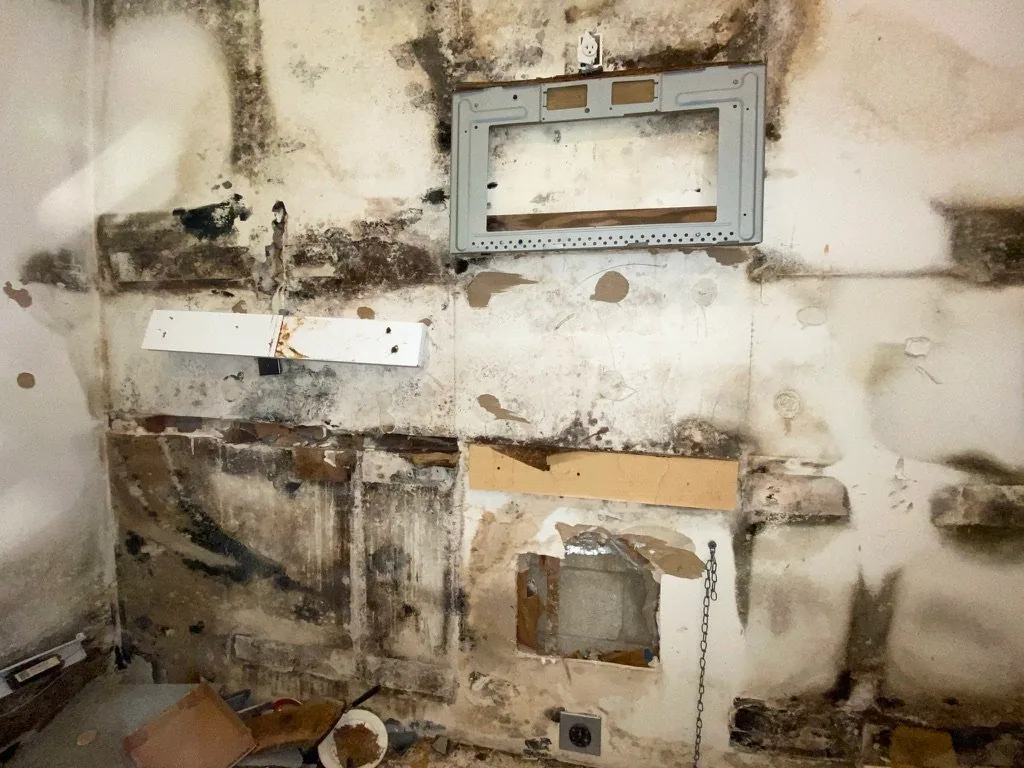
Yes, you can sell a house with mold in Florida. Known mold should be disclosed in writing, and the buyer should understand the source, scope, and repair risk. A cash buyer may still buy as-is, but the written offer should explain the mold, repair, access, title, and seller-cost assumptions.
Florida humidity can contribute to mold, but the source is usually more specific: a roof leak, plumbing leak, air-conditioning problem, flood, or trapped moisture. The Florida Department of Health says moisture control is the key. Before choosing a sale path, identify the water source and the materials affected.
What should a Florida seller disclose?
Known mold, water intrusion, and hidden damage can be material to a buyer. Put what you know in writing, keep reports and repair records, and ask the closing agent or a Florida real estate attorney what belongs in your contract and disclosure documents.
An as-is contract may limit a seller's repair obligation, but it does not make a known defect irrelevant. Painting over a stain or covering damaged drywall can make the situation harder if the buyer later finds the underlying moisture problem.
This page explains practical sale choices, not legal advice. Disclosure duties depend on the facts, the contract, and what the seller actually knows.
Start with the moisture source, not the mold name
The Florida Department of Health does not recommend routine sampling just to determine whether mold is present or what type it is. Visible growth or a persistent mold odor already tells you there is a moisture problem to investigate. Testing can still be useful when a qualified professional, buyer, insurer, lender, or contract calls for it.
- Roof or exterior leak: stop the water entry and inspect sheathing, insulation, ceilings, and wall cavities.
- Plumbing or appliance leak: verify the leak is repaired and check porous materials that stayed wet.
- HVAC or humidity issue: inspect the air handler, drain line, ducts, and indoor humidity before cleaning surfaces.
- Flood or contaminated water: use a professional who understands the additional cleanup and health risks.
If anyone in the home has health concerns, consult a medical professional. A property buyer or general contractor should not diagnose health effects.
Why mold can complicate a financed sale
Mold does not automatically make every mortgage or insurance policy impossible. The result depends on the visible condition, appraisal, inspection, insurance carrier, loan program, repair scope, and underwriting decision. A buyer may be asked for more information, repairs, or professional documentation before closing.
That uncertainty can delay a normal sale. If you plan to list, ask the agent how the property will be marketed, what condition issues should be addressed before showings, and what will happen if the buyer's lender or insurer adds a repair condition.
What should you price before deciding?
There is no dependable statewide flat price for mold work. A useful estimate separates the job into parts:
- Stopping the roof, plumbing, drainage, or HVAC moisture source.
- Assessment and remediation when the scope requires licensed mold services.
- Removing damaged drywall, insulation, cabinets, flooring, or other porous materials.
- Rebuilding and finishing the opened areas after remediation.
- Any post-remediation documentation required by the contract, lender, or insurer.
Florida licenses mold assessors and mold remediators. State law also restricts the same assessor or assessment company from performing remediation on that structure within 12 months. Check the provider's license and get the scope in writing before comparing bids.
Your three practical sale paths
- Repair, document, and list. This may produce the highest price when the repair cost and delay are manageable.
- List as-is with clear disclosure. This exposes the property to the market, but buyers may discount the condition or ask for inspections and contract protections.
- Sell directly for cash. This can avoid a buyer-financing contingency and shift agreed repair work to the buyer, but the offer should be compared with your realistic net after repairs, commissions, carrying costs, and closing terms.
A cash sale is not automatically the best choice. If you have time, funds, and a reliable repair scope, fixing the moisture problem and listing may leave you with more money. If the condition is uncertain, ask for both an as-is market opinion and a written cash offer before deciding.
How FL Home Buyers evaluates a mold-affected house
We look at the visible damage, likely moisture source, access, repair scope, title, payoff, occupancy, and seller timeline. Max Cohen is the founder of FL Home Buyers, so the repair discussion includes the demolition and rebuild work that comes after affected material is removed.
A written offer should state the price, seller costs, inspection or access terms, closing timeline, and which party accepts the repair responsibility. It should not depend on a verbal promise that every condition issue is included.