
We Buy Houses in Miami-Dade County
2,904,000 residents. $660,000 median home price. 1 in 1,250 foreclosure rate. If you need to compare options quickly, we can review the property and give you a written as-is offer with closing timing tied to title, payoff, access, and seller documents.
Closing: agreed date after title review • Seller costs: stated in writing • As-is: repair scope stated in offer
Miami-Dade County Market Snapshot
Data compiled by FL Home Buyers from public county records and MLS reporting
Why Selling in Miami-Dade County Is Harder Than You Think
Miami-Dade County currently has the highest number of active foreclosure filings in Florida: over 9,000 properties. That's more than some entire states.
Highest foreclosure volume in Florida: 9,000+ active filings
Insurance premiums averaging $4,500/year for single-family homes
Flood insurance mandatory in most zones
Sea-level rise concerns depressing coastal property values
Property tax increases outpacing income growth
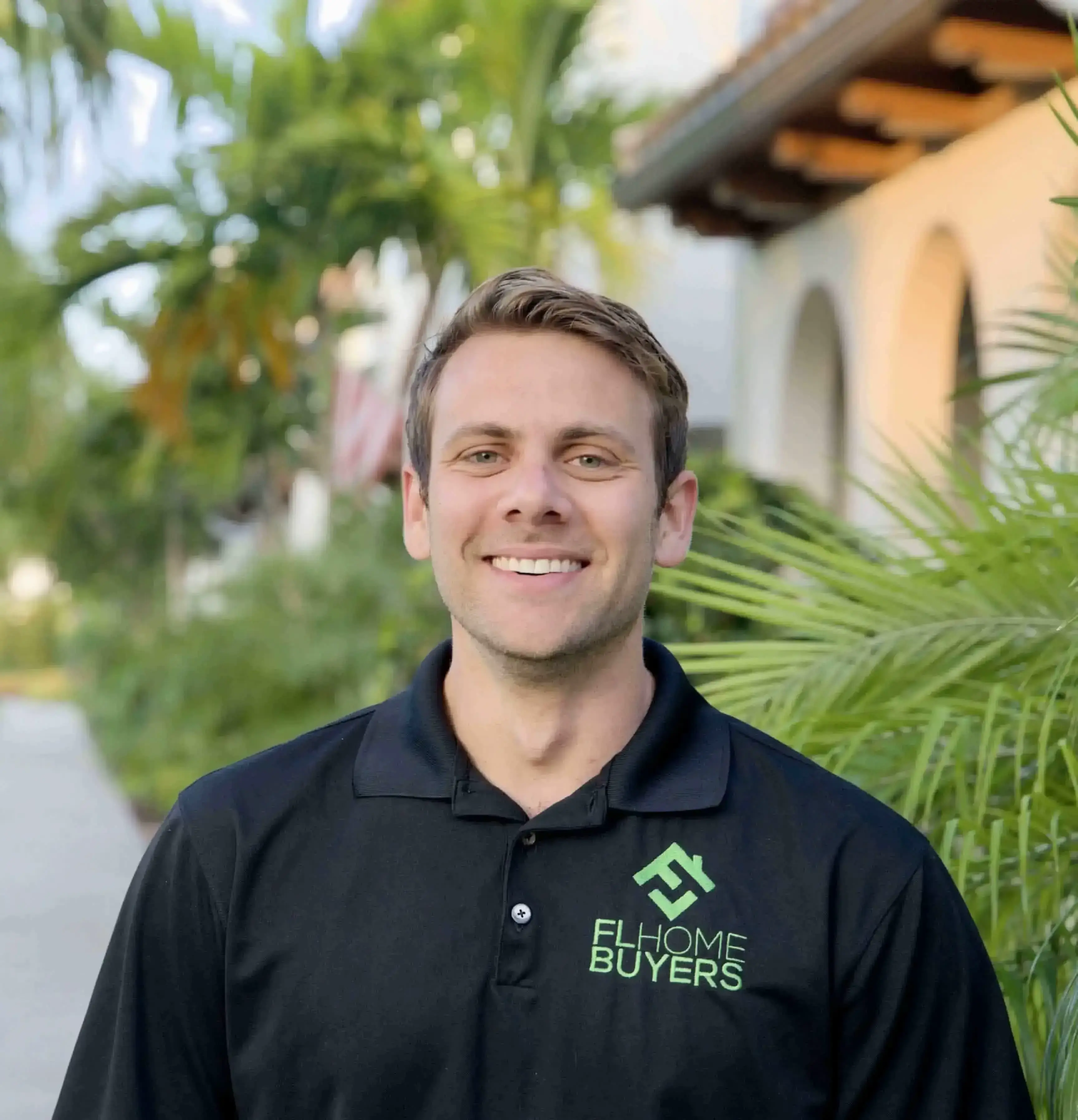
I'm Max Cohen. I Buy Houses in Miami-Dade County.
I am a Florida Licensed General Contractor (License #CGC1534000), and I personally review Florida properties. When I review a Miami-Dade County property, I price the visible repairs, title issues, insurance problems, and holding costs before making an offer.
We review county records, property condition, code issues, and insurance concerns before we put a number in writing. That gives you a clear cash offer without a repair list or a lender approval process.
If you have a problem property in Miami-Dade County, we can review it and tell you whether a cash sale makes sense.
BBB A Rated • Licensed General Contractor • Documented Florida purchases across Florida
Selling to Us vs. Listing with an Agent in Miami-Dade County
| Factor | Sell to Max (Us) | List with Agent |
|---|---|---|
| Agent Commission | $0 | Usually negotiated in the listing agreement |
| Closing Costs | Stated in our written offer | Varies by contract, title, and loan payoff |
| Repairs Required | Repair scope stated in offer | Buyer, lender, or insurance may require repairs |
| Timeline | Agreed date when title is clear | Depends on market, buyer approval, and inspections |
| Showings / Open Houses | Zero | Showings, inspections, and buyer visits |
How We Buy Your Miami-Dade County House
Tell Us What's Going On
Fill out the form below or call (561) 258-9405. Tell us the address, current condition, payoff concerns, and what is making the sale difficult.
We Do a Walkthrough
We meet you at the property or review it virtually. As a licensed contractor, I look at the visible condition, repair scope, title/payoff issues, and anything that could affect a retail buyer.
You Get a Written Offer
We put the offer and seller costs in writing, then walk through the assumptions: comparable sales, repairs, payoffs, liens, closing costs, and closing date.
Close on Your Timeline
If you accept, we close through a local title company on the date agreed in the contract. Seller costs are stated in writing before you decide, and the title company confirms the final net.
Cities We Buy Houses In Across Miami-Dade County
Click any city to see our local page with neighborhood details
Zip Codes We Cover in Miami-Dade County
Real Miami-Dade Problems We Solve Every Day
These are issues that can affect price, financing, insurance, title, or closing timing in Miami-Dade:
Skyrocketing Insurance Premiums
Miami-Dade homeowners are paying an average of $4,500/year for property insurance, nearly triple the national average. Carriers are pulling out of South Florida entirely, leaving sellers scrambling to find coverage buyers can actually qualify for.
Condo Association Special Assessments
After the Surfside collapse, Florida changed inspection and reserve requirements for many older condo buildings. Some owners are facing large special assessments they never budgeted for, which can limit the buyer pool and change the net proceeds from a traditional sale.
Flood Zone Complications
Over 60% of Miami-Dade sits in a FEMA flood zone. New Risk Rating 2.0 has doubled or tripled flood insurance premiums for many homeowners. Properties without elevation certificates face the steepest costs.
Sea-Level Rise Devaluation
Properties in low-lying areas like Little Haiti, Sweetwater, and parts of Homestead are seeing values stagnate while higher-ground areas appreciate. Buyers with conventional financing are increasingly cautious about long-term flood risk.
Code Enforcement Backlogs
Miami-Dade's code enforcement has over 15,000 open cases. Unpermitted additions, expired roofs, and illegal conversions from the 2000s housing boom are surfacing during inspections, killing deals at the last minute.
Property Tax Shock
Non-homesteaded properties in Miami-Dade face effective rates of 2.1%, meaning a $500K property costs $10,500/year in taxes alone. Inherited properties lose their homestead exemption, creating sudden $5,000+ annual increases.
Miami-Dade's Housing Market: What It Means for Sellers in 2026
Miami-Dade's 2026 market is uneven. Some luxury condo segments have more inventory than they did during the boom, while lower-priced single-family homes can still draw attention when they are clean, insurable, and priced well. The hard cases are usually older condos, inherited homes, houses with insurance problems, properties with open permits, and homes where the seller needs a clear closing date. If a financed buyer needs insurance approval, association approval, repairs, or extra inspection time, a direct cash offer can be worth comparing against the likely listing price, commissions, credits, and holding costs.
Foreclosure & Legal Overview in Miami-Dade County
Florida is a judicial foreclosure state, meaning every foreclosure must go through the courts. In Miami-Dade, the 11th Judicial Circuit handles one of the largest foreclosure caseloads in the nation, over 9,000 active filings as of early 2026. The typical timeline from missed payment to final judgment is 12–18 months, but cases involving title disputes or bankruptcy filings can stretch to 3+ years. If you've received a lis pendens (the formal notice that a foreclosure lawsuit has been filed), you still have options. Florida law allows you to sell the property right up until the certificate of sale is filed. A cash sale may help if there is enough time before sale, but payoff, title, court status, lender response, and legal advice control the real options.
Foreclosure timing needs a payoff and title review
If a court deadline or sale date is coming up, gather the latest mortgage statement, court notices, tax balance, HOA balance, and lien letters. A title company can confirm whether a sale can close in time.
The Real Cost of Repairs vs. Selling As-Is in Miami-Dade
In Miami-Dade, the average roof replacement runs $15,000–$25,000 for a standard single-family home, and that's if you can find a roofer with availability. Post-hurricane demand has created 6–12 month backlogs for major contractors. A kitchen renovation averages $35,000–$55,000. Impact windows (now required for insurance discounts) cost $800–$1,200 per opening. Permits in unincorporated Miami-Dade take 4–8 weeks for basic work and 3–6 months for structural modifications. For many homeowners, the math is simple: spending $50K+ on repairs to list a property that might sell for $30K more than our cash offer doesn't pencil out, especially when you factor in negotiated commission terms, 71 days of carrying costs, and the risk of buyer financing falling through.
Common Sale Problems in Miami-Dade
Seller scenario
Skyrocketing Insurance Premiums
Miami-Dade homeowners are paying an average of $4,500/year for property insurance, nearly triple the national average. Carriers are pulling out of South Florida entirely, leaving sellers scrambling to find coverage buyers can actually qualify for.
Seller scenario
Condo Association Special Assessments
After the Surfside collapse, SB 4-D changed structural-inspection and reserve requirements for many older condo buildings. Some owners now need to understand pending assessments, association budgets, insurance, estoppel details, and whether a financed buyer can close.
Seller scenario
Flood Zone Complications
Over 60% of Miami-Dade sits in a FEMA flood zone. New Risk Rating 2.0 has doubled or tripled flood insurance premiums for many homeowners. Properties without elevation certificates face the steepest costs.
Seller Situations in Miami-Dade
Start with the issue that matches your property. Each page explains what can delay closing, what documents matter, and when a direct sale may or may not make sense in Miami-Dade.
Helpful Resources for Miami-Dade Sellers
Every Miami-Dade Neighborhood, Covered
From the high-rises of Brickell to the single-family neighborhoods of Kendall, Cutler Bay, and Florida City, and everything in between, we buy houses across all 34 municipalities and unincorporated Miami-Dade.
Nearby counties we also serve: Broward County, Collier County, Monroe County
Cash Home Buyers in Miami
Miami proper is where many South Florida real estate problems show up at once: insurance, flood exposure, code enforcement, expired permits, unauthorized additions, and older cast iron drain lines. Older CBS homes in Little Havana, Liberty City, and Overtown may need sewer-scope review and repair pricing before a financed buyer can feel comfortable. We review those as-is conditions and put the repair, title, payoff, and seller-cost assumptions in writing.
The post-Surfside condo market has created its own category of distressed seller. Structural reserve studies, milestone inspections, reserve funding, litigation, insurance, and special assessments can all change buyer demand. Owners who cannot absorb a pending assessment should compare their payoff, association documents, assessment schedule, listing options, and a written cash offer before deciding.
We buy in every Miami neighborhood. In Coconut Grove (33133) and Coral Way (33155), we see 1950s ranch homes where the original terrazzo is cracked and the flat roofs have been patched three or four times. Kendall (33176) has a different set of issues: cookie-cutter CBS homes from the 1980s with aging shingle roofs and aluminum wiring that insurers won't cover. Down in Homestead, properties sit closer to the agricultural line and tend to have septic systems, well water, and larger lots that complicate inspections for financed buyers. Each neighborhood has its own cost profile, and because I'm a licensed GC, I can price repairs accurately instead of guessing and lowballing.
Miami also has a large population of international and out-of-state property owners. Selling a U.S. property as a foreign national triggers FIRPTA withholding, typically 15% of the gross sale price held by the IRS at closing. Absentee landlords dealing with non-paying tenants, deferred maintenance, and code liens from 2,000 miles away don't have the bandwidth to manage a 71-day listing process. We handle FIRPTA coordination with the title company, work directly with overseas sellers on scheduling, and close on timelines that make sense for people who aren't local. If you own a Miami property you can't manage from where you are, that's exactly the situation we're built for.
Hialeah and Miami Gardens
Hialeah is the densest city in Miami-Dade, packed with CBS block homes built between the 1950s and 1970s. Unpermitted additions are common here. Enclosed carports, converted garages, and added bedrooms without permits can create appraisal, insurance, and buyer-confidence problems during resale. Miami Gardens, just north, has one of the higher foreclosure rates in the county. Many of the homes there are investor-owned rentals from the post-2008 wave that have not been updated since. Between deferred maintenance, title issues from quitclaim transfers, and tenants who are not cooperating with showings, these properties can sit on the MLS for months. We review occupied and tenant-in-place properties, then write the occupancy, repair, title, and seller-cost assumptions into the offer.
Frequently Asked Questions About Selling in Miami-Dade County
As of late 2025, the median home sale price in Miami-Dade County is $660,000, representing a -2.0% change compared to the prior year. This data comes from county property appraiser records and MLS reporting. Your written offer should be based on the house's condition, repair scope, title and payoff issues, and nearby comparable sales rather than an automated estimate alone.
With clear title, payoff statements, and seller documents ready, a cash sale can move faster than a financed buyer. Most sellers in Miami-Dade County choose 14-30 days to get organized. Compare that to the average 71 days on market for MLS-listed homes in this county, and that's before you even start the 30-45 day closing process with a buyer's lender.
The foreclosure rate in Miami-Dade County is about 1 in 1,250 housing units. If you are behind on payments or have received a lis pendens, the useful first step is a current payoff, court-deadline review, and title check. A sale may help only if it can close before the relevant deadline and the payoff, taxes, liens, and documents line up. Learn more about selling during foreclosure →
I am the buyer. My name is Max Cohen. I'm a Licensed General Contractor (CGC1534000) and the founder of FL Home Buyers LLC. I buy houses with my own funds, renovate them myself, and either sell or rent them. We close at a standard Florida title company. I don't assign contracts to other investors. Learn how to spot "we buy houses" scams →
Those are the details we review before making a written offer. Max is a licensed contractor, so repair scope, cleanup, access, and leftover personal property are priced directly instead of hidden in a vague discount. Can I sell a house that needs repairs? →
Official Municipal Resources
Before selling your property, it is wise to verify ownership details and active tax statuses. You can check your official property records directly via the local municipal office:
Get Your Free Cash Offer
Tell us what is going on with the property. We review the details and put the offer terms in writing.
Written terms. Clear next steps. No spam.