
Can I Sell My House If It Needs Repairs?
Last updated: June 2026

Max Cohen
Founder · FL Home Buyers
Quick Answer
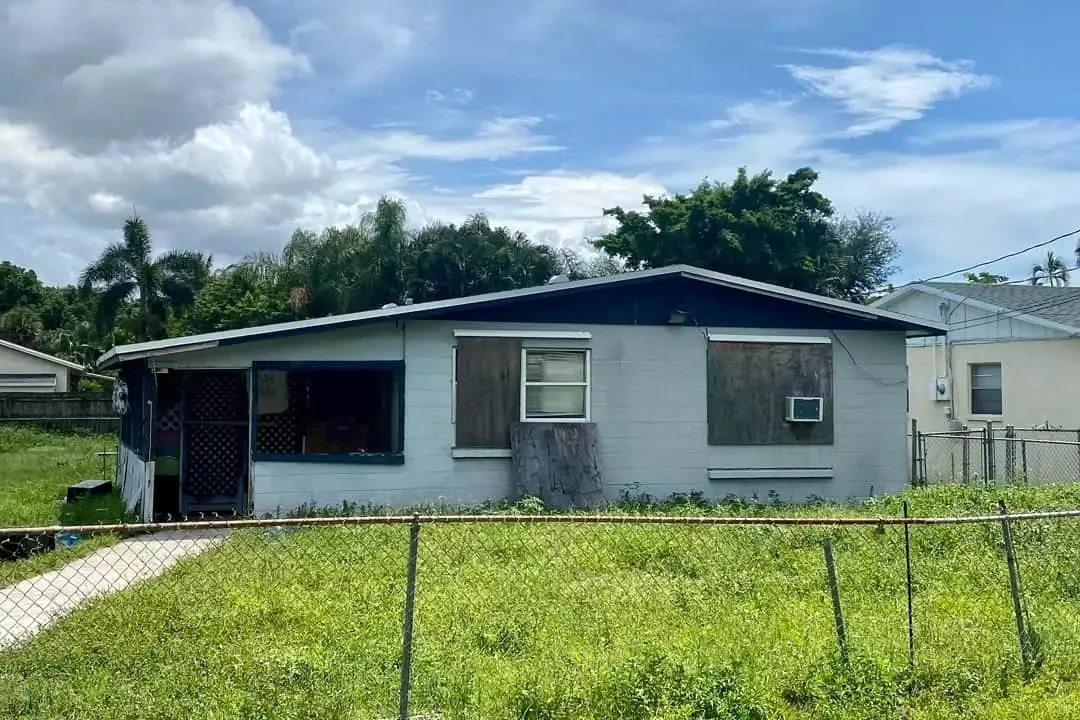
Yes, you can sell a house that needs repairs in Florida. You can fix it and list on the MLS, list as-is with an agent, or sell directly to a cash buyer. The right choice depends on repair scope, available cash, payoff, title, insurance, buyer financing, and how long you can hold the property.
What I've Seen on Repair Estimates
Max Cohen reviews available repair information before an offer is prepared. Roof age, AC condition, plumbing, electrical, mold, permits, flooring, and access all change the number.
That does not mean every as-is offer is the best choice. It means you should compare the written as-is number against the real cost, time, and risk of fixing the house before listing.
Three Ways to Sell a House That Needs Repairs
Every seller's situation is different, so there's no single right answer. But you have three realistic paths.
Option 1: Fix it and list on the MLS. This can produce the highest gross sale price if you have the money, contractor control, time, and confidence that the repaired home will appraise. The risk is that repair work runs over budget, takes longer than expected, or exposes more issues once walls, floors, or permits are opened up.
Option 2: List as-is with a real estate agent. This can work when the repairs are mostly cosmetic or when investor buyers are active in your area. Ask the agent for real as-is comps, expected days on market, likely inspection credits, commission, seller-paid concessions, and whether buyer financing is realistic.
Option 3: Sell to a cash buyer. This is usually worth comparing when the house has major repairs, title issues, tenants, inherited-property problems, water damage, mold, old roof concerns, or payoff pressure. The offer is lower than a repaired retail price, so compare net proceeds rather than headline price.
What Kinds of Repairs Scare Off Traditional Buyers
Cosmetic issues like dated kitchens, worn carpet, or old paint usually reduce offers. Structural, safety, insurance, and permit problems are different because they can affect buyer financing or make a retail buyer ask for large credits. The five biggest Florida repair issues to sort out early:
- Roof damage - roof age, leaks, missing permits, or insurance objections can affect buyer financing.
- HVAC failure - non-working air conditioning can affect habitability, buyer confidence, and appraisal comments.
- Plumbing problems - active leaks, cast iron lines, polybutylene, or slab leaks can create repair and insurance questions.
- Foundation cracks - settling, sinkholes, and slab issues may require engineering review or repair documentation.
- Mold - visible mold or unrepaired moisture issues usually trigger questions about source, cleanup, and documentation.
What Common Florida Repairs Can Change
| Repair | What to verify | Why it matters |
|---|---|---|
| Roof replacement | Age, leaks, permits, decking, insurance feedback | Can affect insurability and buyer financing |
| HVAC system | Age, working condition, duct damage, permits | Can affect appraisal comments and buyer credits |
| Plumbing (repipe) | Active leak, pipe type, slab access, water damage | Can expose flooring, drywall, mold, and permit issues |
| Foundation repair | Settlement, engineer report, sinkhole concern | Can narrow buyer pool and require documentation |
| Mold remediation | Moisture source, cleanup records, visible growth | Can affect buyer trust and lender/insurance comfort |
When several of these issues stack together, the question becomes net proceeds, not pride of ownership. Before you start repairs, compare the likely retail sale after repairs against repair cost, holding cost, commissions, concessions, payoff, and the risk that the buyer still asks for more after inspection.
Florida's As-Is Disclosure Rules
Selling as-is in Florida does not mean hiding problems. Florida seller-disclosure duties are often discussed through Johnson v. Davis, the Florida Supreme Court case dealing with known facts materially affecting property value that are not readily observable. If you know about a major repair issue, disclose it and let the buyer price it.
"As-is" describes the property's condition and the seller's repair obligation in the contract. It does not automatically remove disclosure duties. Known defects, the contract, buyer inspection rights, and Florida law still matter. Ask a Florida real-estate attorney or licensed agent what disclosures your sale requires.
Why Major Repairs Can Slow a Financed Buyer
FHA and VA loans have minimum property standards at the time of appraisal. Non-working systems, roof leaks, peeling paint on older homes, exposed wiring, or health and safety hazards can trigger lender-required repairs or additional review before closing.
Even conventional loans can hit snags. If the appraiser notes major deficiencies, the buyer's lender may require repairs or reduce the appraised value, which kills the deal when the buyer can't cover the gap.
A cash buyer does not need a buyer mortgage approval, but the property still has to be reviewed honestly. At FL Home Buyers, Max Cohen is the founder of FL Home Buyers, so he walks the property himself and prices the visible repair scope before we put terms in writing.
Before starting work, compare the likely repair-and-list net with a written as-is offer. Include repair estimates, carrying costs, commission, buyer credits, timing, and the risk that financing or insurance requirements change the deal. To compare an as-is option, request a written offer or call (561) 258-9405.