
Is It Better to Fix Up a House Before Selling?
Last updated: October 11, 2026

Max Cohen
Founder · FL Home Buyers
Quick Answer
Sometimes, but start with the house and your budget. A repair may prevent damage, resolve a specific closing obstacle, or improve presentation. Price those benefits separately. Compare the cash you must spend before closing with the likely proceeds from each sale option.
Start with what the repair solves
A new kitchen is not the same decision as stopping a roof leak. There is no Florida-wide renovation return that tells you what work will pay back on your house. Ask a local listing agent for recent comparable sales in similar condition, then for a supported price range after the specific work you are considering. A suggested list price is not a buyer commitment.
Damage or safety
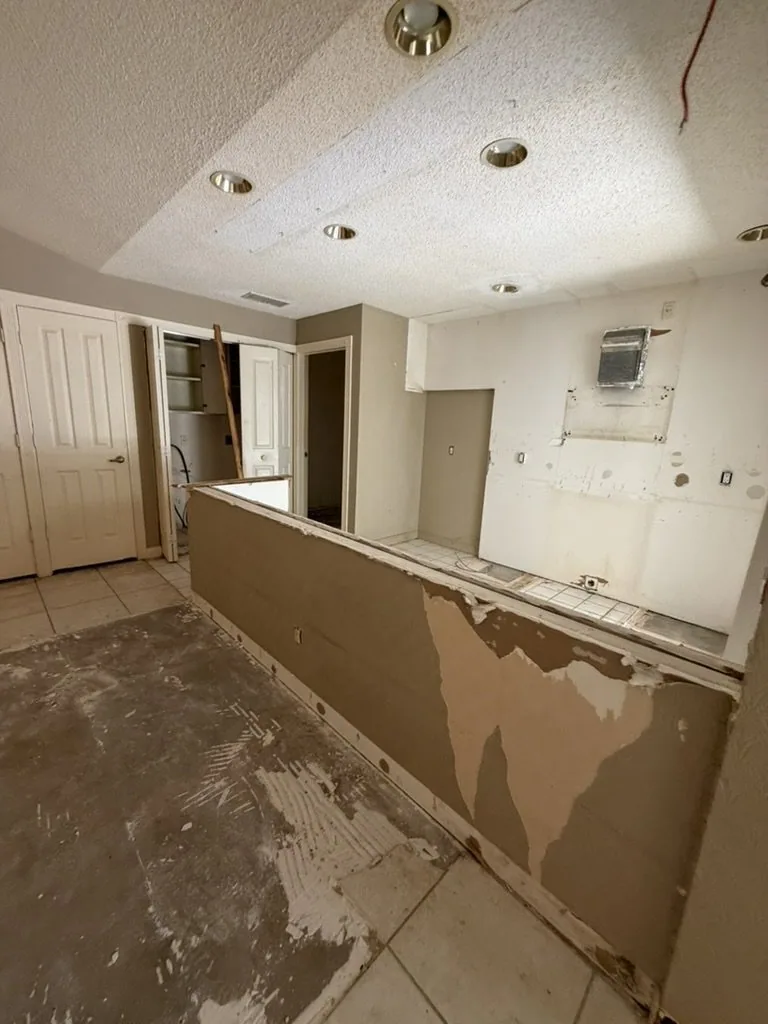
Get appropriate help for active water intrusion, unsafe wiring, or an unsecured property. Preventing further damage and arranging safe access are separate decisions from choosing finishes for resale.
A specific sale obstacle
Ask which lender, insurer, permit, or contract requirement the work must satisfy. Get the scope and acceptable completion evidence before assuming a replacement is necessary.
Presentation
Price cleaning, removal of unwanted items, paint touch-ups, and landscaping separately. Compare them with selling as the house stands. Low cost alone does not prove a project adds value.
Get a quote you can actually compare
A statewide price range cannot establish your repair budget. Give contractors the same written scope and ask what is excluded. Keep unpriced work marked unknown; do not quietly count it as zero.
- Work and materials: areas included, quantities, finish level, removal, disposal, and protection of the rest of the house.
- Hidden conditions: how rot, wiring, plumbing, or other discoveries will be priced, approved, and documented before extra work proceeds.
- Permits and completion: who handles applications, inspections, correction work, and any required final sign-off.
- Schedule and payment: access, material availability, start and finish assumptions, deposits, progress payments, and the written change-order process.
Ask for a schedule tied to the actual scope, crew availability, materials, and required approvals. Add time to list, negotiate, inspect, and close. Then compare a plausible delay scenario. A contractor's estimated finish date is not a guaranteed sale date.
Budget the cash you need while you wait
Use your mortgage statement and actual bills for insurance, taxes, HOA or condo charges, utilities, yard care, and security. A house's estimated value does not establish its monthly holding costs. Include bills due during both the repair period and the expected marketing and closing period.
Avoid counting the same money twice
The full mortgage payment belongs in your cash budget. If it includes escrow deposits for taxes or insurance, do not also count the same amounts as separate monthly payments. Check which charges are already included. The CFPB explains the parts of a mortgage payment.
Principal repays debt; interest is a borrowing cost. Principal payments can reduce the later loan balance, so the entire payment is not simply a renovation expense. Use a payoff estimate for each scenario's expected closing date, then obtain an updated payoff statement before closing.
The mortgage balance shown online is not necessarily the payoff amount. Interest through the payoff date and other applicable charges can change it. Request the figure from the servicer; see the CFPB explanation of mortgage payoff amounts.
Compare cash before closing and proceeds at closing
Use the same starting date for each option and label every sale price, cost, and closing date as quoted, estimated, or unknown. A higher projected closing check can still leave you worse off if it requires more spending beforehand.
- Estimate the closing check. Ask the closing agent for a seller net sheet using the scenario's sale price, dated loan payoffs, commissions if agreed, seller credits, fees, prorations, liens, and unpaid repair bills. The net sheet is an estimate, not a promise.
- Record cash paid before closing. List repair payments and holding payments from the shared starting date. Distinguish amounts already paid from bills still included on the net sheet.
- Compare the whole period. For work paid from your own funds, subtract those pre-closing cash payments from the estimated closing check. Use the later, reduced payoff when principal has been paid; do not deduct the same principal again as a separate expense.
- Reconcile the loose ends. Have the closing agent reconcile prepaid charges and tax prorations with the servicer's payoff and escrow accounting. Keep unconfirmed refunds separate from cash available at closing. If you borrow for repairs, include the loan funds, payments, fees, and remaining debt in a separate cash-flow comparison; do not treat borrowed money as proceeds.
Run the comparison again with a lower sale price, a documented additional-work allowance, and a later closing. This is a cash comparison, not a capital-gains calculation or a promise of profit. If you cannot cover the payments before closing, a favorable estimate on paper does not solve that cash shortage.
Check the actual Florida insurance and permit requirements
Ask the insurance agent or insurer about the property, policy type, roof condition, inspection evidence, and proposed occupancy during work. A roof's age alone does not establish a universal coverage cutoff. Confirm the actual issue before paying for a replacement just to sell.
For the homeowners policies covered by Florida Statutes section 627.7011, an insurer cannot reject a roof younger than 15 solely on age. At 15 or older, the homeowner must be allowed an authorized inspection, at their expense, before replacement is required; a finding of at least five years of useful life protects against an age-only refusal. The inspector must meet the statute's qualifications and be approved by the insurer. Mobile-home policies are excluded, and other lawful underwriting grounds still apply. This is not a guarantee that a particular property qualifies for coverage.
Ask the city or county building department whether the proposed scope needs a permit or qualifies for an exemption under Florida's building-permit law. Check existing permit and code records as well. An issued permit is not proof that the work passed its required final inspections. Obtain the applicable completion records before describing work as complete.
Use the Florida DBPR license search to check the contractor's current license status and authorized scope. Ask about insurance, who will perform the work, and who will pull any required permit. A license lookup alone does not establish the quality of a bid or guarantee the work.
Compare three sale options
Repair, then list
Consider this when the scope is defined, local evidence supports the price difference, and you can fund both the work and a delay. Repairs do not guarantee the projected price or prevent further buyer requests.
List in current condition
Ask an agent about pricing, showings, disclosures, and likely financing constraints. Selling as-is does not mean a direct investor is your only buyer. Inspection and other contract terms still matter.
Compare a direct offer
Compare written price, costs, funding evidence, inspection and cancellation rights, title requirements, and closing date. Cash alone does not guarantee closing or eliminate seller expenses.
FL Home Buyers is a potential purchaser of your property. Compare our written terms with an independent agent's estimate and your own repair bids. For more detail, read about comparing as-is sale proceeds or request an offer. Keep the repair budget, available cash, and any existing loan or court deadlines visible while you decide.