
The answer before you accept an offer
A Florida house can be sold with an old roof, prior claim, or insurance problem. A financed buyer still needs coverage that satisfies the lender. Check the property before listing and decide whether to repair, price for the issue, or compare an as-is cash offer.
Build the insurance file before the buyer does
Gather the declarations page, current premium, deductibles, wind-mitigation report, flood information, roof permits, inspection reports, and records for completed repairs. If there was a claim, keep the insurer's correspondence and proof showing how the funds were used. Do not describe a claim as closed or repaired unless the documents support it.
The Florida Department of Financial Services explains that homeowners coverage protects against covered losses and that a mortgage lender may require insurance. Its homeowners insurance guide also describes four-point inspections, which commonly review the roof, electrical, plumbing, and HVAC systems.
Why the buyer's coverage can differ from yours
Your carrier accepted the house under its own rules and at a particular point in time. A buyer may apply with another carrier after a new inspection. The new quote can change because of roof condition, panel type, plumbing material, water damage, an open claim, vacancy, flood exposure, or changes in the insurance market.
Buyer financing normally cannot close without meeting the lender's insurance condition. Even when the purchase contract is signed, a failed inspection or unavailable policy can lead to another repair request, a price negotiation, a delayed closing, or cancellation under the contract.
Roof age is only one part of the review
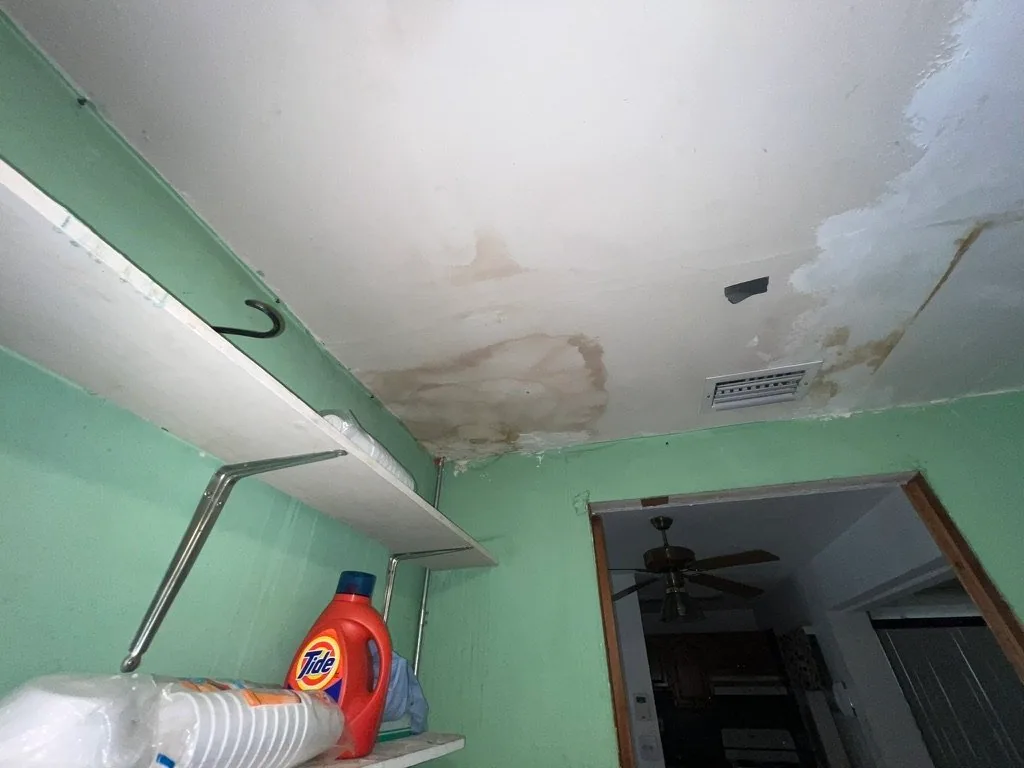
Sellers hear about roofs because replacement can be expensive and easy to spot on an inspection. But an insurance review may also flag an outdated electrical panel, active leaks, unsafe wiring, plumbing concerns, missing HVAC service, or an unrepaired opening in the building envelope.
Ask a licensed inspector, contractor, roofer, electrician, or plumber to evaluate the relevant system. An online age estimate does not establish remaining life or insurability. Our roof-damage page explains the sale choices when a roof issue is already known.
Three sale paths
Repair before listing
Repairing can support a wider buyer pool when the work is scoped, permitted when required, and documented. Get written bids before assuming the repair will raise the sale price by the same amount. The seller also carries the property while the work and inspections are completed.
List as-is and disclose the known issue
An as-is listing can still attract financed buyers, but price, inspection rights, and insurance timing need room for the known condition. A buyer may ask for a credit or cancel if the policy cannot be bound under the contract terms.
Compare a direct cash offer
A cash buyer does not have a mortgage lender requiring a policy before closing. The buyer will still price the condition and may need insurance after closing. Ask for written terms that identify the price, seller costs, inspection rights, title requirements, and target closing date.
What can delay closing
- The buyer waits until late in the contract period to request a quote or inspection.
- A roof permit, repair invoice, or claim record cannot be found.
- The inspection identifies an electrical, plumbing, HVAC, or leak issue that was not priced into the deal.
- The property is vacant or has a use that the proposed carrier will not accept.
- The lender requires coverage or repairs that the seller and buyer did not expect.
If the payoff is already tight
Insurance repairs can make a low-equity sale harder. Get the mortgage payoff, taxes, liens, seller costs, and repair bids on one page. Then compare the likely net from listing with the net from an as-is offer. A direct buyer can remove the financing condition, but cannot erase a mortgage shortage or other title debt.
When a cash sale is not the best answer
Listing may produce a better net when the property is insurable, repairs are limited, the seller can wait, and comparable homes support the price. A pre-listing inspection and early insurance quote can reduce the chance of discovering a deal-breaking condition after contract.
FL Home Buyers can review the property as it sits and explain the repair assumptions in our offer. We cannot issue an insurance policy, decide coverage, promise a buyer's carrier will approve the house, or interpret a claim.