
Sell Your Storm or Fire Damaged House in Florida
Last reviewed: July 2026
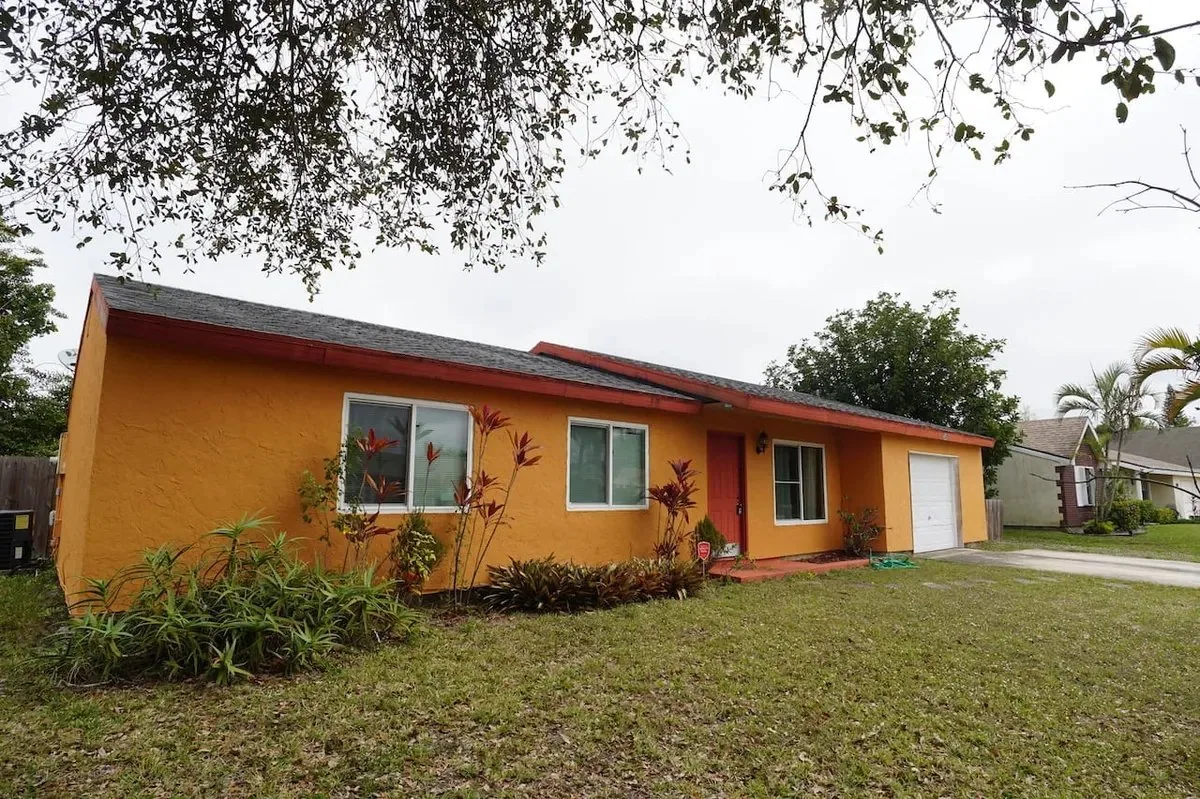
Whether you have hurricane wind damage, roof leaks, fire damage, or flood issues, we can review the property as-is and give you a written offer. Closing timing depends on title, insurance claims, permits, payoffs, access, and seller readiness.
Get My Cash Offer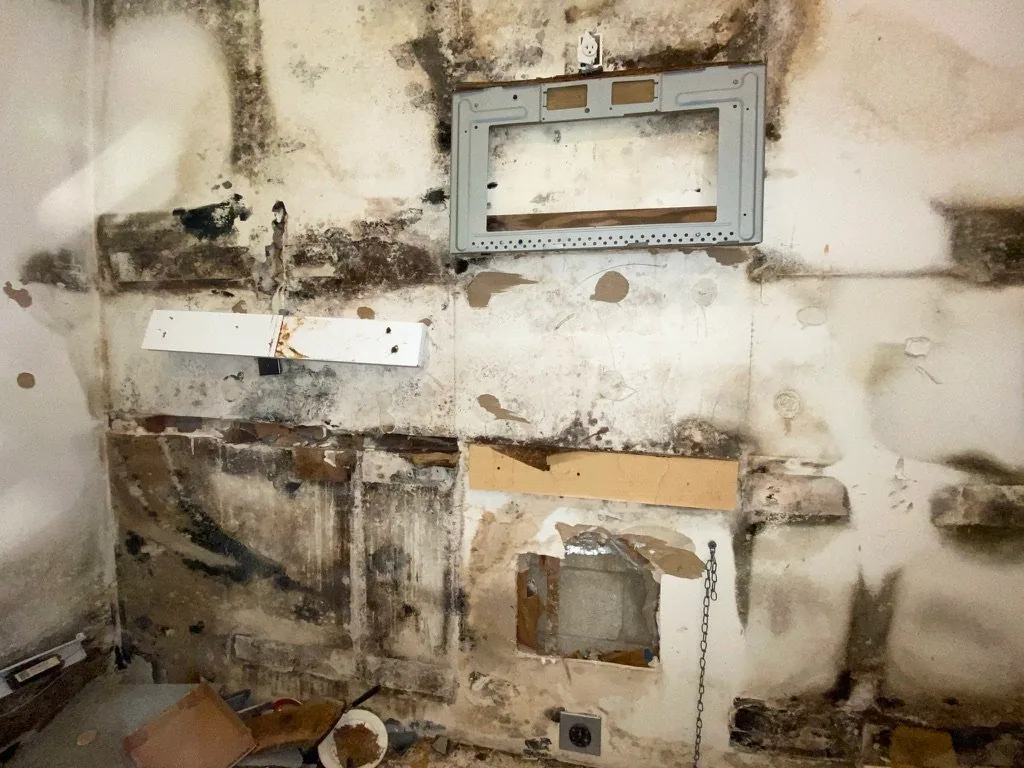
What to Confirm in Your Written Offer
| Factor | Details to review |
|---|---|
| Offer terms | Price, repair assumptions, fees, and any conditions that allow a change. |
| Buyer identity | The buyer named in the contract and who will handle your questions. |
| Closing readiness | The closing date, required title documents, and any remaining estate authority. |
| Access and possession | Access, belongings left behind, and possession arrangements agreed in writing. |
How to Know We're Legit
Worried about scams? Here's how to verify we're a legitimate buyer:
Closing Funds Documentation
We can document available closing funds on request so you can verify buyer capacity.
Florida Buyer
We serve homeowners throughout Florida. Property visits are scheduled at the house, and much of the sale can be handled remotely.
BBB Accredited
We hold an A rating with the Better Business Bureau. Check our reviews.
Founder, FL Home Buyers
Max Cohen reviews available property information and repair estimates for a possible purchase. Specialist inspections or quotes may still be needed.
Storm Damage Needs Immediate Attention
Storm damage can make a normal listing harder. Insurance claims, repair bids, permits, mitigation work, and lender concerns can all slow down a sale while you continue carrying the property.
Florida's Hurricane History: Why Storm Damage Is a Constant
Since 1851, Florida has been hit by more hurricanes than any other U.S. state. NOAA records show the state averages 1 to 2 direct hurricane hits per decade. Some decades are worse: between 2004 and 2005, eight named storms made landfall in Florida. Hurricane Ian in 2022 caused over $110 billion in damage, making it the costliest Florida hurricane on record.
The reality for Florida homeowners: storm damage is a recurring risk. If your home has roof damage, water intrusion, or structural issues and you do not want to manage the repair process, compare an as-is cash offer against the cost, time, insurance uncertainty, and resale risk of repairing first.
Selling a Florida House with an Active Insurance Claim
Sellers in post-Milton and post-Ian markets face a dilemma: wait months for an insurer to adjust a claim, or sell the property now. You can sell a Florida home with an open insurance claim. There are two ways to structure the sale.
First, you may be able to keep control of the claim while selling the property as-is, but the contract, policy language, claim status, repair status, and closing documents matter. Some insurers may dispute or limit what is payable after a property changes hands, so review the claim with your adjuster, attorney, or insurance professional before relying on the payout.
Second, claim proceeds may need to be addressed in the purchase contract and settlement statement. Florida rules around claim transfers and assignment of benefits are technical. If insurance money is part of the sale, the written terms should explain who keeps the claim, who receives any proceeds, and how title and lender issues are handled.
Recent Florida Legislative Reforms and AOB Restrictions
Florida Senate Bill 2-A (SB 2-A), signed in December 2022, changed how homeowners handle post-loss storm claims. For all residential property insurance policies issued or renewed after January 1, 2023, Assignment of Benefits (AOB) agreements are void. You can't sign over your claim rights to roofing contractors or water mitigation companies.
These reforms changed the economics of storm-claim disputes and assignment agreements. Before you sue, assign benefits, accept a partial payment, or sell with an open claim, ask a Florida insurance attorney or qualified claim professional how fees, deadlines, policy limits, and settlement language affect your specific claim.
FEMA Assistance Constraints and Public Adjuster Fees
FEMA disaster assistance doesn't cover the full cost of rebuilding a storm-damaged house. The FEMA Individuals and Households Program (IHP) caps grants for housing assistance. For fiscal year 2025, this cap is $43,600. The cap for other needs assistance is also $43,600. These funds cover basic habitability repairs. They don't fund complete restorations.
If your property is in a Special Flood Hazard Area (Zone A or V) and has two or more flood insurance claims exceeding $1,000 within ten years, FEMA designates it as a Repetitive Loss property. Annual premiums for these structures can reach $15,000, which scares away retail buyers.
Hiring a public adjuster is an option, but Florida Statute § 626.854 caps their fees. During a declared state of emergency, public adjuster fees are capped at 10% of the claim payment for one year post-storm. In non-emergency situations, the fee cap is 20%. You have the right to cancel a public adjuster contract without penalty within 30 days of the loss or 10 days of signing the agreement.
What Storm Damage Repairs Actually Cost in Florida
Building material costs and strict enforcement of the Florida Building Code drive up local repair bills. The code requires you to upgrade the entire system if repairs exceed 50% of the structure's value. Here are the typical costs we encounter:
| Repair Type | Typical Cost Range |
|---|---|
| Full roof replacement | $18,000 - $42,000 |
| Structural repairs (trusses, framing) | $22,000 - $85,000 |
| Water extraction and mold remediation | $4,500 - $12,500 |
| Window/door replacement (impact-rated) | $9,500 - $28,000 |
| Electrical system rewire | $3,500 - $9,000 |
Our purchase review considers the estimated repair scope, available reports, and unresolved permit or code issues. Confirm the responsibilities and remaining conditions in the written offer. Construction requires the applicable professionals and permits.
Why Financed Buyers Avoid Storm-Damaged Homes
Many retail buyers use mortgages, so storm damage can create lender, appraisal, insurance, and inspection problems. Active water intrusion, roof damage, mold, open claims, and permit issues should be reviewed before assuming a financed buyer can close.
Damaged structures can be hard for financed buyers because insurance and lender requirements may come into play. A cash buyer does not need buyer mortgage approval, but title, claims, permits, payoff, access, and written contract terms still matter.
Want to learn more? Check out how it works or read our guide to selling a hurricane-damaged house in Florida.
Real Example
A homeowner in Fort Myers had severe roof and water damage from Hurricane Ian. Their insurance claim was denied on a technicality, and two contractors had backed out of repair bids. We bought the property for $165,000 cash after reviewing title, damage scope, and insurance paperwork, then handled repairs after closing.
Florida Real Estate Law
Reference: Florida Statutes §689 (Conveyances)
- Florida sellers should disclose known material defects that are not readily observable. Selling as-is can reduce repair negotiations, but it does not remove disclosure duties.
- Florida has no state income tax, which can be advantageous when structuring a quick sale and relocating.
- A Florida title company can run the title search, coordinate lien payoffs, issue title insurance when applicable, and record the deed.
- We close with a licensed Florida title company. The settlement statement should show payoffs, prorations, title charges, and seller costs before closing.
Florida remains the most expensive state for homeowners insurance, with annual premiums averaging $5,800–$10,400/year ($485–$865/month). Good news: Citizens recommending a 2.6% average rate decrease, first since 2015, with 3 in 5 policyholders expected to save ~$359/year, effective June 1, 2026 (if approved by OIR). Legal reforms are stabilizing the market and attracting more private carriers back to the state.
2026 Florida Insurance & Storm Data
Before deciding, check current local comparable sales, active inventory, insurance costs, title/payoff numbers, and repair estimates. Market-wide numbers can hide what is happening on your street.
Get a Cash Offer
Get a written cash offer with the storm-damage, title, payoff, insurance-claim, and seller-cost assumptions stated clearly. Closing timing depends on title, payoff, access, seller documents, and written terms.
Get Your Cash Offer
Tell us about your property. We'll give you a real number and help you move on without the cleanup stress.
We Handle This Situation in Every Florida County
See local market data and get a written cash offer in your county:
Related Guide
How to Sell a Hurricane-Damaged House in Florida