
Last reviewed: July 2026
Sell a House With an Underwater Mortgage in Florida
Last reviewed: July 2026
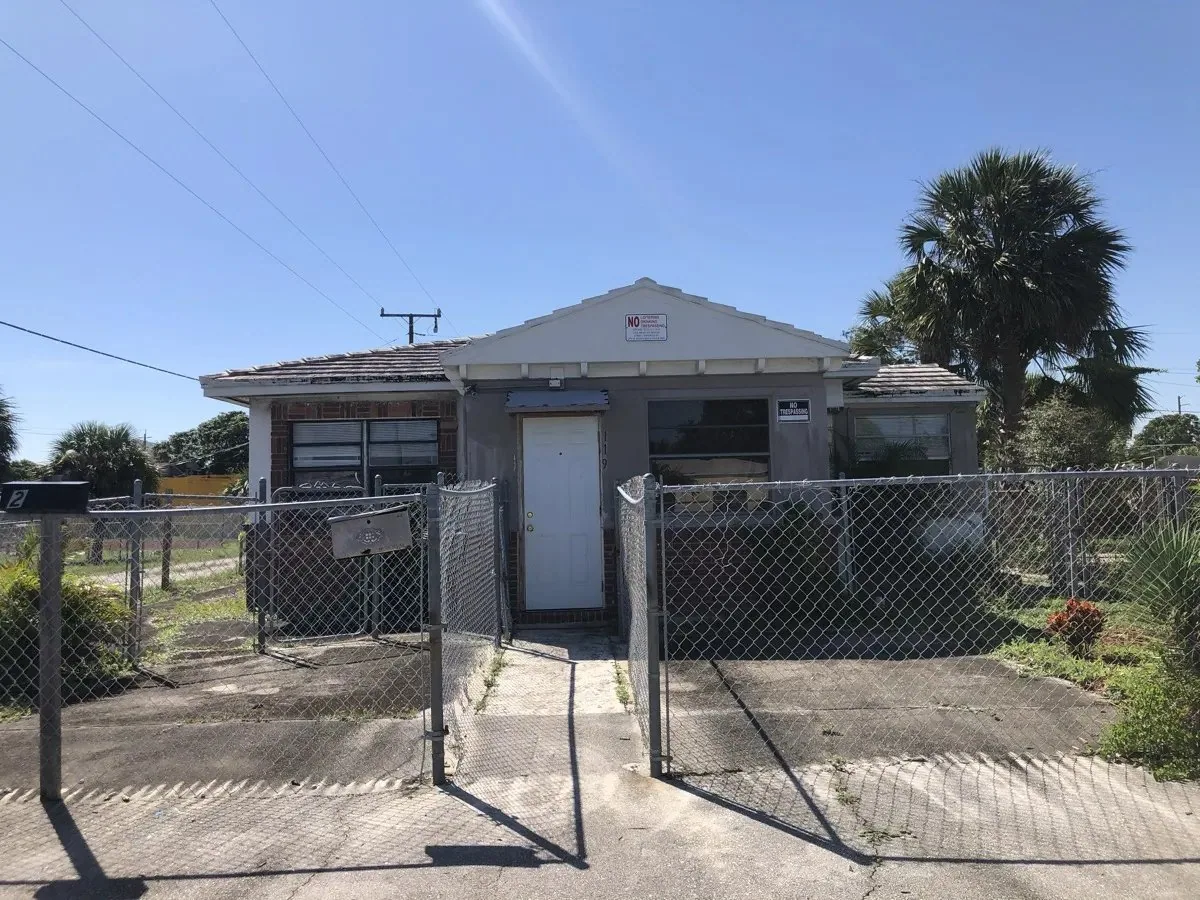
Owe more than your house is worth? Insurance increases, HOA dues, condo assessments, repairs, and local price changes can push a property below payoff. We can make a written as-is offer and help assemble the lender package, but lender approval, title, payoff, and deficiency-waiver language control the final outcome.
Get My Cash OfferCan You Sell a House When You Owe More Than It's Worth?
Yes. When your mortgage balance exceeds the market value of your property, you have negative equity. A traditional sale may require you to bring cash to closing unless the lender approves another path. Common options include a short sale, deed-in-lieu, loan modification, repayment plan, or holding the property if the payment is manageable.
Florida's current property market can make this worse. Insurance increases, condo reserve requirements, special assessments, HOA dues, and repair issues can reduce buyer demand or make financing harder. If you bought near a market peak, those costs can create a gap between the payoff and what a buyer can realistically pay today.
What Deficiency Review Means
A short sale does not automatically erase the unpaid mortgage balance. Florida law has rules for deficiency claims, but the practical issue is the written approval letter from the lender. Before signing, review whether the lender is waiving the remaining balance, reserving rights, asking for a contribution, or reporting cancelled debt.
Underwater Mortgage Situations We Handle
Negative Equity From Market Decline
Properties purchased at peak prices that have lost market value. A traditional sale would require bringing tens of thousands of dollars to the closing table.
Condo Special Assessments
Condominium units hit by massive special assessments due to Senate Bill 4-D compliance, where the owner can't afford the assessment or the rising monthly fees.
HELOC and Multiple Liens
Homes with a first mortgage and a secondary home equity line of credit (HELOC). Both lenders must agree to release their liens for a short sale to close.
Divorce or Job Loss
Urgent life events requiring a sale when there are no funds available to cover the negative equity gap at closing.
Homeowner Options for Underwater Mortgages in Florida
If you owe more than your home is worth, you can't list it on the MLS without writing a check to cover the equity gap. You have three primary ways to resolve the debt with your lender.
1. Short Sale
Your lender agrees to accept a purchase price that is lower than your outstanding mortgage balance. In exchange, they release the lien so the property can sell. For a short sale to work, you must prove a financial hardship, such as a medical crisis, job transfer, or divorce.
The chief risk in a Florida short sale is the deficiency, which is the unpaid balance left over after the sale. Florida law has deadlines and limits for some deficiency actions, but the approval letter and legal path matter. A Florida foreclosure attorney should review whether the lender is waiving the remaining balance, reserving rights, requiring a seller contribution, or reporting the debt a certain way.
2. Deed-in-Lieu of Foreclosure
You sign the deed over to your lender, and the lender agrees to take the property back. This option may avoid a completed foreclosure sale, but it can still affect credit and does not automatically remove remaining-balance risk.
Just like a short sale, a deed-in-lieu does not resolve the deficiency on its own unless the lender agrees to a waiver in writing. If they do not waive it, Florida law has specific limits and deadlines for residential deficiency actions. Have the agreement reviewed before signing over the deed.
3. Lender Negotiations (Loan Modification)
You can negotiate with your servicer to modify the loan. Lenders may lower your interest rate, extend the amortization to 40 years, or add missed payments to the back of the loan. While this can make your monthly payment more manageable, it may not reduce the principal balance. You may still have little or no equity, which can make a normal sale or refinance difficult without lender approval, extra cash at closing, or another workout option.
Why Lenders Prefer Short Sales Over Foreclosure
Foreclosure can be expensive and slow for banks because Florida is a judicial foreclosure state. A short sale gives the loss mitigation department a documented offer, repair context, and a possible path to resolve the file without taking the property back. Whether the lender accepts depends on value, hardship, investor rules, junior liens, and the deficiency language in the approval letter.
Short Sale vs. Foreclosure vs. Bringing Cash to Close
| Factor | Foreclosure | Bringing Cash to Close | Short Sale (Cash Buyer) |
|---|---|---|---|
| Out-of-Pocket Cost | $0 (but lose home) | Full negative equity amount (e.g. $50,000) | $0 (lender covers gap) |
| Credit Score Impact | 100 to 150 point drop | No impact | 50 to 80 point drop |
| Credit Recovery Time | 7 years on credit report | Varies; confirm credit and tax impact before signing | Depends on lender reporting and approval terms |
| Timeline to Complete | 12 to 18 months | Depends on lender approval, title, and payoff terms | Depends on servicer review and approval terms |
| Deficiency Judgment Risk | Can be significant; ask counsel | Depends on written lender terms | Must be addressed in approval letter |
Our Process for Purchasing Underwater Florida Properties
We buy homes from owners who owe more than their properties are worth. We deal with the bank so you don't have to manage the phone calls and financial paperwork.
Property Valuation and Debt Analysis
We review your first mortgage statement, secondary liens, and pending HOA assessments. We run a comparative market analysis to establish the home's cash value, determining the negative equity gap.
Loss Mitigation Package Assembly
We compile your financial package. This includes the required IRS 4506-T tax authorization, bank statements, a detailed hardship letter, and our purchase contract. We submit the full file to the lender.
Lender Deficiency Negotiations
We communicate with the loss mitigation negotiator, submit repair context when a valuation misses major condition issues, and ask for clear remaining-balance language in the approval letter. The lender decides the final terms, and the seller should review them with an attorney or tax professional before relying on them.
Closing and Debt Discharge
Once the lender issues the short sale approval letter, closing depends on the approval terms, title, payoff instructions, wire deadlines, and seller documents. Seller costs and any required contribution should be stated in writing before you decide.
Real Example: Pompano Beach Condo Special Assessment
An owner of a condo in Pompano Beach owed $185,000 on her mortgage. Following a structural integrity reserve study under Senate Bill 4-D, the condo association issued a $40,000 special assessment for concrete restoration. This assessment caused the market value of the unit to fall to $140,000.
The owner couldn't afford the $40,000 assessment or the $45,000 mortgage gap. She contacted FL Home Buyers. We submitted a cash offer of $140,000 to her lender, compiled the financial package, and contested a high BPO by documenting the concrete repair issues. The lender accepted the short sale, and the approval letter addressed the remaining balance before closing.
Questions About Florida Underwater Mortgages
What is a short sale in Florida?
In a short sale, your lender agrees to accept less than the loan balance to release the lien. The process requires submitting a hardship packet: bank statements, tax filings, and a comparative market evaluation.
Can a lender sue me for the mortgage difference after a sale?
Possibly. The difference between the sale price and your outstanding debt is called the deficiency. If the lender does not waive or settle the remaining balance in writing, it may reserve the right to pursue collection through the legal process.
Florida law has deadlines and limits for certain residential deficiency actions, but those rules depend on the path taken and the documents signed. A written waiver or settlement can reduce risk, but the lender controls whether it will waive the remaining balance. We look for that language before closing so you can review it with your attorney.
How do rising HOA fees and insurance premiums push Florida homeowners underwater?
Rising insurance premiums, HOA dues, reserve requirements, and special assessments can make a Florida property harder to sell even when the mortgage balance has not changed. Condo owners can feel this quickly because monthly carrying costs and one-time assessments affect what buyers can afford. If those costs push market value below the loan payoff, a short sale or other lender-approved option may be worth discussing before a missed-payment crisis.
Can I complete a short sale if I am current on my payments?
Yes. Lenders prefer that you have missed payments, but they will approve a short sale for current borrowers if you can prove imminent default. If you can show the bank that your monthly HOA fee doubled, your insurance premium tripled, or you face a documented job loss or divorce, the loss mitigation department will review your application.
How does a deed-in-lieu differ from a short sale?
In a short sale, you sell the property to a third-party buyer and the lender decides whether to accept less than the payoff to release the lien. In a deed-in-lieu, you sign the property's title back to the lender. Both paths can affect credit, future borrowing, tax reporting, and deficiency risk, so review the written approval before signing.
Owing More Than Your Home Is Worth Isn't a Dead End
We negotiate with your lender so you don't have to. Request a cash offer to establish your property's market value.
We Handle This Situation in Every Florida County
See local market data and get a written cash offer in your county:
Official references: CFPB short sale explanation · CFPB mortgage resources. This page is general information for Florida homeowners, not legal or tax advice.