
Content reviewed: October 10, 2026
Sell Your Florida Home When Facing Financial Hardship
Content reviewed: October 10, 2026
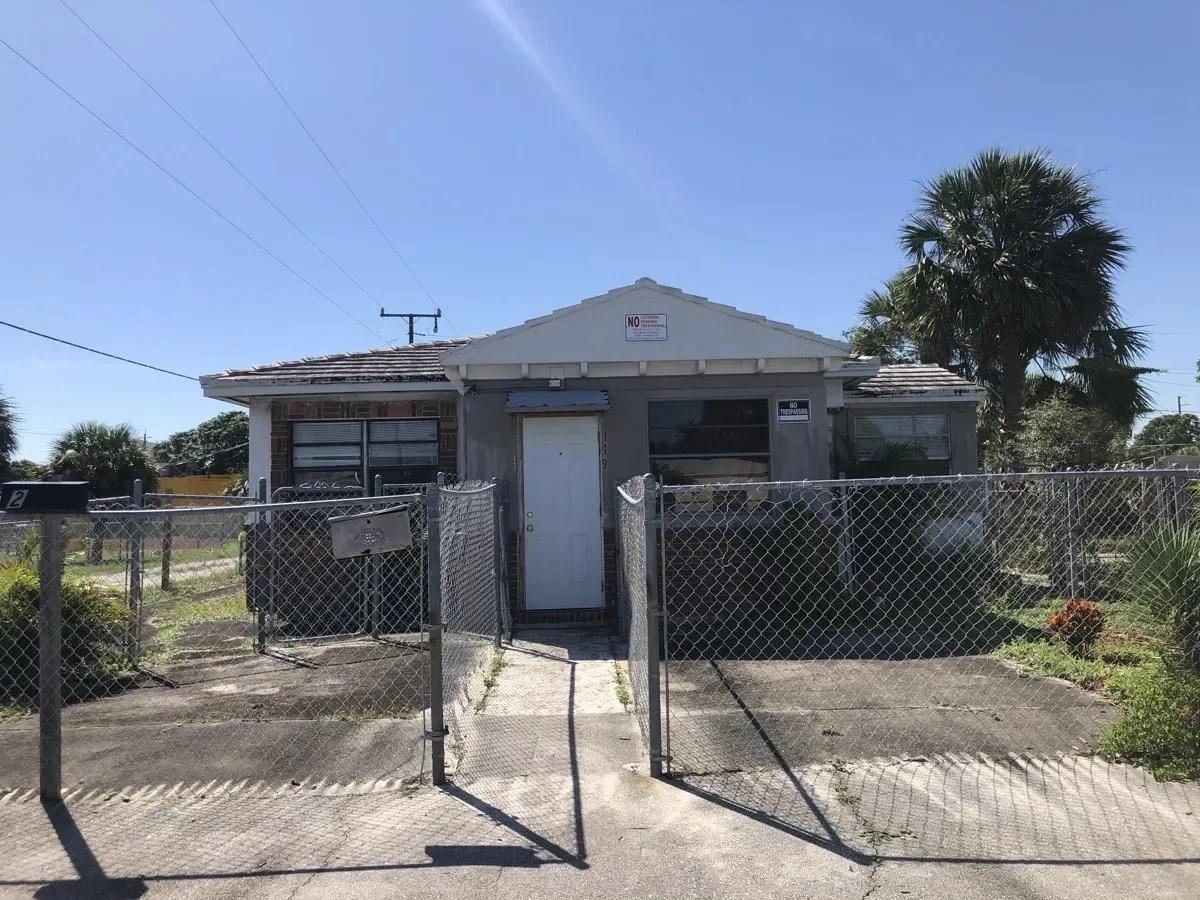
Job loss, mounting debt, or facing foreclosure? We buy Florida homes as-is for cash and put the seller costs in writing before you decide. If the house has enough equity and title can close, a direct sale may help you compare a clean exit against listing, a loan workout, bankruptcy, or keeping the property.
Get My Cash OfferStart With the Payment Problem and the Actual Deadline
A missed payment, a foreclosure lawsuit, and a scheduled auction are different situations. Gather your latest mortgage statement, notices from the servicer, any court papers, and the amount you can afford each month. If court papers have arrived, get legal help quickly and follow the deadline on the summons or court order. Asking a buyer for an offer does not pause the case.
If you want to keep the house, ask the servicer about available repayment or loss-mitigation options. A HUD-approved housing counselor can help you review the options and communicate with the servicer. You can compare a sale at the same time without treating an offer as your only choice.
- Temporary income gap: Compare the cost of catching up with the payment you can sustain after the hardship ends.
- Ongoing shortfall: Include insurance, taxes, association dues, utilities, and essential repairs when deciding whether the house is affordable.
- Possible sale: Request an estimated closing statement using a current payoff, not just the principal balance on a monthly statement.
- Auction already scheduled: Give the date and case number to your attorney and closing agent immediately. They need to establish whether a sale can be completed in time.
Florida Foreclosure Has Court Deadlines, Not a Fixed Countdown
Florida mortgage foreclosure proceeds through the courts under Chapter 702 of the Florida Statutes. The case record and court orders determine what is pending. A statewide average cannot tell you how much time remains on your property.
Before a lawsuit
Contact the servicer early. Ask what documents it needs to evaluate assistance and keep copies of everything you send. Do not wait for a predicted filing date to start that conversation.
After service of court papers
Read the summons and consult a Florida attorney about a response. Do not assume an unanswered complaint, a pending assistance request, or a signed sale contract will make the case go away.
After judgment or a sale date
Ask the attorney and closing agent to confirm the sale date, payoff requirements, and any action needed from the lender or court. A buyer cannot promise that an auction will be canceled simply because you accept an offer.
While comparing your options
Interest, permitted fees, property expenses, and repair needs can change what you keep. Request an itemized payoff with an expiration date and ask about any charge you do not understand. Use current written figures rather than a generic foreclosure-fee example.
Compare What You Would Keep From Each Option
An agent listing may produce a higher price and can also be offered as-is. A direct cash sale may reduce marketing, showings, and buyer-financing steps, usually in exchange for an offer that accounts for repairs and resale risk. Neither approach removes title problems or court deadlines.
- Listing: Ask for comparable sales in the home’s current condition, an estimated seller net, negotiated commission, likely repair requests, and a plan if the property does not sell quickly.
- Direct cash offer: Check the buyer’s funds, deposit, inspection or cancellation rights, assignment terms, seller costs, possession date, and what could change the price.
- Keeping the home: Compare the written terms of any approved workout with your actual monthly budget. An application is not an approval.
- Payoff exceeds the offer: Identify how the shortfall would be covered. A short sale requires lender approval; do not assume the unpaid balance will be forgiven.
What to Have Ready for a Written Offer
We can review the property as-is and explain the proposed price, seller costs, and target closing date. The closing agent still needs to establish who can sign, what must be paid, and which conditions must be resolved.
- The property address, ownership names, and a way to arrange access.
- Current mortgage and association statements, plus any known liens or code notices.
- Court case information and deadlines, if a foreclosure or bankruptcy is pending.
- Your move plan and any belongings or occupants that would remain.
- Any probate, trust, divorce, or power-of-attorney documents affecting the sale.
You do not need to send medical records or explain private family details to request a property review. See our published property examples for documented work, and how we price an offer for the factors that affect the number.
Review Debt and Legal Issues Before Signing
Have your attorney review any foreclosure deadline, bankruptcy restriction, proposed short-sale approval, or unresolved liability. A closing can pay agreed debts from proceeds, but a sale does not automatically erase every claim or protect all assets.
Ask the closing agent for a draft settlement statement showing the purchase price, mortgage and lien payoffs, prorations, seller charges, and estimated proceeds. If the proceeds are insufficient, resolve that gap before relying on a closing date.
Cleanup and possession also belong in the agreement. Take documents, valuables, medications, firearms, and anything you want to keep. Confirm in writing which remaining items the buyer will handle.
Questions About Selling During Financial Hardship
Can I sell if I am behind on mortgage payments?
A sale may be possible if the buyer, closing agent, lender, and any required court process can meet the applicable deadlines. Review current payoff figures and title first. Do not assume you can wait until the auction day.
Does accepting a cash offer stop foreclosure?
No. An offer or contract does not itself stop the case or cancel an auction. Your attorney and closing agent must confirm the payoff, closing requirements, and any lender or court action needed.
What if the house has taxes, association balances, or code liens?
Ask the closing agent to identify the claims, obtain payoff or release requirements, and show how they affect your proceeds. If sale funds will not cover them, an agreement or other source of funds may be needed.
Should I sell or try to keep the house?
Compare an affordable approved workout with the estimated proceeds and housing cost after a sale. A housing counselor can help with mortgage options; an attorney can advise on legal deadlines and protections. FL Home Buyers can provide a purchase offer to include in that comparison.
Do I need to repair or clean the house first?
You can request an as-is offer before spending money on repairs or a full cleanout. The written terms should explain condition assumptions, belongings, and any seller costs.
Get an Offer You Can Compare
Tell us about the property and any closing deadline. We will review the information before proposing terms. Keep working with your servicer or legal adviser while you evaluate an offer.
Sources reviewed October 10, 2026: CFPB mortgage assistance and Florida mortgage foreclosure law.
Florida selling decisions should be based on the property in front of you: recent nearby comps, repairs, insurance availability, buyer financing, payoff amount, title status, and how long you can carry the house. Use this section as a checklist, then compare a realistic retail net against a written as-is cash offer.
2026 Florida Market & Costs
Before deciding, check current local comparable sales, active inventory, insurance costs, title/payoff numbers, and repair estimates. Market-wide numbers can hide what is happening on your street.
Get Your Cash Offer
Tell us about your home. We'll give you a written cash offer with the price, seller costs, and target closing date in writing.
We Handle This Situation in Every Florida County
See local market data and get a written cash offer in your county: