
Florida Real Estate Market Forecast 2026: What Sellers Need to Know
Last updated: October 11, 2026
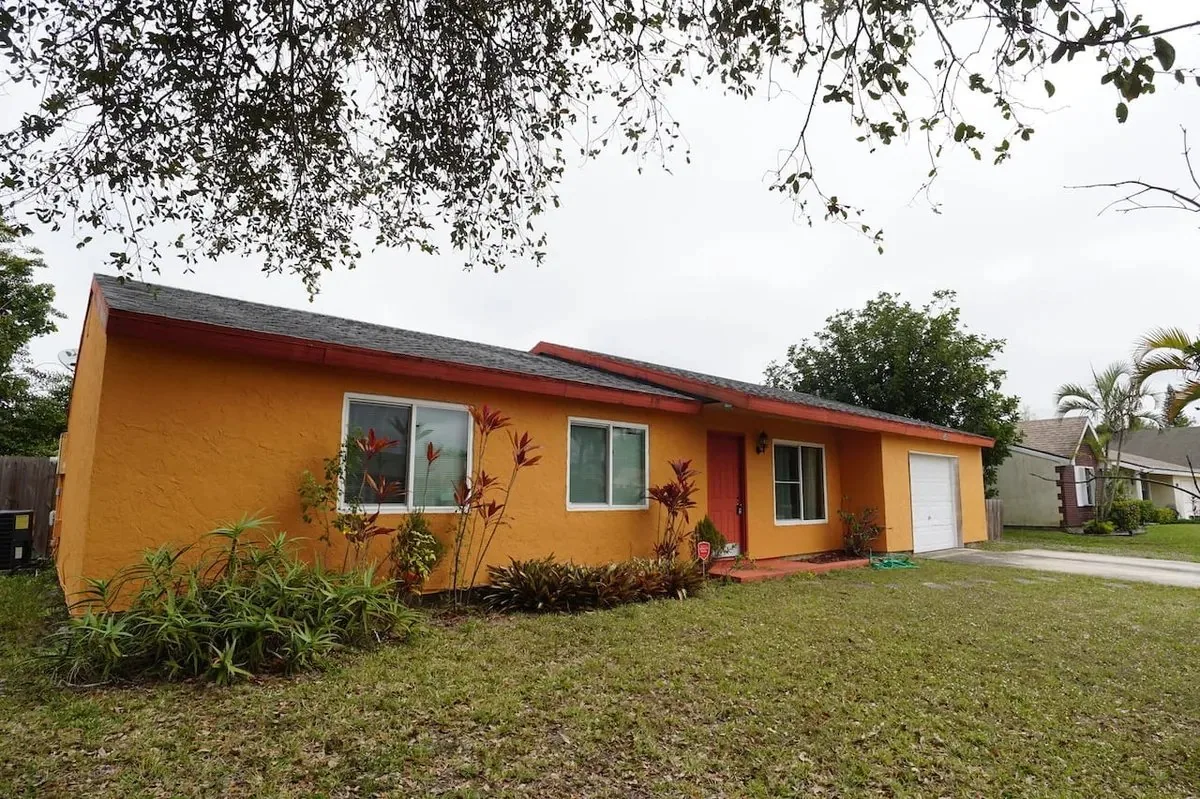
Use dated market data, comparable sales and your own costs to decide whether to list, sell as-is or keep the property.

Written by Max Cohen
Founder, FL Home Buyers · Florida real estate since 2014
Quick Answer
A Florida forecast cannot tell you what your house will sell for. Start with recent sales of similar nearby homes, then compare your likely proceeds and the cost of waiting. The August 2026 statewide reports below describe closed sales and listed supply; they do not predict your closing date or next year's price. Insurance quotes, condo documents, property condition and your actual deadlines belong in the decision.
Florida market snapshot: August 2026
Florida Realtors published these statewide reports on September 16, 2026. They cover existing homes reported through Florida's multiple listing services. Keep single-family homes separate from the combined townhouse-and-condo category.
Single-family homes
- Median sale price
- $415,000
- Median price vs. August 2025
- +1.2%
- Months supply of inventory
- 4.3 months
Townhouses and condos
- Median sale price
- $298,000
- Median price vs. August 2025
- +2.8%
- Months supply of inventory
- 7.7 months
Figures checked October 11, 2026. This is a dated snapshot, not a live feed. Check the Florida Realtors market reports for later releases before making a decision.
A median is the midpoint of the sales reported for that period. A higher statewide median does not establish that your home's value rose by the same percentage: the mix of homes sold can change. Months of supply measures listed supply relative to the sales pace; it is not the number of months your house will take to sell. See the report's definitions.
What your local comparable sales need to show
A county or metro median is a starting point for research, not a price for your property. Ask a local agent for closed sales and competing listings that match the home you actually own.
- Match the property: compare similar living area, property type, age, lot and neighborhood. For a condo, start with the same building or association when useful sales exist.
- Explain condition differences: a renovated home with a newer roof is not a direct comparison for one with water damage or unfinished work. Ask for written repair estimates and documented adjustments.
- Check costs and restrictions: flood exposure, insurance, association fees, assessments, occupancy and rental restrictions can change a buyer's decision.
- Separate sold from advertised: an active asking price is not a completed sale. A pending listing may not yet have a public final price.
- Ask what the seller gave up: concessions, repairs and other negotiated charges affect proceeds even when the headline price looks strong.
If there are few useful sales, ask the person pricing your home to show the uncertainty instead of filling the gap with a statewide percentage. Compare a supported listing range with an actual written offer; an online estimate is neither.
Supply, selling time and forecast scenarios
The August reports show more months of supply in the combined condo-and-townhouse market than in single-family homes. That does not mean every condo must be discounted or every house will sell quickly.
For timing, ask for separate local measures of time from listing to contract and from listing to completed sale. Neither is a deadline for your property. A contract still needs its inspections, financing, title work, payoffs and other conditions resolved.
Use these conditional scenarios to plan the rest of 2026 rather than choosing a sale date from a statewide prediction:
- If comparable listings build up and local price reductions increase: review your asking price, presentation and cost of holding before extending the listing unchanged.
- If suitable closed sales support the price and you can carry the property: compare the potential proceeds from listing with the cost and uncertainty of waiting.
- If financing gets easier: watch actual local contracts and closings before assuming your value has increased.
- If an assessment, insurance renewal or repair changes your budget: update the numbers now. A general market forecast does not pay that bill.
Insurance questions to resolve before accepting an offer
Use an address-specific insurance quote, not an unsourced statewide premium, when estimating ownership costs. Gather your current policy, renewal notice, roof records and any available inspection reports. Ask a licensed insurance agent what coverage, exclusions, deductibles and inspections apply to the proposed buyer and property.
Florida's Department of Financial Services explains that lenders may require homeowners coverage and that insurers commonly use four-point inspections of the roof, electrical, plumbing and HVAC systems. Its homeowners insurance guide is a useful starting point. Your current policy and premium do not establish what a buyer can obtain.
If coverage or a repair is uncertain, identify the unresolved item before promising a closing date. A cash offer removes the buyer's mortgage approval step, but does not remove the property's condition, ownership costs or the contract's other requirements.
Condo documents matter more than a statewide assessment estimate
Before pricing a condo, request the association's current budget, regular dues, approved special assessments and payment schedules. Ask for available milestone inspection reports, structural integrity reserve studies, repair plans and relevant meeting records. Identify what is approved, what is only proposed and what remains unknown.
The Florida DBPR inspection and reserve resources explain these processes. Have the association, a qualified attorney and the buyer's lender, when applicable, confirm which requirements and financing questions affect your building.
Do not assume selling before an assessment installment comes due eliminates your responsibility. Have the closing professional and your attorney review the association's statement and the contract's allocation of charges. Compare the actual obligations under each offer; a lower price is not automatically the better outcome.
Mortgage rates: use the week, loan type and borrower context
Freddie Mac reported a 7.40% average for a 30-year fixed-rate mortgage as of October 8, 2026. Its survey focuses on conventional, conforming purchase loans with a 20% down payment and excellent borrower credit. This national average is not a Florida quote or an approval for a specific buyer. Read the dated Freddie Mac release.
For a financed offer, review the financing contingency, appraisal terms, deposit and lender's progress. For a cash offer, request evidence of funds and read the inspection and cancellation terms. The label alone does not establish that a buyer can close.
If you need another home after selling, price that move too: replacement housing, insurance, taxes, moving costs and any new financing. A favorable sale price can still leave you with an unaffordable next step.
Deciding whether to sell or wait
There is no single best month for every Florida seller. Build a comparison around your property's evidence and your household's deadline.
- Estimate proceeds for each option. Begin with a supported price, then subtract negotiated selling costs, repairs or credits, mortgage payoff, liens and other amounts the closing professional identifies. Use our seller-cost worksheet to organize the inputs.
- Put a cost on waiting. List the mortgage payment, insurance, taxes, association dues, utilities, maintenance and upcoming bills for the period you are considering. Avoid counting taxes and insurance twice if they are included in escrow. Cash outflow and economic cost differ: mortgage principal payments reduce the loan balance. The sell-or-hold guide helps separate those questions.
- Check the downside. Consider a lower sale price, a delayed closing and an unexpected repair. Would you still have enough money for the property and your next home?
- Use actual deadlines. A relocation date, a loan notice, a court order or an approved assessment is more specific than a market forecast. If foreclosure or another legal deadline is involved, get qualified help quickly rather than assuming a sale will finish first.
Listing may produce better proceeds when the property is marketable and you can accommodate preparation, showings and uncertainty. An as-is cash sale may simplify some of that work, often in exchange for a lower price. Compare the written terms and estimated money left after closing before choosing.
Common seller questions
Is 2026 a good time to sell in Florida?
It depends on the property, your costs and your next housing plan. Compare local closed sales, written offers and the cost of waiting. A statewide report cannot make that decision for you.
Are Florida home prices rising or falling?
The August 2026 reports above show higher statewide median sale prices than August 2025 in both reported categories. That does not establish appreciation for an individual home or describe every neighborhood. Check comparable sales of your property type.
How long will my house take to sell?
Use local listing-to-contract and listing-to-sale data as planning inputs. Your price, condition, buyer, title and contract terms control the actual process. Months of supply is a market measure, not your closing schedule.
Should I sell before an insurance renewal or condo assessment?
First get the renewal quote or assessment documents and compare the cost of keeping the property with the proceeds from selling. Confirm due dates and responsibility for charges in the contract and closing documents. Do not assume a sale cancels an obligation.
Should I wait for mortgage rates to fall?
A rate forecast is uncertain. Compare today's options with a waiting scenario that includes carrying costs, price risk and your replacement housing. If you wait, set a date to review actual local sales and your budget again.
Want to Know Your Home's Value in the Current Market?
Get a written cash offer after a property review, then compare that number with local comps, repairs, seller costs, and timing.
Get My Cash Offer
Max Cohen
Founder · Buying Florida homes since 2014