
Last updated: March 2026
Sell a Vacant House in Florida
Last updated: June 2026
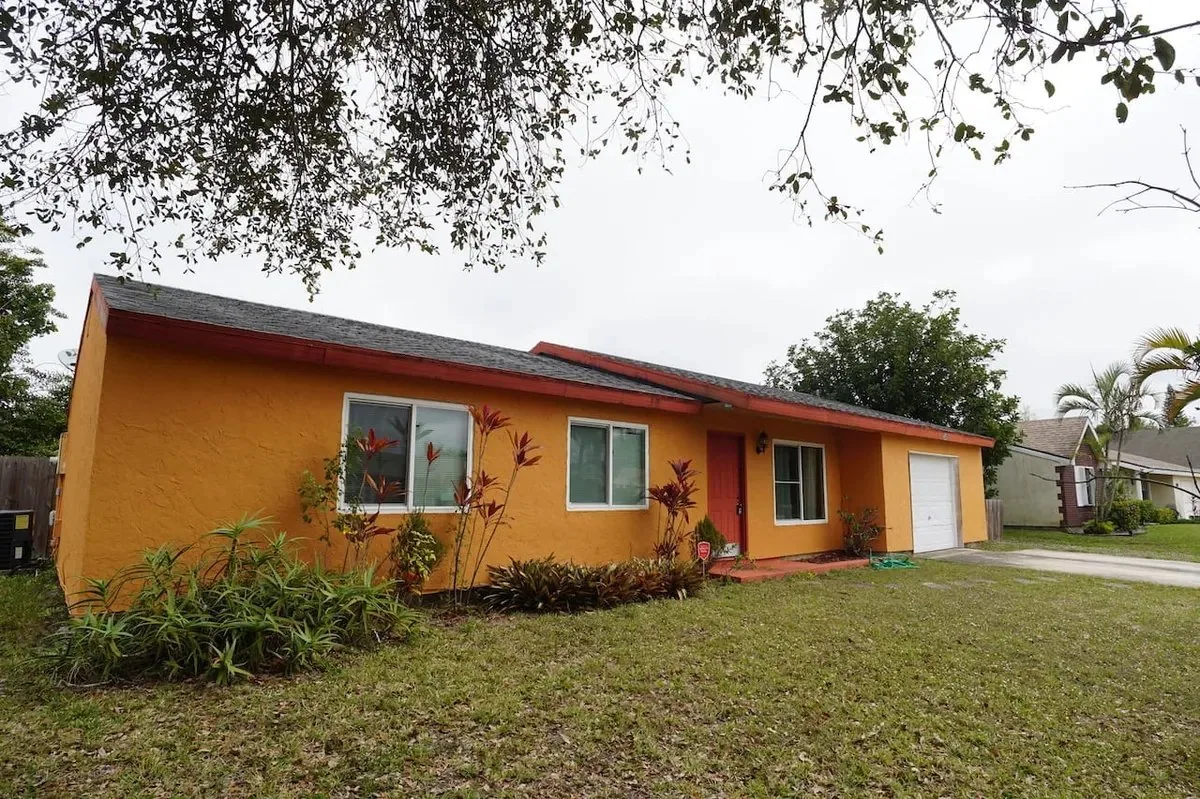
A vacant property can become harder to sell when insurance, utilities, lawn care, code notices, leaks, or unauthorized occupants are ignored. We review vacant Florida homes for written as-is cash offers after checking condition, access, title, payoff, liens, and your timeline.
Get My Cash OfferWhy Vacant Properties Get Harder to Sell
A vacant house in Florida needs active management. Insurance may change once the property is vacant, utilities may need to stay on for climate control, and local code enforcement can cite overgrown yards, unsecured openings, standing water, or unsafe structures. Mortgage payments, taxes, HOA dues, and maintenance continue even when nobody is living there.
The practical problem is deterioration. Roof leaks go unnoticed. AC systems fail. Humidity and standing water create mold. Pools turn green. Broken windows invite theft or unauthorized occupancy. Each month can add a new issue that a retail buyer, lender, insurer, or title company needs resolved before closing.
Build the Carrying-Cost Sheet First
Before choosing between listing and selling as-is, add the actual monthly costs: mortgage, taxes, insurance, utilities, lawn or pool service, HOA dues, security, pest control, travel, repairs, and any daily code fines. Then compare that number with the expected listing timeline, repair budget, and written cash-offer net.
Vacant Property Problems We Review
Insurance Gaps
Ask your agent whether the current policy covers a vacant property, what is excluded, and whether a vacancy endorsement or separate policy is needed.
Unauthorized Occupants
A former tenant, family member, or squatter changes the sale process. The facts determine whether sheriff removal, court action, or another legal path is required.
Code Enforcement Violations
Overgrown yards, broken windows, unsecured buildings, pool violations, and unsafe structures can become liens that must be handled for title.
Hidden Deterioration
Without regular walkthroughs, small leaks, AC failure, termites, mold, and roof problems can grow before anyone sees them.
How to Decide Whether to Hold, List, or Sell As-Is
Start with the next 90 days. What will it cost to keep the house insured, mowed, secured, cooled, and code-compliant? What repairs are required before a buyer using financing can close? Who can open the door for showings and inspections? If the owner is out of state or probate is still open, the logistics may cost more than the repairs.
Listing can make sense when the property is clean, insured, accessible, and close to retail condition. An as-is cash sale is worth comparing when repairs, vacancy risk, unauthorized occupancy, code fines, or estate coordination are the real obstacle.
What a Useful Offer Should Tell You
The written terms should show purchase price, expected seller costs, closing window, inspection access, who handles personal property, and how known liens, code violations, or payoff issues will be resolved.
Holding a Vacant Property vs. Selling Now
| Factor | Traditional Sale | Cash Sale to FL Home Buyers |
|---|---|---|
| Monthly Carrying Cost | Continues until closing | Ends after closing |
| Insurance | Must be verified while vacant | Risk transfers after sale |
| Unauthorized Occupant Risk | Must be solved for many buyers | Reviewed before offer |
| Property Deterioration | Can worsen during listing | Priced into written terms |
| Time to Sell | Depends on condition and buyer financing | Depends on title, payoff, access, and documents |
How We Buy Vacant Properties
Tell Us What Is Known
How long has it been vacant, who has access, whether utilities are on, and whether there are code, insurance, probate, or occupant issues.
Walk the Property
We look for roof leaks, AC failure, mold, pool problems, pests, vandalism, open permits, and safety issues that change the buyer pool.
Put the Terms in Writing
The offer should state price, seller costs, expected closing window, inspection access, personal-property plan, and known lien handling.
Close When Title Is Ready
A cash sale can move after payoff, title, probate authority, access, and seller documents are ready.
Experience Behind This Page
Our documented purchase history includes vacant or condition-heavy Florida purchase experience such as Jupiter Landings Dr, Jupiter (2025), NE 26th St, Pompano Beach (2023), N 16th St, Fort Pierce (2023), and Garwood Dr, Orlando (2023). We use street-level examples only when they are privacy-safe and tied to documented purchase history.
Questions About Selling a Vacant Property
Should I fix up a vacant house before selling?
Compare the repair budget, carrying costs, and likely retail net before spending money. Repairs may make sense if the house is close to retail condition; they often do not if vacancy has created insurance, mold, code, or access issues.
Can I sell a vacant house with unauthorized occupants?
Sometimes, but the facts matter. A former tenant, family member, or trespasser can require different legal steps. Tell us what you know before contract so the offer reflects the real situation.
What if the vacant property has code violations?
It may still be sellable. The contract should say who is responsible for existing fines, lien releases, municipal payoffs, and post-closing repairs.
How long does it take to sell a vacant house?
A cash closing can move quickly when title, payoff, probate authority, access, and seller documents are ready. Unresolved liens, unpaid taxes, HOA issues, or occupant problems can extend that timeline.
Compare the Net Before Vacancy Gets Worse
Tell us what is known about the property and we will put written terms in front of you after review.
We Handle This Situation in Every Florida County
See local market data and compare how vacancy issues affect your county: