
Last updated: July 2026
Sell a House With Mold in Florida
Last updated: July 2026
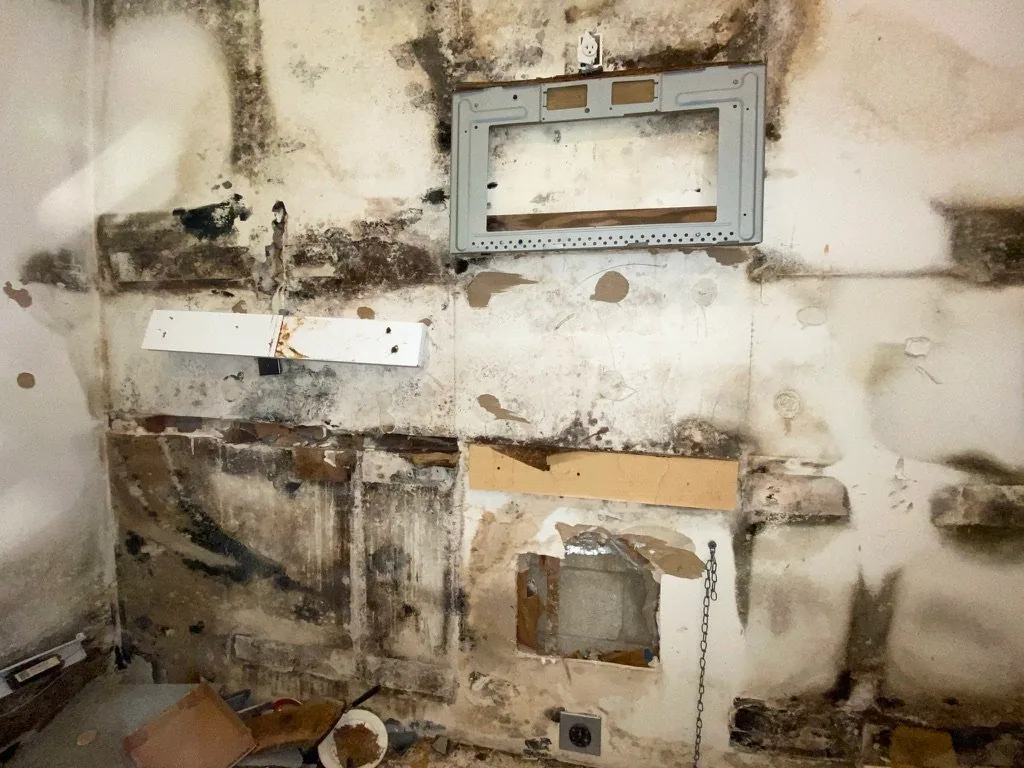
Mold can make a normal sale harder in Florida because buyers, inspectors, insurers, lenders, and attorneys may all ask different questions. You need to know where the moisture came from, whether repairs were completed correctly, what must be disclosed, and whether selling as-is is better than paying for cleanup first.
Get My Cash OfferWhy Mold Makes a Traditional Florida Sale Harder
Mold does not automatically make a sale impossible, but it adds friction. A financed buyer may need the appraiser, lender, insurer, and inspector to be comfortable with the condition before closing. If there is active water intrusion, visible growth, or missing documentation, the buyer may ask for remediation, credits, repairs, or cancellation.
The biggest issue is uncertainty. A small bathroom leak is different from a vacant house with months of moisture, HVAC contamination, damaged drywall, and unknown insurance history. A useful offer should separate visible mold from the underlying water problem that caused it.
The Law on Florida Mold Disclosure
Florida does not have one simple mold-disclosure form that answers every case. The seller's duty usually comes from the broader Florida rule that known latent material defects should be disclosed. If you know about mold, water intrusion, roof leaks, plumbing leaks, or prior remediation, disclose it in writing and keep copies of any test, estimate, claim, or repair record.
Health and Verification Note
We buy houses; we are not mold inspectors, remediators, doctors, or attorneys. If anyone in the house is having symptoms or the growth is widespread, use qualified help before relying on a buyer's opinion. For sale decisions, the practical questions are usually the same: is the moisture source fixed, what documentation exists, what must be disclosed, and will a financed buyer or insurer accept the condition?
- EPA mold guidance explains moisture control and cleanup basics.
- CDC mold health guidance explains why people with asthma, allergies, or immune issues may need extra caution.
- Florida Department of Health indoor air quality resources can help you understand Florida-specific health guidance.
Types of Mold Problems We Buy
HVAC and Ductwork Mold
Florida air conditioners run constantly, and condensation or leaks can create growth inside ducts or around air handlers. Buyers may ask whether the HVAC system needs cleaning, repair, or replacement.
Toxic Black Mold (Stachybotrys)
Do not guess at mold species from appearance alone. If the type of mold matters to your decision, get a qualified inspection or lab test instead of relying on photos.
Attic Fungus and Roof Mold
Roof leaks, blocked ventilation, and high attic humidity can lead to staining, fungal growth, or wood damage. The real question is whether framing or roof decking needs repair.
Kitchen and Bath Subfloor Mold
Slow leaks behind cabinets, showers, toilets, or tubs can damage drywall, flooring, baseboards, and subfloor. A buyer will want to know whether the leak is fixed or still active.
What Mold Cleanup Can Cost You
There is no honest single mold-remediation number. Cost depends on how far the water traveled, whether the source is fixed, whether walls or cabinets must be opened, whether HVAC is affected, and whether rebuild work is included after cleanup.
What changes the remediation scope
- Source: roof leak, plumbing leak, flood, HVAC condensation, or unknown moisture
- Spread: one small area versus walls, cabinets, ducts, attic, or flooring
- Documentation: inspection report, moisture readings, remediation plan, clearance test
Costs sellers forget to include
- Rebuild after cleanup: drywall, trim, cabinets, flooring, paint, and fixtures
- Holding costs: mortgage, taxes, insurance, HOA, utilities, lawn care, and security
- Retesting: clearance reports or additional inspection if the buyer or lender asks
Many sellers miss the difference between remediation and restoration. Remediation may remove affected materials and treat the area; restoration puts the house back together. Make sure any estimate says what is and is not included.
Carrying Costs and Buyer Confidence
While you wait for inspections, remediation, and rebuilding, you may still be paying mortgage, taxes, insurance, HOA, utilities, and maintenance. Even after cleanup, buyers may ask for documentation because the history of moisture still matters.
Skip the Repairs With a Cash Sale
FL Home Buyers can review the property as-is and price the cleanup and repair risk into the offer. That lets you compare a repair-and-list path against a direct sale before spending money on work you may not recover.
Comparing a Traditional Sale and a Cash Sale
| Feature | Traditional Listing | Cash Sale to FL Home Buyers |
|---|---|---|
| Remediation Cost | Seller pays or waits for insurance/contractor answers | Buyer prices cleanup into the offer |
| Closing Timeline | Often slower when remediation, rebuild, financing, and insurance are involved | Can be faster when title, access, and documents are ready |
| Buyer Fallthrough Risk | Higher if inspection, insurance, or financing conditions are not resolved | Lower financing risk, but title and payoff still matter |
| Reconstruction Work | May be needed to satisfy a retail buyer, lender, or insurer | Not required before our property review |
How We Buy Mold-Damaged Homes in Florida
Share the Details
Call us or submit the online form. Describe the source of the water damage and the location of the mold.
Schedule a Walk-Through
We visit the property to check the structure. Do not spend money hiding damage before you know your sale path; visible conditions help us price the repair scope honestly.
Receive Your Offer
We calculate an offer based on the market value minus our projected cleanup and repair costs.
Choose the Closing Date
You choose a target closing date after title review. The licensed title company prepares closing paperwork and disburses funds.
Case Study: HVAC Mold in Boynton Beach
A common Florida mold scenario starts with a slow bathroom, roof, or HVAC leak that goes unnoticed while the house is vacant or lightly used. By the time the seller finds it, the issue is no longer just cleaning visible growth; it may involve opening walls, checking ducts, documenting the source, and rebuilding after remediation. In those cases, we review the visible condition, photos, inspection notes, and access before putting an as-is number in writing.
Common Questions About Selling a House With Mold
Can I sell my house with mold in Florida?
Yes. You can sell a house with mold as-is to a cash buyer. If you sell to a buyer using financing, the buyer's lender, insurer, appraiser, or inspector may require remediation, documentation, or repairs before closing.
How much does mold reduce home value?
There is no reliable universal percentage. Value depends on the source of moisture, the rooms affected, whether the leak is fixed, whether there is clearance documentation, and how much rebuild work remains.
Do I need to remediate mold before selling?
Not necessarily. A retail buyer may ask for remediation, credits, or documentation before closing. A cash buyer can evaluate the house as-is and decide whether to take on the cleanup after closing.
Is it legal to sell a house with mold in Florida?
Yes, but known mold and water intrusion should be disclosed in writing. If you have reports, estimates, insurance claim documents, or repair invoices, keep them available for the buyer and title team.
How fast can you close on a house with mold?
It depends on title, payoff, access, documents, and whether anyone else must approve the sale. Mold itself does not have to be repaired before we review the property, but closing still needs a clean title path.
Compare Repairing vs. Selling As-Is
Before paying for cleanup, compare the remediation path against a written as-is offer that accounts for the damage, seller costs, payoff, and timing.
We Handle This Situation in Every Florida County
See local market data and get a written cash offer in your county: