
Last reviewed: July 2026
Sell a House With Unpermitted Work in Florida
Last reviewed: July 2026
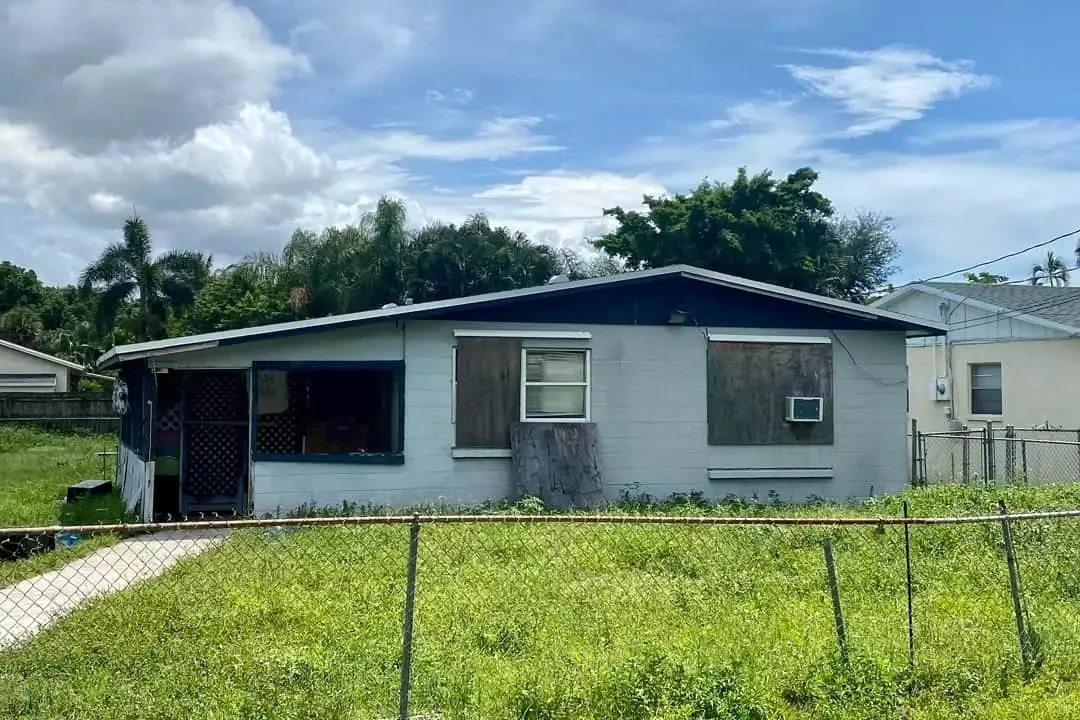
Unpermitted work can complicate a Florida sale. Retroactive permits can be expensive when older work must be inspected, engineered, opened up, corrected, or brought into compliance. We can review properties with open permit violations and unpermitted structures when the title, code, and contract issues can be handled in writing.
Get My Cash OfferHow Unpermitted Work Can Derail a Home Sale
A title search, municipal lien search, buyer inspection, appraisal, or property-appraiser record can expose work that was never permitted or never finalized. The sale may still be possible, but the buyer, lender, title company, and municipality may need answers before closing.
Under Florida code-enforcement rules, local governments can issue violation notices, fines, and liens. The fix may involve an after-the-fact permit, engineer letter, demolition, corrections, inspections, payoff, escrow, or written acceptance of the risk. Do not assume the permit issue is harmless until title and municipal records are reviewed.
Code Compliance Costs Can Be Bigger Than the Permit Fee
The expensive part is often opening walls, documenting hidden work, correcting unsafe conditions, meeting current inspection requirements, and waiting on city or county review. Max Cohen is the founder of FL Home Buyers, so we can price visible repair and code risk before making written terms.
Types of Unpermitted Work We Review
Room Additions
We buy properties with unpermitted mother-in-law suites, sunrooms, or Florida rooms. These structures require foundation verification and roof tie-in checks to resolve.
Garage Conversions
Many Florida homeowners convert garages into bedrooms or living space without a permit. These can raise ceiling-height, fire separation, egress, HVAC, electrical, and appraisal questions.
Plumbing and Electrical Work
DIY electrical panels, unpermitted water heater swaps, and added bathrooms violate Florida code. We buy homes with active code enforcement cases for illegal utility tie-ins.
Patios and Enclosures
Aerial photos, property-appraiser records, inspections, or code complaints can flag unpermitted pool cages, covered decks, additions, or concrete slabs.
Retroactive Permitting Costs in Florida
In Florida, after-the-fact permit costs vary by city, scope, and whether engineering, demolition, electrical, plumbing, or structural work is required. The expensive part is often not the permit fee itself; it is opening walls, documenting the work, correcting unsafe conditions, and waiting on inspections.
If a city finds safety issues that cannot be ignored, it may issue a notice of violation, require corrections, or record fines as a lien. Before closing, the title company needs to understand what must be paid, released, escrowed, or disclosed so the sale does not create a new problem for the seller.
We Price the Code Risk in Writing
We buy properties with open code violations and active fines when the issue can be handled through title and a written as-is contract. The offer should state which liens, permit files, engineering work, repairs, or city requirements affect the net number before you sign.
Comparing Your Options
| Factor | Traditional Sale | Cash Sale to FL Home Buyers |
|---|---|---|
| Permit & Engineering Cost | Depends on scope, city, inspections, and corrections | Priced into the written offer |
| Code Compliance Upgrades | May require corrections, demolition, engineering, or inspections | Stated in the repair assumptions |
| Municipal Fine Risk | Depends on the notice, city, lien status, and compliance history | Handled according to written title and payoff terms |
| Timeline to Close | Often months if you correct it first | Based on title, city requirements, and seller timing |
| Structural Inspection Failures | Demolition order risk | We accept all liability |
Our Purchasing Process
Provide Details
Tell us what structures or systems lack permits. We review cases involving DIY additions, unpermitted roofing, and illegal plumbing work.
We Review Public Records
We search local building departments for open permits and active code violations so you don't have to order public searches.
Get the Offer
We calculate the cost to resolve the code issues or demolish the structure, then make a cash offer based on that valuation.
Close Through Title
We close once title, payoff, lien, and city-related items are clear enough for closing. The written contract should explain what happens to the open permit or violation after sale.
Case Study: Delray Beach Garage Conversion
In Delray Beach, we purchased a house where a previous owner turned a two-car garage into a bedroom suite without permits. The retail buyer backed out when the home inspector flagged the room because the square footage did not match Palm Beach County records. The space lacked code-compliant firewalls and proper insulation. We bought the house for cash, priced the permitting risk into the offer, and handled the code file after closing.
Questions About Selling With Unpermitted Work
Do I have to disclose unpermitted work?
Yes. Florida case law, in practice Johnson v. Davis, requires sellers to disclose any known material defects that affect property value. Unpermitted work is a material defect, and failing to disclose it exposes you to post-sale lawsuits.
Can a buyer's lender refuse to finance a home with unpermitted work?
Yes. Traditional lenders financing through FHA, VA, or conventional loans will deny the mortgage if the appraisal square footage doesn't match county tax records, or if their title search shows open building department violations.
What if I don't know if work was permitted?
We search county records to find your home's permit history. Even if a previous owner performed the work, the current owner is liable for the violations. We take over this liability when we buy your house.
Is it better to get permits or sell as-is?
For minor fixes like a water heater replacement, paying local fees to retroactively permit the work is simple. For large projects like room additions or garage conversions, selling as-is to a cash buyer avoids engineering fees, daily code fines, and construction delays.
Unpermitted Work Doesn't Have to Stop Your Sale
We buy properties with open permits, active code enforcement cases, and illegal additions. Request a written cash offer.
We Handle This Situation in Every Florida County
See local market data and get a written cash offer in your county: