
Last updated: March 2026
Sell a Hurricane-Damaged House in Florida
Last updated: June 2026
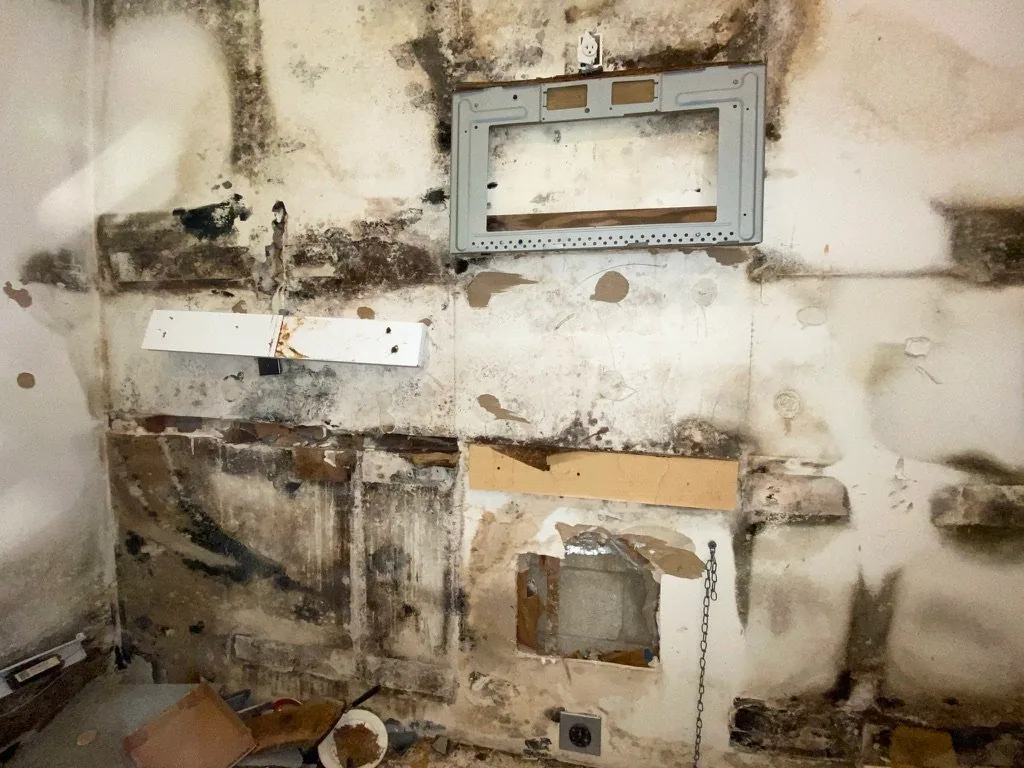
Hurricane damage creates several problems at once: roof and water damage, insurance claim status, flood-zone questions, permits, contractor availability, and whether the home is safe to show. We review hurricane-damaged Florida homes for written as-is cash offers after checking condition, title, payoff, claim documents, and seller timeline.
Get My Cash OfferWhy Hurricane-Damaged Homes Are Hard to Sell
A retail buyer usually needs the home to be safe, insurable, financeable, and clear enough for inspections. Hurricane damage can break that process. Roof leaks, water intrusion, mold, broken openings, and open permits may need to be resolved before a lender or insurer is comfortable.
Claim status also matters. A seller may have an open claim, a denied claim, a supplemental claim, a mortgage company holding proceeds, or no coverage for part of the loss. Before signing anything, make sure the contract says whether insurance proceeds stay with the seller, transfer to the buyer, or are excluded from the sale.
Documents to Gather Before You Price It
Collect insurance claim letters, adjuster estimates, contractor bids, roof age, photos, permit records, mortgage payoff, and any flood-zone information from the FEMA Flood Map Service Center. For active storms and official hurricane information, use the NOAA National Hurricane Center.
Hurricane Damage We Review
Roof Damage
Missing shingles, tarp exposure, roof leaks, rotten decking, and open roof claims all change the offer and the buyer pool.
Wind and Water Together
Wind-driven rain can affect ceilings, walls, flooring, insulation, electrical systems, and HVAC equipment even when the exterior damage looks limited.
Flood or Storm Surge
Flood damage, saltwater exposure, FEMA flood zone status, and whether the loss was covered by flood or wind insurance need separate review.
Permits and Unsafe Conditions
Emergency repairs, open permits, unsafe-structure notices, and unpermitted work can slow title or create post-closing obligations.
How to Compare Repairing vs. Selling As-Is
Do not compare a cash offer only to the pre-storm value. Compare it to the realistic net after deductible, uncovered damage, contractor delays, permits, temporary housing, carrying costs, mortgage payoff, and the risk that more damage is found after work starts.
Repairing can make sense when the claim is funded, the contractor scope is clear, permits are simple, and you can afford the carrying time. Selling as-is is worth comparing when claim funds are short, the house is unsafe or vacant, the mortgage company controls proceeds, or you do not want to manage months of repairs.
What We Need to Price It
Photos, adjuster estimates, contractor bids, claim status, roof age, flood-zone information, open permits, payoff numbers, and whether the seller intends to keep or assign any insurance proceeds.
Waiting for Repairs vs. Selling As-Is After a Hurricane
| Factor | Traditional Sale | Cash Sale to FL Home Buyers |
|---|---|---|
| Repair Scope | Must be bid, permitted, and managed | Priced into written terms |
| Contractor Timing | Depends on availability and permits | No seller-managed repair project |
| Insurance Claim Status | Must be coordinated with sale terms | Reviewed before contract |
| Living Situation | Displaced, paying mortgage | Free to relocate |
| Property Deterioration | Can worsen while waiting | Risk transfers after closing |
How We Buy Hurricane-Damaged Properties
Tell Us What Happened
Roof leak, flood, broken windows, mold, open claim, denied claim, unsafe notice, or no insurance. The details change the right path.
Review Damage and Documents
We look at photos, adjuster estimates, contractor bids, permits, claim status, payoff, and whether the property is safe to access.
Put Claim Treatment in Writing
The offer should state whether insurance proceeds stay with the seller, transfer, or are excluded, plus seller costs and known repair assumptions.
Close When Title Is Ready
A cash closing can move after payoff, title, access, insurance-claim terms, and seller documents are ready.
Experience Behind This Page
Our documented purchase history includes condition-heavy and storm-exposed Florida purchase experience such as Hubbard Ave, Port Charlotte (2026), E 8th St, Lehigh Acres (2025), Jupiter Landings Dr, Jupiter (2025), and Reef Point Cir, Naples (2025). We keep exact addresses private unless a dedicated case study is approved.
Questions About Selling After a Hurricane
Can I sell my house with hurricane damage?
Yes, damaged homes can sell. The right path depends on safety, title, claim status, flood damage, permits, payoff, and whether a buyer can inspect the property.
What if my insurance claim is still open?
It may still be possible to sell, but the contract should clearly say who receives claim proceeds and what happens if the insurer or mortgage company requires signatures or documentation.
How soon after a hurricane can I sell?
You can discuss a sale as soon as it is safe to access the property. Actual closing depends on title, payoff, claim documents, access, and any emergency orders or permit issues.
How do I know if the offer is reasonable?
Compare the written offer against deductible, uncovered damage, repair timeline, carrying costs, contractor bids, likely retail net, and how insurance proceeds are treated.
Compare Repairing With Selling As-Is
Send the claim status, photos, and payoff picture. We will put written terms in front of you after review.
We Handle This Situation in Every Florida County
See local market data and compare storm, flood, roof, and insurance issues by county: