
Sell a House With Termite Damage in Florida
Last updated: July 2026
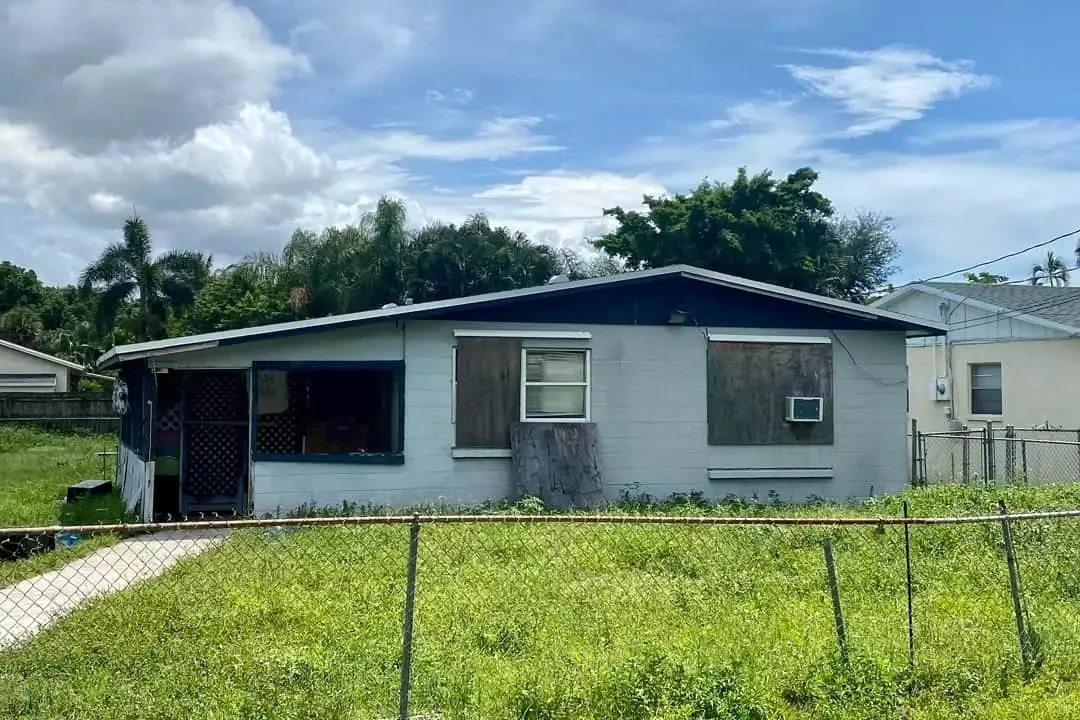
Termite damage can turn a normal sale into a disclosure, inspection, repair, insurance, and financing problem. We review Florida properties with active termites, old damage, failed WDO reports, or wood rot and put the as-is number in writing before you decide.
Get My Cash OfferWhy Termite Damage Scares Away Traditional Buyers
Florida's warm, humid climate makes termite and wood-rot issues common. A traditional buyer may request a Wood-Destroying Organism report, a pest-control clearance letter, repair credits, structural repairs, or a contractor opinion before closing. If the buyer is using financing, the appraiser or lender may also create repair conditions.
Termite damage often stays hidden behind drywall, trim, subfloors, soffits, or attic framing. Once a report mentions active infestation, wood decay, or structural members, many retail buyers either renegotiate hard or walk away because they do not know the true repair scope.
Florida's Termite Risk Is Year-Round
Subterranean and drywood termites both show up in Florida. Standard homeowner policies often exclude pest damage, but you should read your policy and ask your carrier in writing. When reviewing a purchase, Max can look at visible framing, access, moisture, roof, crawlspace, and permit risk instead of treating every termite house as the same problem.
Termite Damage Types We Buy
Formosan Subterranean Infestations
These termites construct large underground nests and build mud tubes to reach wood framing. They target load-bearing studs, sill plates, and subfloors, leaving the exterior wood looking intact while hollowed out inside.
Drywood Termite Colonization
Drywood termites often show up in attics, rafters, window frames, door frames, and trim. Treatment may be localized or may involve fumigation depending on the inspection findings and the pest-control operator's scope.
Wood-Destroying Organism Failures
We buy properties that have failed a WDO inspection. If a buyer's inspector finds active wood-decaying fungi or termite activity, we purchase the home as-is so you don't have to clear the inspection report.
Unrepaired Structural Wood Damage
Often, a home has been treated, but the damaged wood remains. We buy properties with sagging joists or weakened headers. You don't have to hire contractors to sister the framing or rebuild walls.
What Termite Repairs Actually Cost in Florida
Eradicating an active infestation may require localized treatment, bait systems, soil treatment, or fumigation. That still does not fix damaged wood. Ask for a written pest-control scope and, if framing is damaged, a separate contractor or engineer opinion.
The repair decision depends on what is damaged: trim, cabinet bases, subfloor, joists, studs, trusses, sill plates, soffit, fascia, or load-bearing walls. Load-bearing repairs may require permits, engineering, temporary support, and access work. That is why a low treatment quote can still leave a seller with a much larger repair problem.
I Evaluate Wood Damage Directly
I inspect properties with a construction background. I look for the parts of the house that actually carry load, where water entered, what can be accessed without demolition, and what is likely to need a permit. That lets us make a clearer as-is offer instead of guessing from a generic termite estimate.
Treating and Repairing vs. Selling As-Is
| Factor | Traditional Sale | Cash Sale to FL Home Buyers |
|---|---|---|
| Treatment Cost | $1,000-$4,500 | No upfront treatment required by us |
| Structural Repair Cost | $5,000-$40,000+ | Priced into the as-is offer |
| Timeline | 1-3 months for repairs | Set after title and condition review |
| WDO Report Result | May trigger treatment, repair, or credit demands | We accept failed reports |
| Contractor Management | You hire and manage crews | Not needed |
How We Buy Termite-Damaged Homes
Send Us Property Details
Tell us about the property's location and known history. Mention if you have a recent WDO report, treatment proposal, termite bond, contractor bid, or photos of damaged framing.
I Inspect the Structural Damage
I visit the property to check for damage to floor joists, wall framing, and roof trusses. We don't require you to perform any demolition or open up the drywall for us.
Review Our Cash Offer
We offer a cash price based on condition, title, payoff, access, repair risk, and seller timeline. The written offer states seller costs before you decide.
Close the Sale As-Is
Choose a realistic closing date after the title company checks title, payoff, liens, probate, HOA, and occupancy. If we buy the house, treatment and reconstruction become our post-closing responsibility.
What to Gather Before You Spend Money
If you are trying to decide between repair-and-list and sell-as-is, collect these before committing to a contractor:
- WDO report: active infestation, old damage, fungi, beetles, and inaccessible areas.
- Pest-control scope: treatment type, warranty, renewal cost, and what is excluded.
- Repair scope: whether framing, subfloor, trusses, sill plates, or load-bearing walls are involved.
- Permit/engineering risk: whether the repair requires drawings, inspections, or opened walls.
- Net number: expected retail price minus treatment, repairs, commission, credits, carrying costs, and time risk.
Questions About Selling With Termite Damage
Can I sell a house with active termite damage in Florida?
Yes. You can sell it, but do not hide known active infestation, prior treatment, wood decay, or structural damage. Ask your agent, attorney, or title company what written disclosures apply to your sale. A cash buyer can often buy as-is without making you complete treatment and repairs first.
How much does termite damage reduce home value in Florida?
It depends on whether the damage is cosmetic, localized, structural, active, previously treated, or hidden. The best way to compare options is to subtract treatment, repair, commission, buyer credits, carrying costs, and time risk from the likely retail price.
What is a WDO inspection in Florida?
A Wood-Destroying Organism inspection is a written report prepared by a licensed pest-control operator. It may identify active or past termites, wood-decaying fungi, beetles, visible damage, and areas that could not be inspected. Florida Statutes section 482.226 governs these reports.
Who pays for termite repairs before closing a traditional sale?
It is negotiable unless the contract or lender makes it a condition. The seller may pay, the buyer may ask for a credit, the parties may split it, or the deal may cancel. Get any lender or buyer requirement in writing before spending money.
Do I have to tent and fumigate the house before selling to a cash buyer?
No. We purchase homes in their current condition. We manage the tenting, chemical treatments, and structural framing reconstruction ourselves after the transaction closes, so you don't have to coordinate with pest control companies.
Termites Already Did the Damage. Don't Let Repair Costs Do More.
Get a written as-is number before you decide whether to treat, repair, list, or walk away from a buyer's request.
We Review Termite-Damage Properties Across Florida
See local market data and get a written cash offer in your county: