
Last updated: March 2026
Sell a House With HOA Liens or Unpaid Fees in Florida
Last updated: March 2026
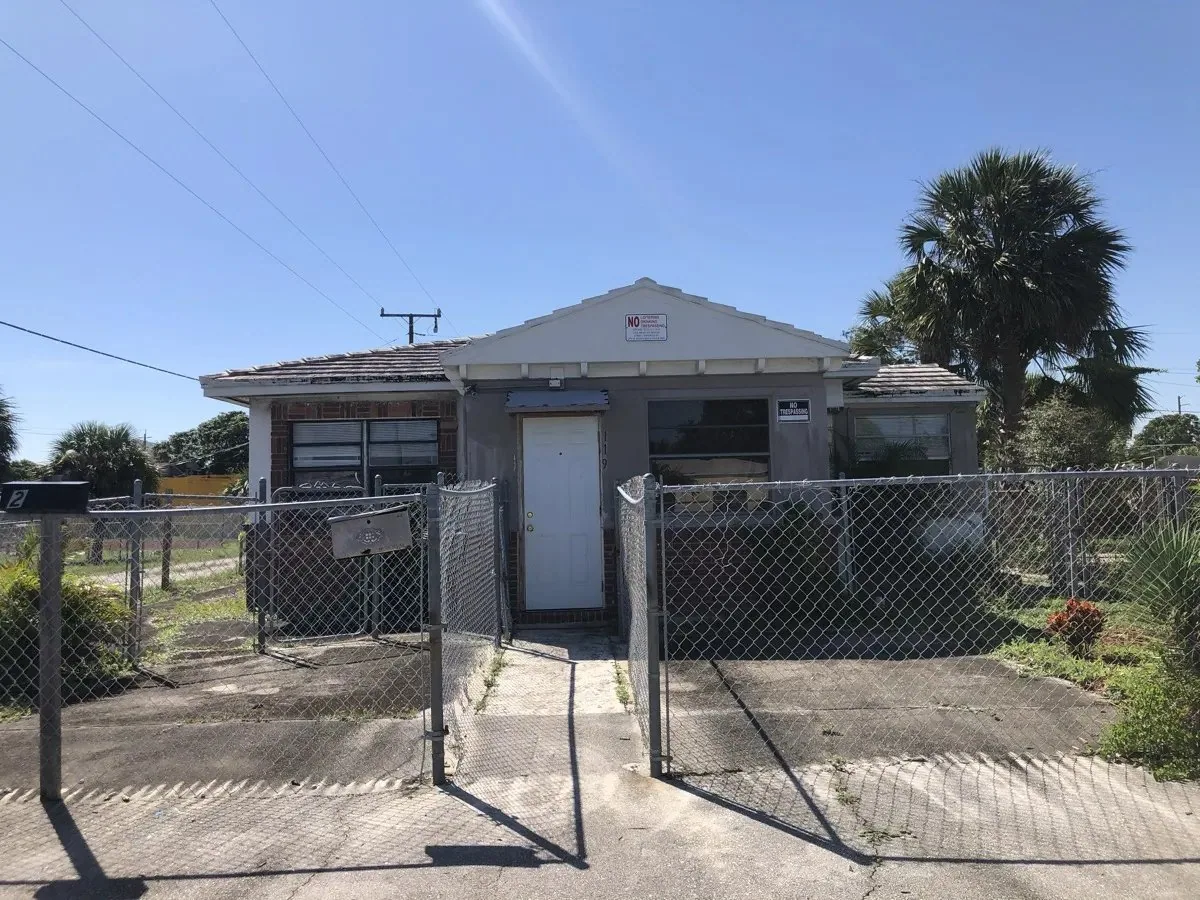
HOA liens, unpaid assessments, or special assessments can block your closing. Fines, late fees, attorney fees, and estoppel delays can all affect your net. We buy Florida homes with HOA debt as-is for cash and show the HOA payoff or settlement assumptions in writing before you decide.
Get My Cash OfferHow HOA Debt Blocks Your Home Sale in Florida
Unpaid HOA fees don't just sit quietly on your account. They can turn into liens, payoff demands, estoppel requirements, and title objections. That means the balance may have to be addressed before a sale can close.
Special assessments, deferred maintenance levies, late fees, and attorney costs can change the seller's net quickly. Before you accept any offer, ask for the current estoppel, payoff amount, pending special assessments, and whether the buyer or seller is expected to pay them.
HOA Liens and Estoppels Matter
Under Florida Statute §720.3085, HOA lien rules can affect what must be paid before title will close. Associations, management companies, and their attorneys may require estoppel letters, payoff figures, and release documents before a sale can finish. We review those numbers with the title company and state the expected seller costs in writing.
HOA Problems We See in Florida
Unpaid Monthly Assessments
Months or years of unpaid dues can create late fees, interest, attorney charges, and payoff requirements that reduce seller proceeds.
Special Assessments
Hurricane repairs, roof replacements, elevator work, reserve studies, or concrete restoration can create assessments a seller did not budget for.
HOA Fines and Violations
Parking, exterior maintenance, landscaping, and use violations can create fines or title questions that need to be reviewed before closing.
Difficult Association Issues
Slow estoppels, unclear records, board disputes, or common-area repair problems can affect timing, buyer confidence, and pricing.
What HOA Debt Actually Costs to Resolve
The HOA balance you remember may not be the final payoff. Late fees, interest, attorney charges, special assessments, transfer fees, and estoppel fees can all change the number. Ask the association or title company for the current estoppel and payoff before deciding whether to list, refinance, pay current, or sell as-is.
Special assessments can be especially hard because buyers, lenders, and title companies may want to know whether the assessment is pending, approved, due in installments, or due at closing. The answer changes your net proceeds and your realistic buyer pool.
How We Review HOA Payoffs
We review HOA balances, estoppels, special assessments, liens, and title-company requirements before closing. If an association or attorney will consider a payoff arrangement, that needs to be documented in writing. The goal is not a verbal promise; it is a clear settlement statement showing what gets paid and what the seller nets.
Resolving HOA Debt vs. Selling As-Is
| Factor | Traditional Sale | Cash Sale to FL Home Buyers |
|---|---|---|
| HOA Payoff Amount | Balance + fees + legal costs, depending on estoppel | Reviewed with title before closing |
| Timeline to Clear Lien | Depends on payoff, estoppel, board, and title requirements | Handled through written closing terms when title allows |
| HOA Cooperation | Unpredictable | We coordinate payoff and closing requirements |
| Special Assessment | You pay in full | Factored into our offer |
| Monthly Fees During Sale | Still accruing | Stop at closing |
How We Buy Homes With HOA Debt
Tell Us About Your HOA Situation
How much do you owe? Are there special assessments, active liens, attorney fees, or estoppel deadlines? Those details determine whether a sale can clear the association balance.
We Pull HOA Records
We request the estoppel or payoff information needed for closing, then review dues, fines, attorney fees, transfer fees, and any association approval requirements.
Cash Offer
The offer accounts for known HOA debt and seller costs. The title company confirms the payoff and final net on the settlement statement before closing.
Close and We Clear the Lien
Closing timing depends on title, estoppel delivery, payoff approval, and association requirements. HOA debt is addressed through the closing statement when the transaction closes.
How the HOA Payoff Math Can Work
If a condo has unpaid dues, special assessments, late fees, attorney fees, or an association lien, those numbers usually have to be resolved through closing. A cash sale does not erase the debt by itself. The practical question is whether the purchase price, payoff amount, title costs, and closing date leave enough net proceeds to make selling worth it. We review that before asking you to sign.
Questions About Selling With HOA Debt
Can I sell my house if I owe HOA fees?
Yes, but the debt usually has to be addressed through the closing statement. If the balance is high, the purchase price, payoff amount, title costs, and equity determine whether a deal works.
Do HOA liens survive a sale?
HOA liens attach to the property, so the title company usually needs payoff and release instructions before closing. The written offer should state how the lien will be handled.
Can the HOA foreclose on my home?
Yes. Under Florida law, HOAs can foreclose for unpaid assessments. This is separate from your mortgage lender's foreclosure. A sale may help resolve the debt, but timing depends on the HOA, title, payoff, court status, and written closing terms.
Will the HOA reduce what I owe?
Sometimes. Some associations or attorneys will consider a reduced payoff when a closing is real and documented, but the HOA controls the approval. Get any payoff or settlement terms in writing.
HOA Debt Shouldn't Trap You in Your Home
We review the HOA balance, estoppel timing, payoff, and title path before putting a cash offer in writing.
We Handle This Situation in Every Florida County
See local market data and get a written cash offer in your county:
Official references: Florida Statutes Section 720.3085. This page is general information for Florida homeowners, not legal or tax advice.