
Sell a Sinkhole House in Florida
Last updated: July 2026
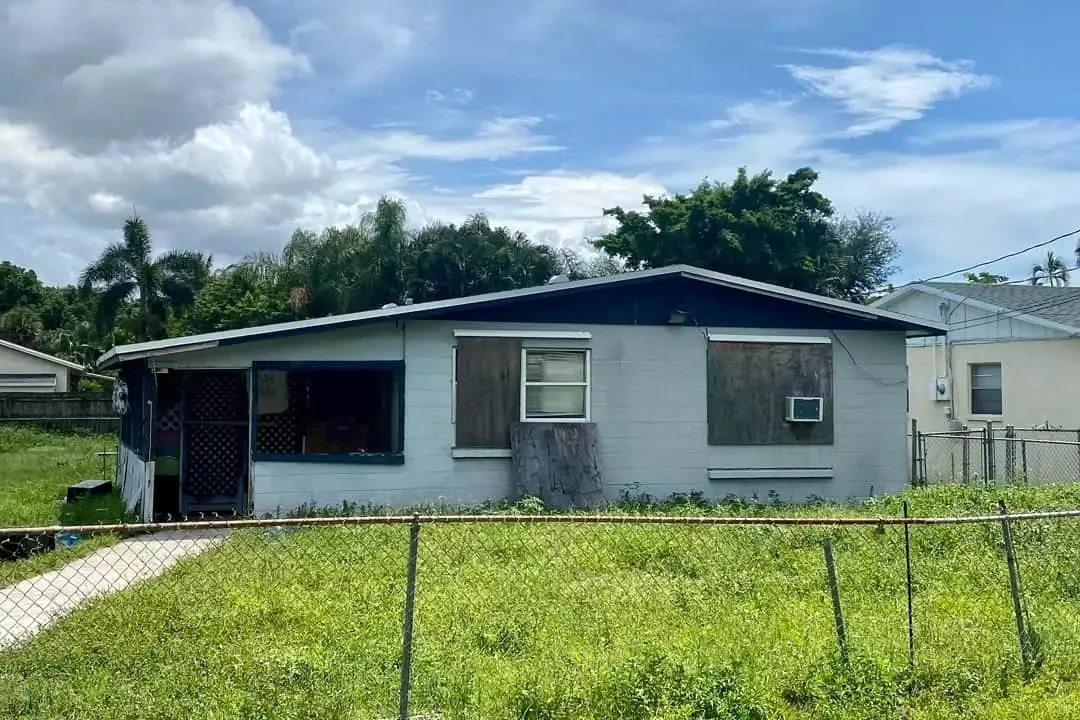
Sinkhole history changes the sale. A buyer may ask for engineering reports, remediation records, insurance details, and lender approval before moving forward. We buy Florida sinkhole homes as-is after a property and title review, and we will also tell you when listing with an agent may leave you better off.
Get My Cash OfferStart by Sorting the Sinkhole Problem
The word “sinkhole” is not the whole problem. The sale usually depends on what is documented, what is still unknown, and what a buyer’s lender or insurance company will accept. Before you spend money on repairs, separate the property into one of these buckets.
Suspected Activity, No Report Yet
You see stair-step cracks, doors sticking, floor slope, a driveway depression, or new gaps around windows, but no engineer or geologist has confirmed the cause. A retail buyer may ask for testing before closing.
Confirmed Sinkhole Activity
There is a geotechnical report, insurance file, claim denial, or remediation proposal. This is where financing, insurance, repair scope, and disclosure become the main sale issues.
Remediated Sinkhole
Grouting, underpinning, or other stabilization was completed. The buyer will still want the repair contract, permits, warranty, monitoring records, and any claim documents.
Insurance or Claim Dispute
The insurer denied the claim, paid less than the repair bid, or the claim is still open. That can slow title review and make a normal sale harder to keep together.
What I Would Ask on the First Call
Before asking you to sign anything, Max Cohen, founder of FL Home Buyers, would want to know:
- Has anyone tested the property, and do you have the report?
- Was an insurance claim opened, denied, paid, or assigned?
- Were repairs completed, permitted, and warrantied?
- Is the house occupied, vacant, tenant-occupied, inherited, or in foreclosure?
- What is the mortgage payoff, and are there liens, code fines, or open permits?
What Can Delay or Stop Closing?
A sinkhole sale can still close, but these are the issues that usually create delays. If any of them apply, tell the buyer early.
Financing and Insurance
A financed buyer may need lender approval, insurance approval, and clean documentation before closing. If the property has active movement or missing reports, the loan can fail late.
Missing Repair Records
If remediation was done years ago, missing permits, warranty papers, engineering letters, or monitoring records can make buyers nervous even when the house looks stable.
Payoff and Equity
If you owe more than the as-is value, a sale may require lender approval, extra cash at closing, or a short-sale discussion. We review the payoff before pretending a closing is simple.
Title, Probate, or Liens
Probate, tax liens, code fines, divorce orders, and open permits can all affect timing. We close through a Florida title company so these are checked before closing day.
Repair First or Sell As-Is?
Do not decide from the repair bid alone. Compare the whole number: retail price after repair, repair cost, holding costs, buyer concessions, commissions, payoff, and the risk that a financed buyer cannot close.
| If this is true | What To weigh |
|---|---|
| You have a clean remediation file | Ask a local agent whether retail buyers in your county are accepting remediated sinkhole history. Listing may be worth trying if the numbers still work. |
| The issue is active or untested | Get a written repair range and compare it to your net proceeds. A cash offer can be useful as the baseline number. |
| The insurance claim is disputed | Ask your attorney or adjuster what happens to the claim at sale. Some claims or benefits may need specific closing language. |
| You owe too much | Before signing, compare payoff, liens, and closing costs to the expected as-is price. If the sale cannot pay off the loan, talk with the lender or an attorney about options. |
Simple Net Check
Estimated sale price minus repair scope, closing costs, commissions, holding costs, concessions, payoff, and liens equals the number that matters. If that number is better after a normal sale, use an agent. If the repair, insurance, or financing risk eats up the upside, compare a written as-is offer.
How We Review a Sinkhole Property
Collect the Documents
Reports, claim letters, repair invoices, permits, photos, payoff, and title concerns all help us avoid guessing.
Walk the Property
We review visible settlement, foundation cracks, drainage, interior damage, repair scope, and whether the home has other issues like roof age, mold, tenants, or open permits.
Put the Number in Writing
The written offer reflects property condition, title, occupancy, timeline, and likely repair scope. We use a Florida purchase agreement and close with a title company.
Close When the File Is Ready
If title, payoff, seller authority, and occupancy are clean, closing can move quickly. Open claims, probate, liens, or missing documents can add time.
Official Sources to Check
This page is practical seller guidance, not legal or insurance advice. For a sinkhole property, compare what your contractor, engineer, insurer, attorney, and title company say against the official sources below.
Questions About Selling a Sinkhole House
Can you sell a house with sinkhole damage in Florida?
Yes. The hard part is not the deed transfer; it is buyer confidence, disclosure, financing, insurance, and repair documentation. A cash buyer can remove lender approval from the sale, but title and seller authority still need to be clean.
Do I have to remediate before selling?
Not necessarily. Some sellers repair first because it improves the retail sale. Others sell as-is because the repair cost, time, and uncertainty do not make sense. The right answer depends on equity, claim status, repair scope, and how long you can hold the house.
What if I owe more than the house is worth as-is?
Then the payoff has to be reviewed before you rely on any offer. If the sale price will not cover the mortgage and closing costs, you may need lender approval, extra cash at closing, or advice from an attorney about short-sale and foreclosure alternatives.
What documents should I gather?
Reports from engineers or geologists, insurance claim letters, remediation invoices, permits, warranty documents, photos, payoff statements, lien notices, and any letters from the county or city. Missing documents do not stop us from reviewing the property, but they affect price and timing.
When is a cash sale not the best answer?
If the home is fully remediated, well documented, insurable, and you have enough time to list, an agent may get you a higher gross price. A cash offer is most useful when repair risk, timing, payoff, occupancy, title, or insurance issues make a normal sale uncertain.
Need a Baseline Number Before You Decide?
Send what you know about the sinkhole history, claim status, repair scope, and payoff. We will review it and put the as-is number in writing.
We Handle This Situation in Every Florida County
See local market data and get a written cash offer in your county:
Before spending on remediation
Compare three sinkhole sale paths before you choose
Repair then list
May make sense when the report is clear, repairs are fundable, warranty transfer is clean, and the repaired retail net beats the as-is path after time and disclosure risk.
List as-is
May work when the seller has time, strong documentation, equity, and a local agent who understands sinkhole disclosure, buyer financing, and insurance objections.
Sell directly
Most useful when reports are missing, claim status is messy, payoff is tight, repairs are not affordable, or a financed buyer is unlikely to get comfortable before closing.