
Start with the failed condition
A hard-to-insure Florida home can still be sold. First identify why coverage is unavailable or expensive. Then compare the cost and time to fix that condition with an as-is listing or direct cash sale.
Find out why the carrier said no
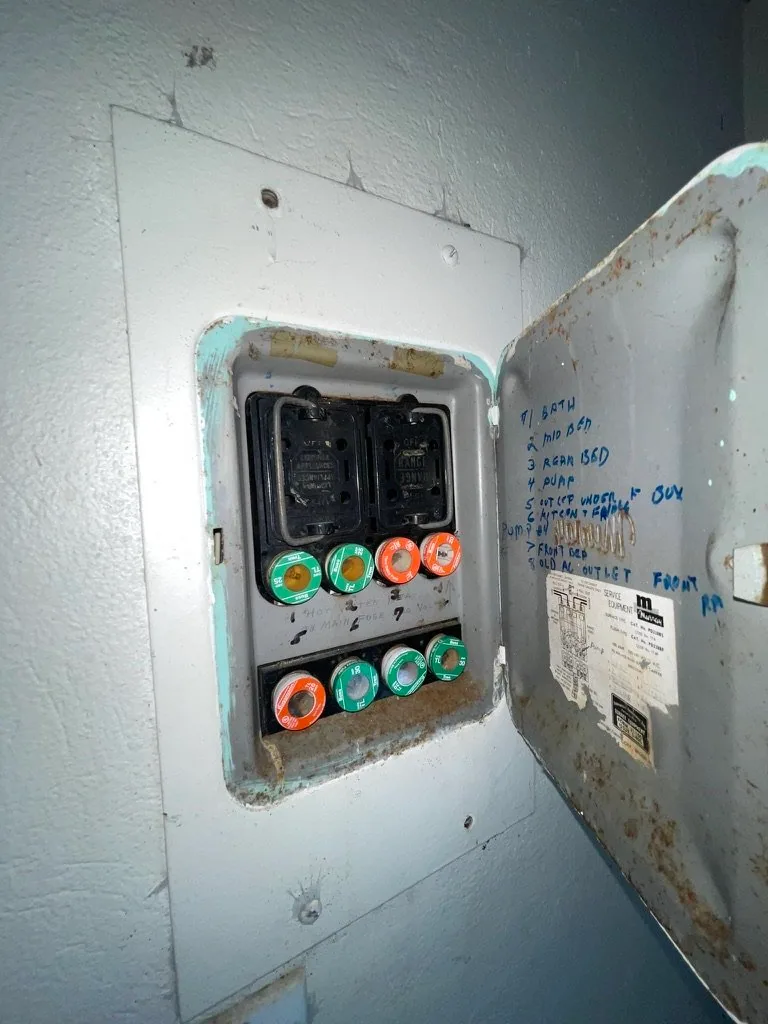
Ask for the written inspection finding, quote condition, nonrenewal notice, or underwriting reason. A vague statement that the house is uninsurable does not tell you what needs to change. Common property-level issues include roof condition, an outdated electrical panel, active leaks, plumbing concerns, unrepaired openings, prior loss history, vacancy, and flood exposure.
The Florida Department of Financial Services provides a homeowners insurance guide and explains that four-point inspections commonly address roof, electrical, plumbing, and HVAC systems. Use a licensed insurance agent and qualified property professional to confirm the exact issue.
Collect the records before choosing a repair
Gather the four-point and wind-mitigation reports, roof permits, claim letters, repair invoices, inspection findings, and written quote conditions you already have. Those records help separate a documentation problem from an active property defect. They also make contractor bids easier to compare and give a future buyer a clearer picture of what was completed. Do not authorize a large repair based only on a verbal comment from a carrier or buyer.
Why a signed financed contract can still fail
A mortgage lender may require the buyer to bind acceptable coverage before closing. If the buyer cannot obtain it, the lender may withhold final approval. The parties may then face a repair demand, price change, extension request, or cancellation under the contract.
This risk is highest when insurance is handled near the end of the inspection period. Sellers can reduce the surprise by sharing known reports and asking prospective financed buyers to address insurance early.
Repair only after you understand the full scope
Replacing one visible item may not solve the underwriting problem. A new roof will not cure an unsafe panel, and an electrical repair will not close an open water claim. Get written bids and ask the insurance professional what documentation the carrier will require after the work.
For permitted work, keep the final inspection and contractor records. For a prior claim, keep proof of repairs and claim status. If the damage involves mold, structural movement, or a failed system, use the appropriate licensed professional rather than guessing from photos.
Compare the sale paths by net proceeds
Repair and list
This path can produce the strongest price when repairs reopen the financed-buyer pool and the seller has time to complete the work. Include permit time, carrying costs, inspection risk, and the possibility that another issue appears after repair.
List as-is
An as-is listing exposes the property to more buyers, including investors, but the seller still needs to disclose known facts and manage inspection and insurance conditions. The list price should account for the actual condition and available buyer pool.
Sell to a cash buyer
A cash buyer has no mortgage lender requiring coverage before the purchase. That can remove one closing condition. The buyer still accounts for repair, holding, resale, and insurance costs when setting the price, so compare written terms rather than assuming cash means full market value.
What cash does not fix
Cash does not clear a mortgage, lien, open probate, title dispute, unpaid taxes, association balance, or code requirement by itself. The title company still needs enough time and sale proceeds to resolve the items required for a transfer.
If the expected price is below the mortgage and other debts, a short sale or creditor agreement may be needed. Read our Florida short-sale guide before accepting a price that cannot cover the payoff.
When listing is still the better choice
A retail sale may produce more when the insurance issue is narrow, the repair is affordable, title is clean, and the seller can wait. Ask an agent for condition-adjusted comparable sales and ask an insurance professional whether the proposed repair is enough to support coverage. Use both answers before choosing a sale path.
What FL Home Buyers can review
We can inspect the house as it sits, identify the repairs assumed in our pricing, review the seller's timeline, and coordinate title work for a proposed cash purchase. We cannot declare a house insurable, settle an insurance claim, make coverage decisions, or promise that another buyer can obtain a policy.