
How to Sell a House With a Sinkhole in Florida
Last updated: July 2026
Quick Answer
Yes, you can sell a house with sinkhole damage or sinkhole history in Florida. Known sinkhole reports, repairs, claims, and visible symptoms should be disclosed. A cash buyer may be useful when a traditional buyer's lender or insurer will not get comfortable with the property, but a repaired and well-documented home may still be worth testing on the open market.
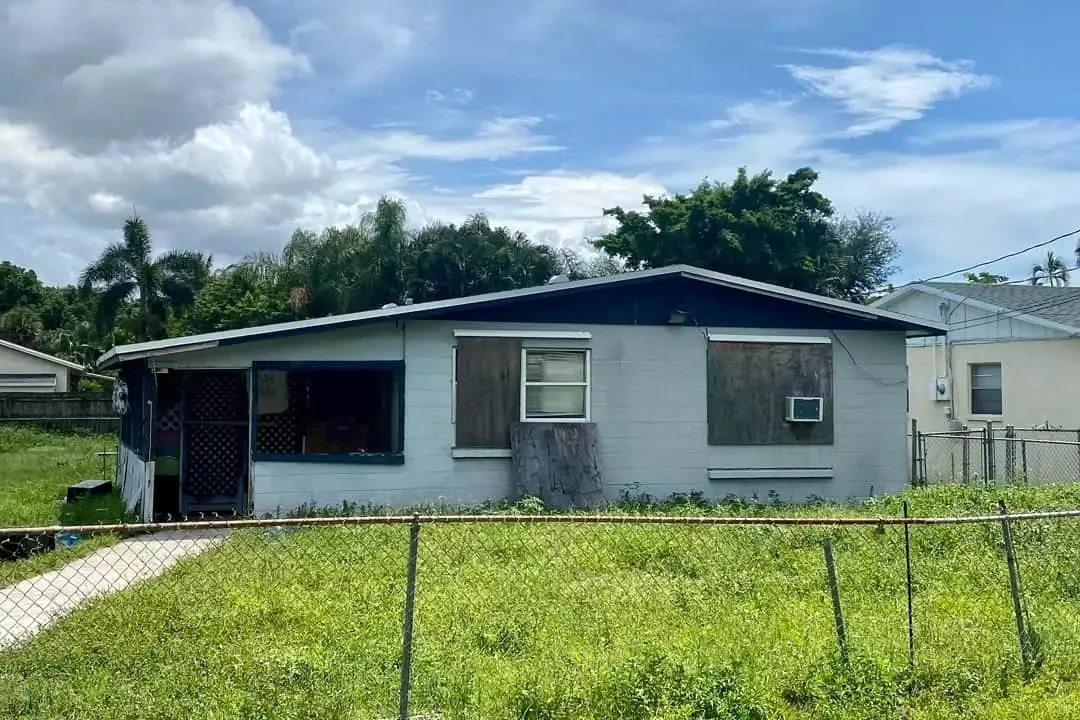
Palm Bay: Sinkhole Concerns After Hurricane
A storm-damaged house can show uneven settlement after heavy rain or hurricane flooding, and geotechnical opinions can disagree on whether the cause is sinkhole activity or saturated-soil settlement. Sellers can spend thousands on testing and still need a buyer willing to price the uncertainty.
Florida Sinkhole Disclosure Laws
Florida sinkhole reporting and disclosure questions can involve insurance files, engineering reports, public records, and ordinary seller-disclosure duties. If testing, claims, or repairs exist, gather the report, claim letters, repair documents, permits, warranty information, and photos before talking to a buyer. Full disclosure protects the seller and lets the buyer price the actual risk instead of guessing.
Sinkhole Repair Costs in Florida
Sinkhole remediation can range from minor cosmetic repair after documentation to major stabilization work. The number depends on the engineer or geologist's findings, whether movement is active, whether prior repairs were completed, and whether the work involves grouting, underpinning, drainage, foundation repair, or interior cosmetic repairs. Do not decide from a rough repair number alone; compare the repair path to the as-is sale number, payoff, holding costs, and buyer-financing risk.
Why Sinkhole Homes Are Hard to Sell Traditionally
Traditional buyers may face three hurdles with sinkhole properties: financing, insurance, and confidence in the repair history. A buyer with a mortgage may need lender approval, insurability, reports, and enough documentation to keep the deal together. That does not mean every sinkhole property is unsellable, but it does mean missing reports or active movement can narrow the buyer pool quickly.
Florida's Sinkhole Belt
Parts of Central Florida have more sinkhole concern because of limestone geology, drainage, soil conditions, and prior claim history. Pasco, Hernando, Hillsborough, Pinellas, Marion, and nearby areas often come up in buyer questions. If you notice stair-step cracks, sticking doors, sloping floors, new depressions, or prior claim documents, treat the issue seriously and gather records before deciding how to sell.
Sinkhole Insurance in Florida After 2011 Reforms
Senate Bill 408, signed in 2011, fundamentally changed sinkhole coverage in Florida. Before the reform, standard homeowners policies covered sinkhole loss. After SB 408, insurers are only required to cover "catastrophic ground cover collapse," a narrow definition that requires three conditions simultaneously: actual structural damage to the building, a visible depression or hole in the ground surface, and a government authority condemning or ordering evacuation of the property.
The practical takeaway is simple: do not assume your policy covers every form of settling, cracking, or subsurface movement. Read the policy, claim decision, and any engineering report carefully. If the claim was denied or only partially paid, that history should be part of the pricing conversation.
Tested vs. Untested: How It Affects Your Sale
A confirmed sinkhole report changes the property permanently. Once a geological investigation confirms sinkhole activity and that report is filed, it attaches to the property's disclosure record for every future sale. You're required by Florida law to provide the report to any buyer, and it shows up on CLUE insurance history reports that lenders and insurers pull during underwriting.
If your property is untested but showing visible symptoms, do not pretend the issue does not exist. Buyers may ask for testing, credits, insurance confirmation, or repair documentation. Testing may clarify the problem, but it can also create a record that affects pricing. Talk with your insurance professional, attorney, engineer, or agent before ordering expensive testing solely because a buyer asked for it.
Our Process for Buying Sinkhole Homes
FL Home Buyers reviews sinkhole and foundation-risk properties across Florida. The first step is not a sales pitch; it is document review. Reports, claim letters, repair invoices, photos, permits, payoff, occupancy, and title issues all affect the number.
Max Cohen reviews the visible structural condition before we put terms in writing. The offer should account for the known reports, missing information, likely repair scope, title status, seller costs, and realistic closing timing. If the property is better suited for a retail listing after proper documentation, we will tell you that too.
Florida Statute 627.706: Catastrophic vs. Non-Catastrophic
Florida law splits sinkhole damage into two categories, and the distinction controls what your insurance will actually cover. "Catastrophic ground cover collapse" under Statute 627.706 means visible ground depression, structural damage to the building, and a government authority condemning or ordering evacuation. Standard homeowners policies are required to cover this category.
"Sinkhole loss" is a broader insurance concept than catastrophic ground cover collapse. The difference matters because a visible crack pattern, floor separation, or settling issue may not be treated the same way as a catastrophic collapse. Your policy, claim letter, and any engineering report matter more than a generic online answer.
What Sinkhole Testing Involves
Sinkhole testing may include an engineer or geologist review, property inspection, aerial or historical review, geophysical testing, soil borings, and a written report. The scope depends on the property and the reason for testing.
Before ordering testing, ask who will receive the report, whether it becomes part of the claim or disclosure file, and how the result affects the sale. If a report already exists, send it before the walkthrough so the buyer does not price the property from fear alone.
Repair Methods for Sinkhole Damage
Sinkhole and settlement repairs can include compaction grouting, chemical grouting, underpinning, drainage changes, foundation work, and cosmetic repairs. The right method depends on the report, soil conditions, active movement, structure, and repair objective.
The seller's question is not just "what does repair cost?" It is whether repair creates enough additional resale value to beat an as-is sale after holding costs, disclosure issues, insurance questions, commissions, and buyer concessions.
How Cash Buyers Handle Sinkhole Properties
The two biggest barriers are usually buyer financing and insurance confidence. A financed buyer may need documentation that satisfies the lender and insurer. If the file is incomplete, the deal can fall apart late.
A cash buyer does not need a buyer mortgage approval, but the condition still matters. We review the report if one exists, factor the history and remaining uncertainty into the offer, and write the terms clearly. If you are sitting on a sinkhole property that financed buyers keep rejecting, call (561) 258-9405 or request a cash offer.
Related Questions
Get a Cash Offer
We review the property as-is, state seller costs in writing, and explain what has to be resolved before closing.