
Can You Sell a House in Probate in Florida?
Last reviewed: July 2026

Max Cohen
Licensed General Contractor · FL Home Buyers
Quick Answer
Yes, you can sell a house in probate in Florida. Once the personal representative receives Letters of Administration from the court, they have legal authority to sell the property. We buy probate properties for cash and can close quickly, even before probate is fully complete.
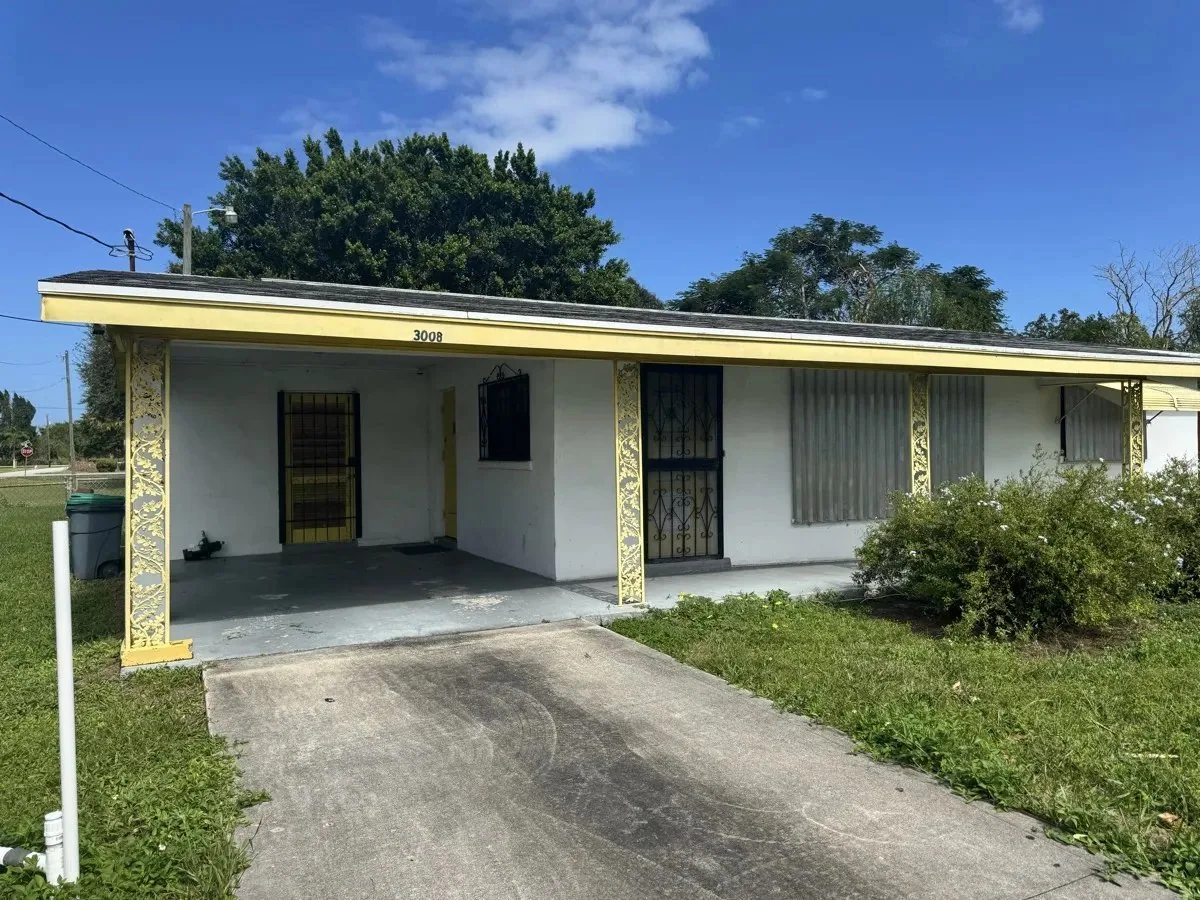
Lake Worth: Probate With Title Issues
An inherited home can involve both probate court approval and a title cloud from an old lien. In that situation, the probate attorney and title company need to work in parallel so the court authority and title clearance are ready before closing.
How Probate Sales Work in Florida
When someone passes away and leaves real estate, the property typically goes through probate, a court-supervised process to settle the estate. Many families assume they have to wait until probate is complete to sell, but it's unlikely to be true.
In Florida, the personal representative (also called the executor) can sell estate property with proper court approval. Here's how it works:
- Step 1: The personal representative files probate and receives Letters of Administration
- Step 2: They consult an attorney and get court approval to sell (if required)
- Step 3: The property is sold, and proceeds go into the estate account
- Step 4: Proceeds are distributed to heirs after debts are paid
Why Families Sell During Probate
There are many reasons to sell a probate property before the process is complete:
- Avoid carrying costs, mortgage, taxes, insurance, and maintenance add up fast
- Property is out of state, managing a house from afar is difficult
- Needs repairs, neglected properties can deteriorate quickly
- Multiple heirs disagree, selling is often the easiest way to divide an estate
- Estate needs cash, to pay debts, medical bills, or funeral expenses
How We Buy Probate Properties
At FL Home Buyers, we specialize in probate purchases. We understand the legal process and work with probate attorneys and title companies experienced in estate sales. Here's what we offer:
- Cash offers, no mortgage financing contingency, with closing timing based on title, authority, and seller documents
- Buy as-is, with repair, cleaning, and staging assumptions priced into the written offer
- Flexible timing, based on court authority, title clearance, heir signatures, and your preferred closing date
- Coordinate with your attorney, so the offer matches the probate authority and title requirements
- Seller costs stated in writing, so the estate can compare the net number before signing
Personal Representative Powers Under Statute 733.613
Florida Statute 733.613 is one statute attorneys and title companies look at when deciding whether a personal representative can sell estate real estate. The answer depends on the will, Letters of Administration, homestead status, court orders, beneficiary objections, and title-underwriter requirements.
The personal representative has fiduciary duties to the estate. Before accepting an offer, ask the probate attorney whether an appraisal, beneficiary notice, written consent, court approval, or other documentation is prudent for this estate.
When Court Approval Is Required
Court approval may be needed when the will does not clearly grant sale authority, when a beneficiary objects, when homestead rights are involved, or when the title company requires an order before insuring the sale.
If a petition or order is required, the timing depends on the county, court calendar, notice requirements, objections, and whether beneficiaries cooperate. Do not plan a closing date until the probate attorney and title company confirm what documents are needed.
Title Insurance Complications in Probate Sales
Title companies usually review probate sales more closely than standard transactions. They may ask for certified Letters of Administration, death certificate, will, court orders, homestead documents, affidavits, or other estate records before insuring title.
Some title underwriters won't issue a policy until the 90-day creditor claims period has expired, because a creditor claim filed after closing could cloud the title. Other underwriters will insure during that period but hold a portion of the sale proceeds in escrow as protection. A probate-experienced title company can tell you which requirement applies before everyone plans around an unrealistic closing date.
How Cash Buyers Streamline Probate Sales
A cash buyer can reduce buyer-financing friction in a probate sale because there is no mortgage underwriting or lender appraisal condition. Probate authority, title, payoff figures, creditor-claim issues, court requirements, and estate documents still control whether and when the sale can close.
We coordinate with the probate attorney and title company to line up documents in advance. Once the personal representative has authority to sell, closing timing depends on title, payoff figures, creditor-claim requirements, court requirements, and estate documents. That can help the estate stop paying mortgage, insurance, taxes, and maintenance once the sale actually closes.
If you're a personal representative dealing with a probate property, call us at (561) 258-9405 or request a written cash offer. We'll give you a straight answer about what your property is worth and how fast we can close.