
How to Sell a House in Probate in Florida (2026 Guide)
Last updated: October 10, 2026
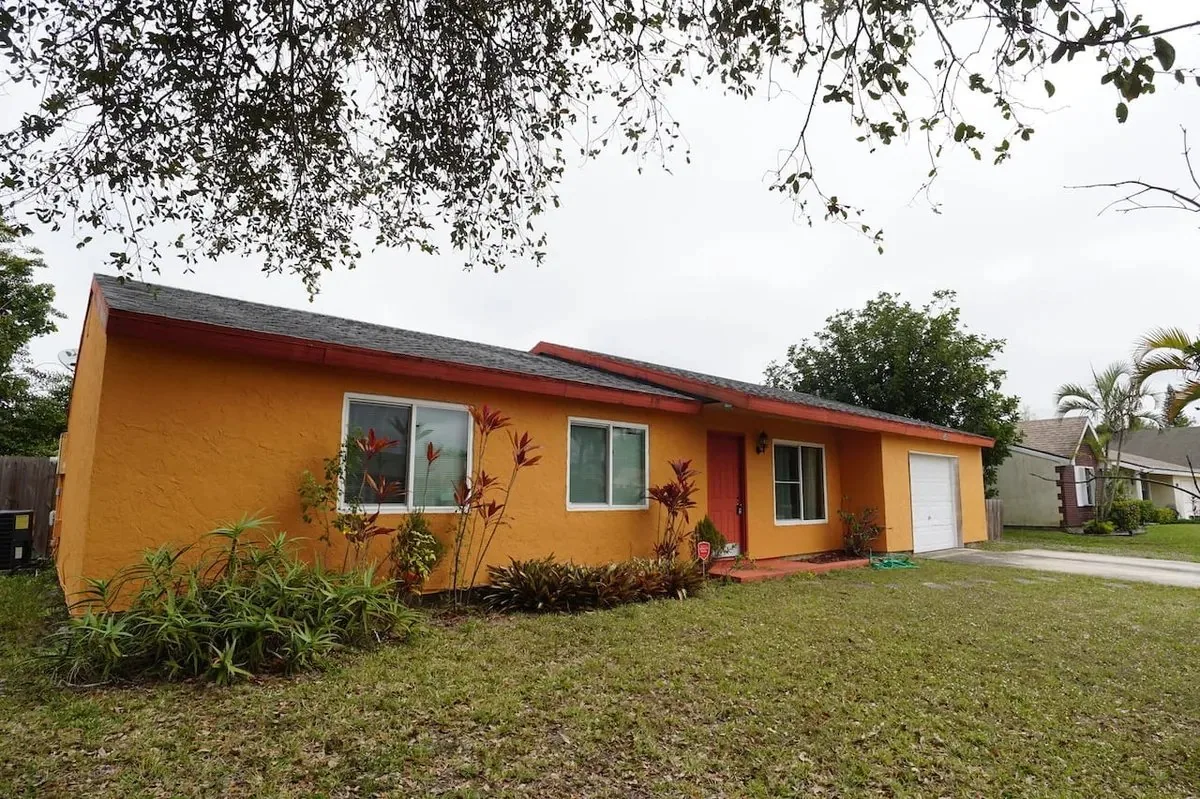
Confirm authority, resolve the title requirements, and compare written sale terms before choosing a closing date. The estate's legal path determines what can happen next.
Written by Max Cohen
Founder, FL Home Buyers · Florida real estate since 2014
Quick Answer
Can you sell a house in probate in Florida? Often, yes, but authority matters. The personal representative, will, court file, title company, creditor claims, and beneficiary issues all affect who can sign and when the sale can close. Cash buyers can be useful because they do not need mortgage approval and can coordinate around probate timing, but the attorney and title company should confirm the sale path before a deadline is promised.
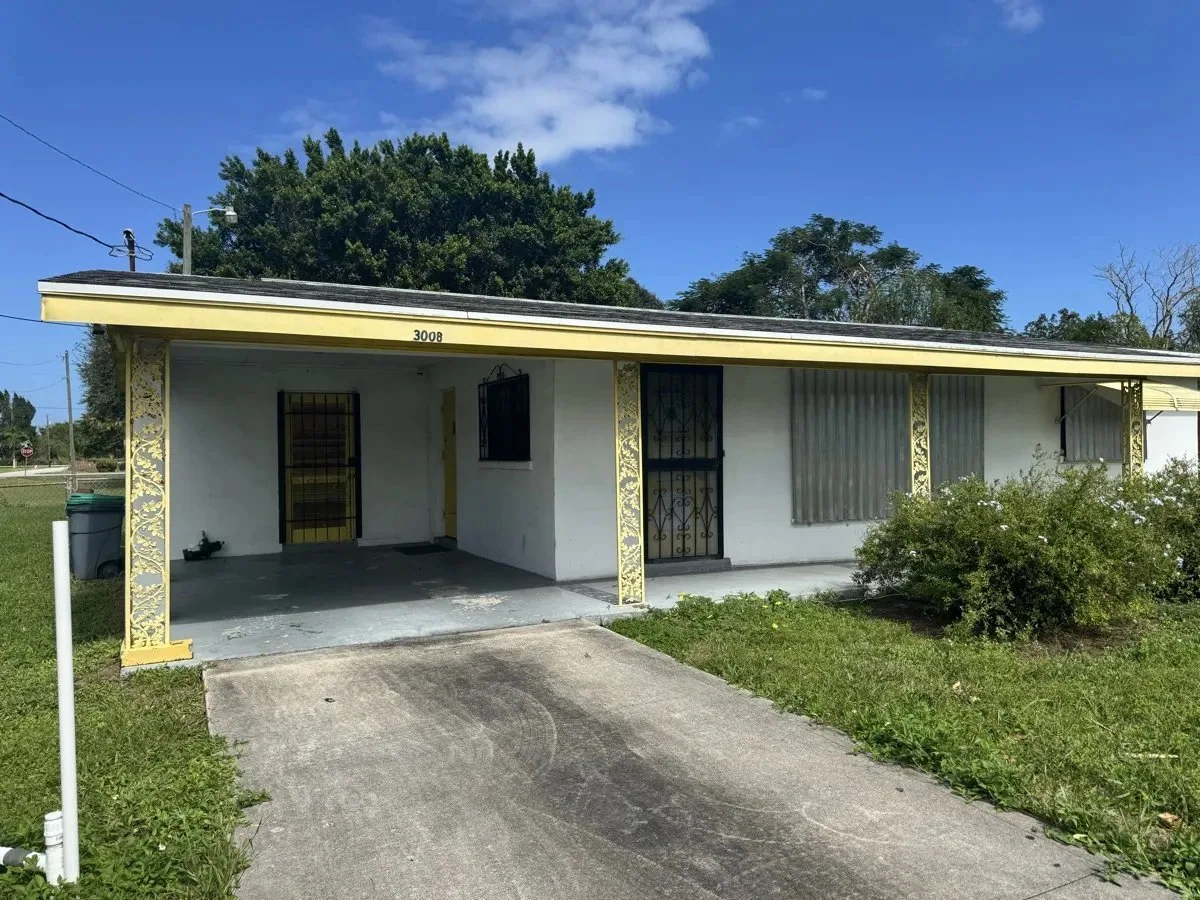
Table of Contents
What probate resolves before a property sale
Probate addresses a deceased person's probate assets, claims, and distribution. Formal administration involves a court-appointed personal representative. The appointment, will, property ownership, court orders, and title requirements determine the representative's role in a house sale.
Begin with the recorded deed and the estate documents. A trust, survivorship ownership, or Florida homestead issues can change who owns or may transfer the property. Ask the probate attorney to confirm the actual seller before a family member signs an agreement on the estate's behalf.
Formal and summary administration have different requirements
The current eligibility rule is in Florida Statute 735.201. Summary administration may be available when the estate subject to administration in Florida, less creditor-exempt property, does not exceed $150,000, or the person has been dead for more than two years. If there is a will, it must not direct administration under Chapter 733. The attorney should apply the complete test rather than using the house's asking price or a mortgage-adjusted estimate alone.
- Formal administration
- Appointment of the personal representative, the will's powers, any required court authorization, beneficiary or creditor issues, and title requirements.
- Summary administration
- Eligibility, the petition and order, creditor handling, who receives the property, and who must sign its later transfer.
Section 735.206 describes summary-administration creditor handling and distribution orders. This is not the same sequence as appointing a personal representative in formal administration. Ask which order and recorded documents the closing agent will require.
Authority to sell depends on the will and the court record
A probate house may sell before the estate is fully administered. Under Florida Statute 733.613, a personal representative with sufficient power of sale under the will can have authority to sell without a separate order. In other circumstances, court authorization or confirmation is required. Appointment alone does not resolve every sale requirement.
Have the attorney and closing agent review the proposed contract, the actual power of sale, any orders limiting authority, homestead issues, and required notices or signatures. An agreement should identify who is signing and what happens if an approval or title requirement is still outstanding at the proposed closing date.
Prepare the sale in the order the documents support
- Give the attorney and closing agent the deed, death certificate, will, appointment or summary-administration documents, and any pending court papers.
- Confirm the seller, signing authority, required orders, and title objections. Ask which items must be resolved before signing and which can be conditions of the contract.
- Obtain current mortgage payoffs, tax and association balances, and lien information. Agree on how sale costs and any shortfall will be handled.
- Confirm access, occupancy, insurance, maintenance, belongings, and required disclosures. Preserve records of estate and family expenses.
- Compare written offers with a supported listing estimate. Review deposits, financing or funding, inspection rights, cancellation terms, and closing conditions.
- Have the attorney and closing agent approve the closing documents and instructions for proceeds. Keep the settlement statement and confirm what estate work remains afterward.
Build the closing target around unresolved steps
There is no statewide week-by-week schedule that guarantees a probate closing. Missing documents, notices, a contested will, disputed ownership, creditor issues, court availability, or a buyer's conditions can change the date. Ask the attorney to identify the next required step, its owner, and the evidence that will show it is complete.
The creditor claim rules in section 733.702 also need estate-specific review. They do not create one universal waiting period for every house sale. Our probate timing answer separates transferring the house from completing administration and distributing proceeds.
Compare a cash offer with listing in the current condition
A cash purchase can avoid the buyer's mortgage underwriting and may reduce repair or showing work. Review the actual funding, deposit, inspection rights, assignment terms, seller costs, and cancellation conditions. “Cash” does not establish that a buyer has funds or that the contract has no conditions.
A listing can expose the property to more potential buyers, including buyers who will accept its current condition. Compare realistic net proceeds and the work required under each route. Neither route resolves probate authority or title by itself. FL Home Buyers can review a property while the attorney confirms the legal path, then put proposed purchase terms in writing.
Avoid committing before authority and costs are clear
Do not assume that being named in a will makes someone ready to convey the house, that every sale needs the same order, or that a purchase contract ends probate. Keep estate funds and family advances documented, and confirm who can authorize repairs or changes to occupancy.
Request written professional fee terms and identify what services are included. A percentage shown in a statute or online article is not a complete quote for this estate. Ask about additional work, court costs, tax preparation, disputes, and title-related expenses.
Frequently Asked Questions
Does every probate house sale require separate court approval?
No. The will's power of sale and other estate facts affect the need for an order. The probate attorney and closing agent should confirm the authority and title requirements for this property.
Does every heir sign the deed?
The answer depends on ownership and the sale path. An authorized personal representative may sign an estate conveyance; a sale by co-owners has different requirements. Homestead, notices, and court orders can affect the result.
Does the sale finish probate?
No. A closing may occur while other administration remains. The attorney should confirm where the proceeds belong and when they can be distributed.
Can we choose a buyer before every document is ready?
A buyer can review the property, but have the attorney review signing authority and any conditions before a contract is signed. Do not promise a closing date that depends on an unconfirmed order or title issue.
For the property budget, family decisions, and tax records to gather, see the inherited-house selling guide.
Selling a Probate Property in Florida?
We review probate properties as-is and work with the title company, attorney, and family timeline before setting closing expectations.
Learn About Our Probate Process
Max Cohen
Founder · Buying Florida homes since 2014