
How to Sell an Inherited House in Florida (2026 Guide)
Last updated: October 10, 2026
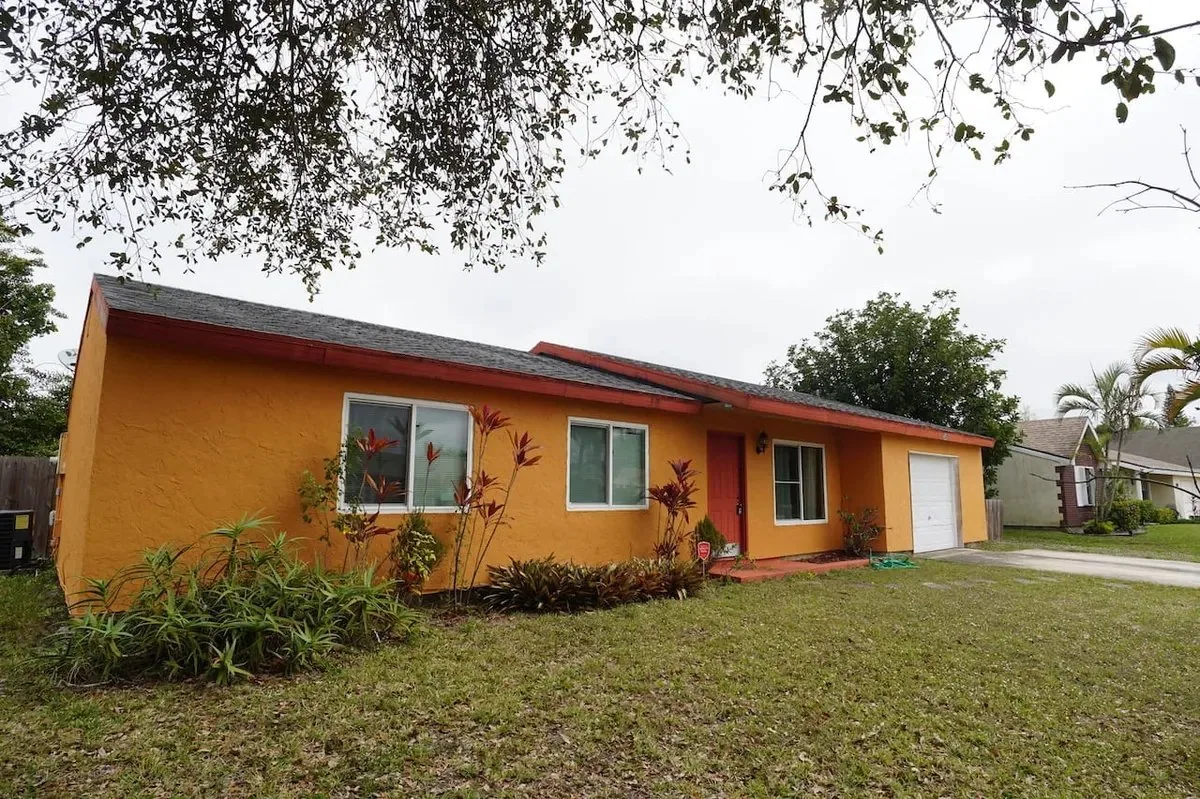
Confirm who can sell, collect the property and tax records, and compare what each option leaves after costs. The best choice depends on the house, the estate, and the people involved.

Written by Max Cohen
Founder, FL Home Buyers · Florida real estate since 2014
This guide explains property-sale decisions using current official references. A Florida attorney should apply probate and ownership rules to the estate, and a tax adviser should review the sale reporting.
Quick Answer
An inherited Florida house can be sold when the authorized owner or representative can meet the title and closing requirements. Some ownership arrangements provide a path outside probate; other sales need estate administration or court orders. Compare sale proceeds, carrying costs, and family needs before choosing a buyer.
Table of Contents
Start with the deed and the person authorized to sell
Before paying for a cleanout or promising a closing date, send the recorded deed, death certificate, will or trust, and any probate orders to a Florida probate attorney and the closing agent. Being named in a will does not by itself establish who can sign a contract or deed.
The house may be part of an estate, owned by a surviving co-owner, held in a trust, or affected by Florida homestead rules. The documents determine the path. Ask for a written list of the signatures, orders, lien releases, and other title requirements that remain. Our probate sale guide explains the estate-sale steps.
Ownership arrangements that can change the probate process
Survivorship ownership, property properly held in a trust, and certain deeds can provide a transfer path outside probate for the house. Each requires document and title review. A trust name on a family folder does not prove that the deed transferred the property into that trust; a deed described as a Lady Bird deed still needs review of its actual terms and execution.
A surviving spouse, trustee, or beneficiary should confirm the authority and supporting documents before signing. Florida homestead protections can affect ownership and creditor treatment. Avoid treating “outside probate” as a promise that the whole estate has no remaining legal work.
If court administration is needed, Florida Statute 735.201 sets the current summary-administration test: the estate subject to Florida administration, after subtracting property exempt from creditor claims, must not exceed $150,000, or the person must have been dead for more than two years. For an estate with a will, the will must not direct administration under Chapter 733. Have the attorney apply those conditions; the home's asking price alone is not the test.
Keep tax-basis records separate from the offer price
IRS Publication 551 explains that inherited property usually uses a date-of-death fair market value basis, with alternate valuation and other exceptions. Ownership arrangements, the inherited share, and later adjustments can change the result. The basis can decrease and increase.
Ask the tax adviser what valuation support is needed and preserve appraisals, estate tax information, improvement records, and the final closing statement. A buyer's offer is not a tax-basis determination. Selling soon after a death does not automatically mean there is no taxable gain or no return to file.
Keep the sale's tax calculation separate from mortgage payoffs and cash received at closing. A low cash balance after repaying debt does not by itself establish a low taxable gain. Have the adviser identify who reports the sale and whether the estate, trust, or individual owners have filing obligations.
Prepare the property and documents before choosing a sale path
- Confirm who can authorize access, repairs, a listing, and a sale. Keep the attorney and closing agent involved when authority is pending.
- Check occupancy, leases, keys, utilities, insurance, and any urgent maintenance. Contact the insurer about the actual occupancy and condition instead of assuming the previous policy covers a vacant house.
- Collect mortgage statements, tax bills, association notices, permits, known defects, and lien or court papers. Give the closing agent enough information to identify payoffs and title issues.
- Protect family records and belongings. Obtain permission before discarding contents or changing an occupant's access; ownership, tenancy, and possession can raise different questions.
- Request written sale estimates using the same property condition and cost assumptions. Include a plan for where proceeds will be held and when any distribution is authorized.
Agree on value, expenses, and occupancy when several people are involved
A family member may prefer a buyout, another may need cash, and someone may still live in the house. Put the ownership shares, proposed price, source of buyout funds, closing costs, and move-out arrangements in writing. An independent appraisal or other agreed valuation process can help the owners evaluate the proposal.
A cash offer shows the terms one buyer will accept. It does not establish fair market value for a family buyout or override another owner's rights. If someone objects, get advice about negotiation, mediation, a buyout, or partition before committing money to repairs. Our heir-agreement answer distinguishes an estate sale from a sale by co-owners.
Compare the proceeds from each sale option
An inherited home can be marketed in its current condition. Repairs may broaden the buyer pool, but the extra price has to justify the work, carrying costs, and risk. Obtain bids for the specific property before deciding.
- List in its current condition
- An agent's price analysis, negotiated compensation, access, disclosures, likely concessions, and the buyer's financing and inspection terms.
- Repair before listing
- Written repair bids, permits, project management, carrying costs during the work, and a supported estimate of the resulting sale proceeds.
- Direct as-is offer
- The written price, deposit, inspection or cancellation rights, seller costs, bank letter, escrow confirmation, or title-company contact, and conditions for closing.
- Family buyout or continued ownership
- Agreed value, financing, expenses, occupancy, title requirements, and whether the arrangement is workable for the owners.
Request a seller net estimate for each serious option. Start with the proposed price, then account for payoffs, liens, taxes and prorations, seller-paid fees, repairs, and holding costs. Keep any tax reserve or required estate reserve separate. Review our cash-sale and listing comparison for a clearly labeled illustration.
Build a holding budget from the house's actual bills
Record each bill, its next due date, who is authorized to pay it, and the available funds. Keep receipts for payments made by family members; reimbursement and final allocation need agreement or legal review.
- Mortgage and taxes
- Current loan statement, payoff information, tax bill, and escrow details. Avoid counting escrowed taxes twice.
- Insurance and association charges
- Insurer's confirmation of appropriate coverage, current premiums, dues, and special-assessment notices.
- Utilities and upkeep
- Actual bills and written quotes for necessary lawn, pool, security, maintenance, or storage costs.
- One-time work
- Written cleanout, repair, permit, moving, and professional-service estimates.
Use the budget to test what happens if closing takes longer than expected. A generic statewide monthly figure will not tell the family whether this house is affordable to hold.
Frequently Asked Questions
Can an inherited house sell before probate is finished?
It may, once the correct seller has authority and the title and closing requirements are met. A house closing does not itself authorize final estate distributions.
Do we have to repair or empty the house first?
That depends on the chosen sale and the written agreement. Confirm access, belongings, cleanup, and any repair obligations before spending money. Preserve required disclosures.
Does a quick sale eliminate capital gains tax?
No. The tax result depends on the correct adjusted basis, sale figures, ownership and use, and applicable rules. Have a tax adviser review the records.
Can FL Home Buyers review it while legal work is pending?
We can review the property and proposed terms while your attorney confirms authority. A written offer does not cure title problems or commit the family to selling.
Inherited a House in Florida?
We review inherited properties as-is and coordinate with the title company, probate attorney, and authorized seller before closing. Get a written cash offer after a property review.
Learn About Our Process
Max Cohen
Founder · Buying Florida homes since 2014