
Can You Sell a House With Code Violations in Florida?
Last updated: June 2026

Max Cohen
Licensed General Contractor · FL Home Buyers
Quick Answer
Yes, you can sell a house with code violations in Florida. Traditional buyers may walk away, but cash buyers and investors regularly purchase properties with open permits, unpermitted work, and code enforcement issues. We buy these properties because we're licensed contractors who can fix them.
Common Code Violations We Buy
- Unpermitted additions, enclosed patios, converted garages, bonus rooms
- Open building permits, work started but never finalized
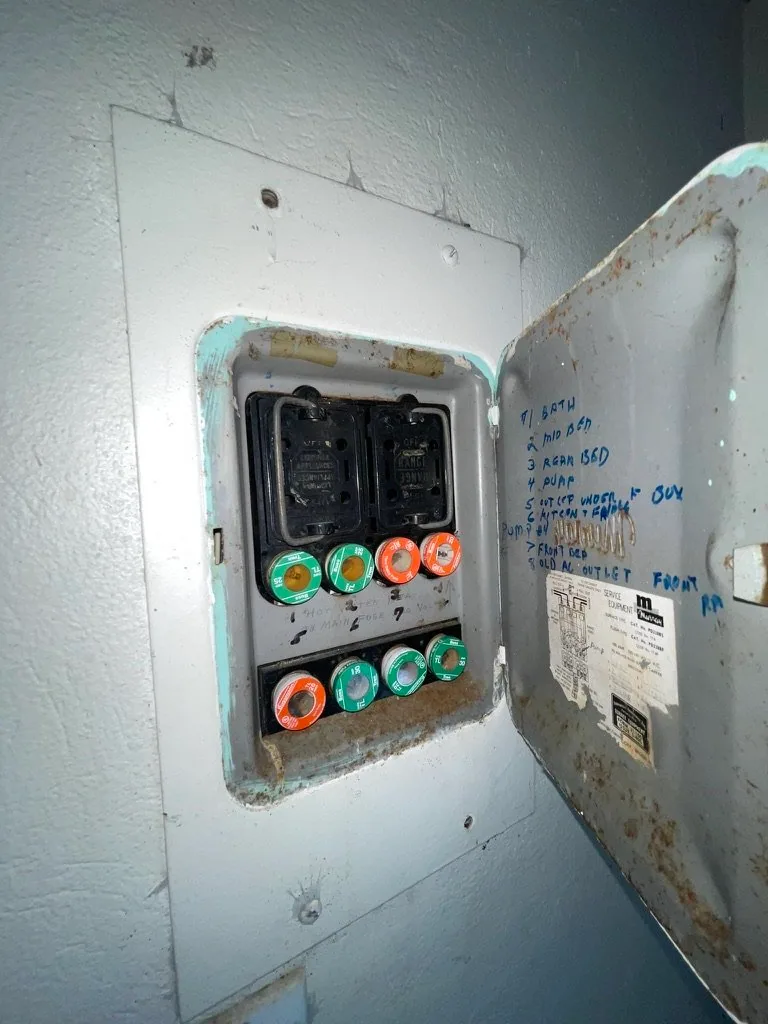
- Electrical issues, Federal Pacific panels, outdated wiring
- Plumbing violations, unpermitted water heaters, poly pipes
- Municipal liens, fines from code enforcement
- Unsafe structure notices, properties deemed unsafe by the city
- Roof violations, permit-less roof replacements
Why Traditional Sales Don't Work
When you list a property with code violations through an agent:
- Most buyers walk away during inspection
- Lenders may refuse to finance properties with open permits
- Title companies flag municipal liens
- Insurance companies may deny coverage
- Buyers demand you fix issues before closing
Why We Buy Properties With Code Issues
At FL Home Buyers, our owner Max Cohen is a State Certified General Contractor (CGC1534000). This means:
- We can legally pull permits and correct violations ourselves
- We price the visible repair scope before making an offer
- We have relationships with inspectors and code enforcement
- We buy with cash, so lender delays are reduced, while code, title, repair, and seller-cost terms are still written out
We buy code-violation properties as-is, price the correction work up front, and handle the compliance work after closing.
Florida Statute 553.79 and Your Sale
Under FL Statute 553.79, many construction projects in Florida require a building permit, and permitted work usually needs final inspection before the permit is closed. If a previous owner or contractor pulled a permit and never finalized it, that open permit may show up in municipal records or title review. Lenders and title companies can require open permits or violations to be addressed before closing.
Common triggers: a homeowner replaces a roof, gets the permit pulled, but the roofer never schedules final inspection. The permit stays "open" for years. Or someone encloses a patio without a permit at all, and code enforcement issues a notice of violation 5 years later when a neighbor complains.
We review both scenarios. Max Cohen's State Certified General Contractor license (CGC1534000) helps us estimate the work realistically, but the municipality controls permits, inspections, fines, and release requirements. The written offer should say whether violations are handled before or after closing.
What Code Violations Cost to Fix
| Violation Type | Typical Cost to Cure |
|---|---|
| Unpermitted enclosed patio | $3,000 - $8,000 |
| Open roof permit (close out) | $500 - $2,000 |
| Electrical panel replacement | $2,000 - $4,500 |
| Pool fence/barrier violation | $1,500 - $3,000 |
| Setback encroachment (remove structure) | $5,000 - $20,000 |
| Converted garage (restore or permit) | $8,000 - $15,000 |
| Accumulated code enforcement fines | $1,000 - $50,000+ |
The fines are where code violations can get expensive. Florida municipalities may assess daily fines for unresolved violations, and recorded fines can become liens against the property. Before assuming those fines can be reduced, confirm the balance, payoff process, compliance status, and title requirements with the city, title company, or a Florida real estate attorney.
How Code Enforcement Liens Work in Florida
When a code enforcement board issues a fine, it becomes a lien on the property after recording with the county clerk. These liens survive a sale, meaning the new owner inherits the debt unless it's resolved at closing. Municipal code liens are senior to most other liens except property taxes.
Some municipalities may consider a fine reduction, release, or compliance agreement after the underlying violation is corrected, but the process varies by city, board, lien status, and title requirements. Before you count on a discount, ask the city, title company, or a Florida real estate attorney what has to happen for that specific property.
Have a property with code violations? Get a written cash offer or call (561) 258-9405.