
How to Sell a Fire-Damaged House in Florida
Last updated: June 2026
Quick Answer
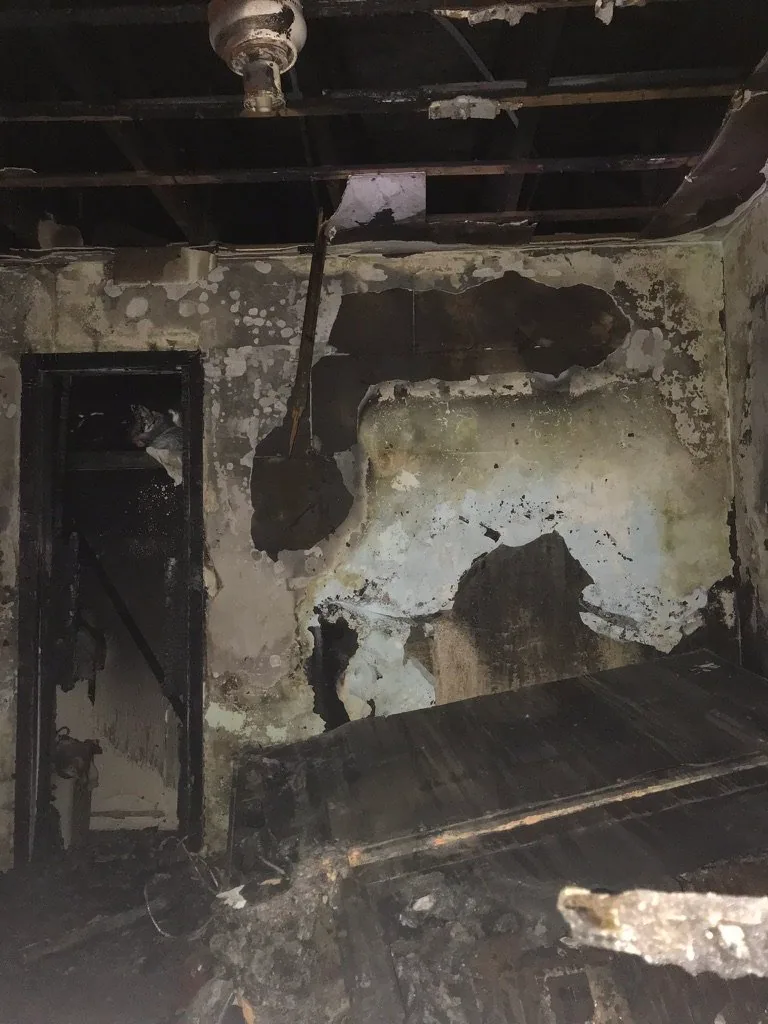
Yes, a fire-damaged house can be sold before it is fully repaired. The important question is not just "will someone buy it?" It is what the buyer is taking on: smoke odor, water damage from firefighting, unsafe electrical or structural areas, open insurance claims, municipal notices, permits, title issues, payoff pressure, and whether anyone can safely enter the property.
Start With Safety and Documents
Do not enter an unsafe structure to take photos for a buyer. If the fire department, city, insurer, or contractor told you the property is unsafe, say that first and send whatever documents you already have.
Useful documents include the fire incident report, insurance claim number, adjuster estimate, denial letter, contractor estimate, mitigation invoice, code notice, permit history, mortgage payoff, HOA balance, and any letter from the mortgage company about insurance proceeds.
Known fire, smoke, water, electrical, structural, mold, or repair issues should be discussed before contract terms are finalized. This page is not legal or insurance advice; use it as a checklist before you speak with your insurer, attorney, title company, or buyer.
If the Insurance Claim Is Still Open
An open claim does not automatically prevent a sale, but it can change the paperwork. The buyer, title company, insurer, and mortgage company may need to know whether a claim was filed, whether money was paid, whether the lender is named on the check, whether a contractor assignment was signed, and whether repairs were started.
Before you agree to sell, ask who keeps any claim proceeds, who is responsible for unfinished work, and whether the mortgage company must endorse or release funds. Those details should be written clearly instead of handled by handshake.
What Changes the Offer on a Fire-Damaged House?
The offer depends on the parts of the house affected and the risk a buyer is accepting. A small contained kitchen fire is different from smoke through the HVAC system, water-soaked drywall, damaged trusses, unsafe wiring, an open roof, or a property the city has posted as unsafe.
- Fire area: room, attic, garage, exterior wall, roof, electrical panel, or whole structure.
- Smoke spread: whether odor reached ducts, insulation, closets, furniture, drywall, and ceilings.
- Water damage: firefighting water can create a separate moisture, mold, flooring, and cabinet problem.
- Systems: electrical, HVAC, plumbing, roof, trusses, windows, and exterior openings.
- Paperwork: fire report, claim status, permit history, city notice, title, payoff, HOA, and liens.
If you have estimates, send them. If you do not, send photos or video from a safe position and explain what rooms were affected. A buyer can usually give a more useful answer from imperfect photos than from a generic description like "fire damage."
Why a Normal Listing Can Stall
A retail buyer usually needs insurance, appraisal support, inspections, and lender approval. Fire damage can create problems in all four places. The buyer may ask for repairs before closing, the insurer may want systems inspected, the appraiser may flag habitability, and the lender may delay until the house is safe and insurable.
That does not mean every fire-damaged house must be sold to an investor. If the damage is limited, well documented, and repairable within your budget, a repaired listing may produce more. The cash-sale question is whether the extra price is worth the time, risk, carrying costs, contractor management, and claim uncertainty.
How FL Home Buyers Reviews Fire-Damaged Properties
We start with the facts you already have: photos, fire location, rooms affected, claim status, whether anyone can enter safely, title and payoff items, and your reason for selling. If the property fits what we buy, we put the offer and seller costs in writing and explain the assumptions behind the number.
Closing timing is set after title, payoff, seller authority, insurance-claim paperwork, and access issues are reviewed. That is less catchy than promising a fixed number of days, but it is the answer a fire-damage seller can actually rely on.
Partial Loss, Total Loss, and the Land Value
Your insurer may use terms such as actual cash value, replacement cost, partial loss, or total loss. Those are policy and claim questions, not marketing slogans. Read the policy, ask your adjuster what has been accepted or denied, and ask your mortgage company how any insurance proceeds must be handled.
Even when the structure is badly damaged, the land, utilities, impact fees, location, zoning, remaining slab, shell, or salvageable systems may still have value. A direct buyer looks at both sides: what remains and what must be demolished, repaired, permitted, insured, or carried after closing.
Smoke Damage Is Not Just a Smell
Smoke can move through ducts, attic spaces, insulation, closets, cabinets, and soft materials far away from the original fire. Firefighting water can create a second issue: wet drywall, swollen cabinets, damaged floors, microbial growth, and electrical concerns.
If you are comparing repair-and-list against selling as-is, separate the work into buckets: safety board-up, debris removal, drying, smoke cleaning, HVAC cleaning, electrical inspection, structural review, roof or exterior openings, drywall, flooring, cabinets, permits, and final finishes.
Official Records Worth Checking
- Florida Department of Financial Services, Division of Consumer Services for insurance-consumer help.
- Florida Office of Insurance Regulation for state insurance resources.
- Your city or county building department for open permits, unsafe-structure notices, and local repair requirements.
What to Send Before Asking for a Number
Photos and Access
Exterior photos, damaged-room photos, roof or attic photos if safe, board-up photos, and a note on whether anyone can enter.
Insurance Status
Claim number, adjuster estimate, payment, denial letter, deductible, lender endorsement issue, or contractor assignment.
Repair Scope
Any estimate for demolition, smoke remediation, electrical, HVAC, roof, drywall, flooring, cabinets, or mold-related work.
Title Pressure
Mortgage payoff, HOA balance, code liens, probate status, divorce agreement, or other items that could affect closing.
Related Questions
Request a Fire-Damage Review
Send the photos, claim status, payoff pressure, and repair details you have. We will tell you whether a written cash offer makes sense.