
Can You Sell a House With Unpermitted Work?
Last updated: June 2026

Max Cohen
Founder · FL Home Buyers
Quick Answer
Yes, you can often sell a house with unpermitted work in Florida. Known unpermitted improvements should be disclosed in writing. A cash buyer may accept the property as-is, but the offer should still account for permit risk, title requirements, municipal records, and any corrections that may be needed.
Florida Law on Unpermitted Work
Many structural, electrical, plumbing, and mechanical projects require permits. Selling a house with unpermitted work is not automatically impossible, but known issues should be disclosed and reviewed with the contract, buyer, title company, and local building department.
The practical problem: unpermitted additions can create lender, insurance, appraisal, and buyer-confidence issues. A cash buyer can review the permit risk without buyer mortgage approval, but the written offer should still account for title, local code, repair, demolition, and resale risk.
Hialeah: An Unpermitted Addition That Killed 3 Deals
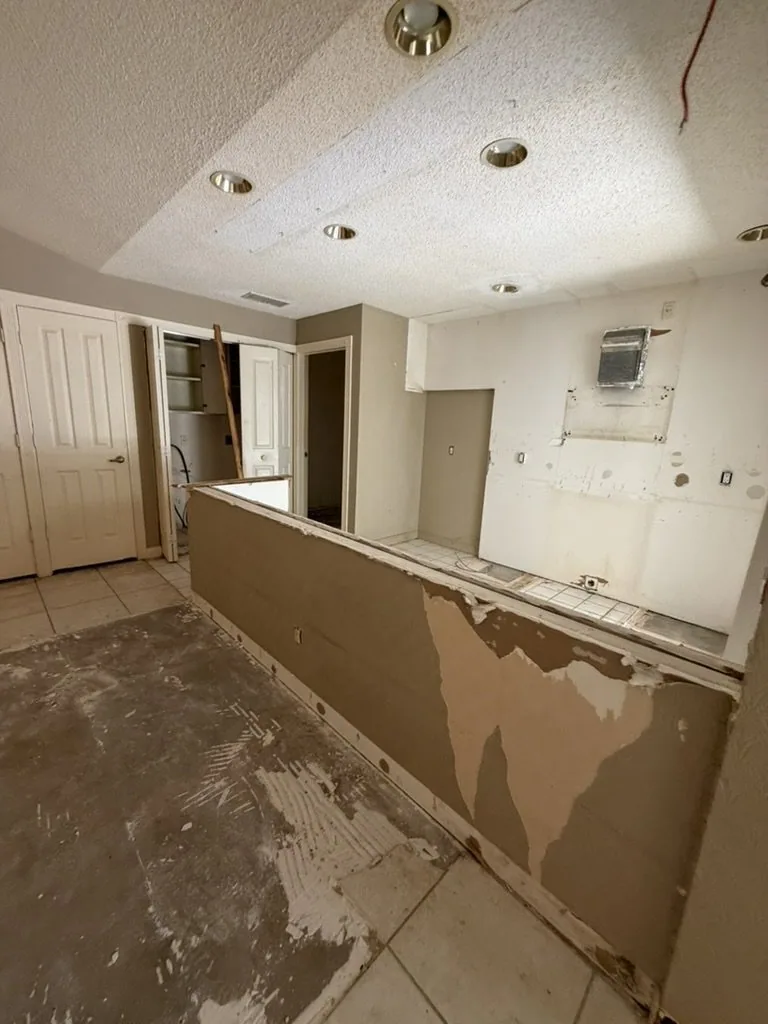
A carport converted into a bedroom or bathroom without permits can cause lender and appraisal problems. Correcting the issue may require drawings, inspections, opening walls, removing work, or bringing the work up to current code, so an as-is cash review can be more practical than chasing a retail buyer.
If a buyer takes on the permit issue after closing, the written offer should explain who is responsible for permit risk, title conditions, municipal liens, and any required holdbacks or disclosures.
What Counts as Unpermitted Work?
In Florida, most structural changes, additions, and major renovations require building permits. Common unpermitted work includes:
- Room additions or enclosed patios, Screened-in porches converted to living space
- Bathroom or kitchen remodels, Moving plumbing, adding outlets
- Garage conversions, Converting to a bedroom or living area
- Electrical or plumbing upgrades, New panels, re-piping
- Roofing work, Full re-roofs without permits
- Sheds, fences, and driveways, Depending on county requirements
If the previous owner did the work and you weren't aware, you still inherit the issue when you sell.
Florida Disclosure Requirements
Florida law requires sellers to disclose known material defects, including unpermitted work. Failing to disclose can expose you to legal liability after closing.
If you discover unpermitted work during a sale, put the issue in writing and ask the title company, closing attorney, or local building department how it should be handled. Inspectors, appraisers, and municipal records can flag differences between the house and county records.
How Unpermitted Work Affects Your Sale Price
Unpermitted work can reduce your buyer pool and selling leverage because:
- Traditional lenders may refuse to finance the purchase
- Appraisers may not count unpermitted square footage
- Insurance companies may deny coverage for unpermitted areas
- Buyers worry about code compliance and future resale
Retroactive permitting costs vary by city, scope, drawings, inspections, and whether any work must be opened up or redone. In some cases, selling as-is to a cash buyer is more practical than correcting the work before listing.
Your Options for Selling
You have three main paths:
Option 1: Retroactive Permitting
Apply for after-the-fact permits. This can take 2-6 months and may require bringing work up to current building code, which could mean tearing out and redoing portions.
Option 2: List on the MLS With Disclosure
Disclose the unpermitted work and price accordingly. This limits your buyer pool to cash buyers or those with flexible lenders, and typically extends your time on market.
Option 3: Sell to a Cash Buyer (Fastest)
We review houses with unpermitted work as-is and put the repair, permit, and seller-cost assumptions in writing. Some permit issues can be handled after closing, but the city or county, title company, lender payoff, access, and disclosure requirements still matter.
How We Can Help
We buy Florida homes with unpermitted work regularly. Here's what we offer:
- cash offer after property review, with permit and seller-cost assumptions stated in writing
- Buy as-is when the permit, title, and code issues can be handled in the written terms
- Close when title, payoff, access, and seller documents are ready, no drawn-out inspections
- No agent commission, with seller costs stated in the written offer
Call (561) 258-9405 or get a written cash offer today.