
Can You Sell a House With Chinese Drywall in Florida?
Last updated: June 2026

Max Cohen
Licensed General Contractor · FL Home Buyers
Quick Answer
Yes, you can sell a house with Chinese drywall in Florida, but known defective drywall should be disclosed and priced honestly. The key question is whether remediation, months of delay, and buyer financing risk still leave you with a better net than an as-is sale.
Florida Disclosure Requirements for Chinese Drywall
Florida sellers usually need to disclose known material defects that are not readily observable and that affect value. If you know about defective drywall, put the issue in writing and get legal advice if the disclosure wording is unclear.
The U.S. Consumer Product Safety Commission describes problem drywall signs such as sulfur odor, blackened metal, and corrosion. Those issues can affect inspections, insurance, financing, and the buyer pool.
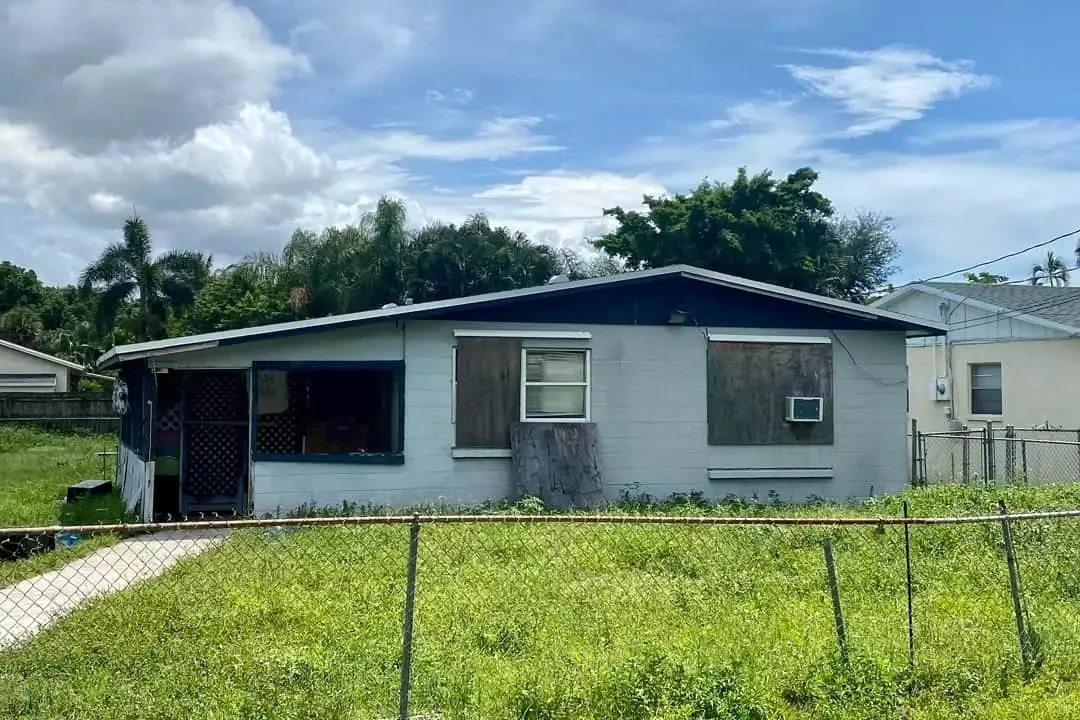
Miami Gardens: Chinese Drywall in a 2006 Build
A Chinese drywall house may have failed copper HVAC coils, blackened copper wiring, persistent sulfur odor, and a long history of failed buyer inspections. Those issues usually need to be priced before the offer, not discovered after a financed buyer orders inspections.
What Is Chinese Drywall?
Chinese drywall refers to problem drywall associated with corrosion, odor, and system failures in some homes built or repaired during the mid-2000s construction boom. Florida was one of the states most associated with the issue because of rapid building and hurricane-related rebuilding.
The drywall emits sulfur gases that:
- Corrode copper wiring, pipes, and AC coils, Causing electrical and plumbing failures
- Create a rotten-egg smell, Especially in humid conditions
- Blacken metal surfaces, Jewelry, silverware, and fixtures tarnish quickly
- May cause health symptoms, Headaches, respiratory irritation, and skin issues
Remediation Options and Costs
Remediation scope depends on testing and the systems affected. A contractor or qualified inspector may recommend removing affected materials and replacing damaged components such as:
- All copper wiring throughout the home
- Copper plumbing and pipe fittings
- AC evaporator coils and gas appliance components
- Fire suppression sprinkler heads
- Electrical outlets, switches, and distribution panels
The cost and timeline depend on square footage, lab results, corrosion, permits, HVAC/electrical scope, and whether the home must be vacant during work. Get bids before assuming a repaired retail sale will net more than an as-is sale.
How We Can Help
We review Florida homes with suspected or confirmed Chinese drywall. Our offer reflects condition, title, payoff, occupancy, and likely repair scope. That can help you avoid:
- Putting repair money in first before you know the final net
- Months of vacancy or displacement while testing, permits, and repairs are handled
- Repeated failed contracts if buyers discover the issue after inspection
- Unclear closing costs without a written title and payoff review
Call (561) 258-9405 or get your written cash offer.
How to Identify Chinese Drywall
If your home was built between 2004 and 2009, during the peak of Florida's construction boom, it's worth checking for Chinese drywall. The most common sign is a persistent sulfur or rotten egg smell, especially in humid months when the off-gassing intensifies. Other indicators include:
- Blackened copper wiring and plumbing, visible behind outlet covers or at the water heater connections
- Premature HVAC failure, caused by corroded evaporator coils that break down years ahead of schedule
- Tarnished jewelry and silverware left in the home, even inside closed drawers
- Manufacturer markings on the back of drywall panels, such as "Knauf Tianjin" or other Chinese manufacturer stamps
A certified inspector can confirm Chinese drywall through air quality testing and visual examination of copper components. The CPSC recommends testing any Florida home built during the 2004-2009 window if two or more of these signs are present.
CPSC Guidelines and Class Action History
The U.S. Consumer Product Safety Commission maintains a Drywall Information Center with background on problem drywall, corrosion signs, and remediation guidance. Use that as a starting point, then confirm your specific house with a qualified inspector or contractor.
Some Chinese drywall claims were handled through litigation and settlement programs, but deadlines and eligibility vary by case. If you think your house was part of a past claim, ask an attorney to review the record before assuming money is still available.
Insurance and Chinese Drywall
Do not assume insurance will cover defective drywall. Ask your carrier for its position in writing and have a Florida insurance professional or attorney review the answer if the dollar amount is significant. If coverage is denied or uncertain, compare the realistic repair path against an as-is offer before choosing a direction.