
Can You Sell a House With Mold? Yes, Here's How
Last updated: October 11, 2026
A practical guide to your options when selling a mold-impacted property in Florida.
Key Takeaways
- 1Disclose known problems. Keep water-intrusion history, reports, repairs, and unresolved findings in writing.
- 2Address moisture and safe access. A planned sale does not fix the water source or establish that the home is safe to occupy.
- 3Ask about the actual loan. Property condition, appraisal findings, program rules, and lender requirements affect financing.
- 4Compare written scopes. Cleanup, moisture repairs, reconstruction, and verification may be separate charges.
- 5Read the cash-offer terms. Inspection, cancellation, title, seller costs, and closing conditions still matter.

Max Cohen
Founder · FL Home Buyers
The Short Answer
A house with mold can be sold, but the condition needs to be addressed in the sale. Disclose known problems, document the moisture source and repair history, and compare the written requirements of each buyer. A cash offer removes buyer mortgage approval from the process; it does not guarantee a closing or waive disclosure obligations.
In This Guide
Understand the Moisture Problem
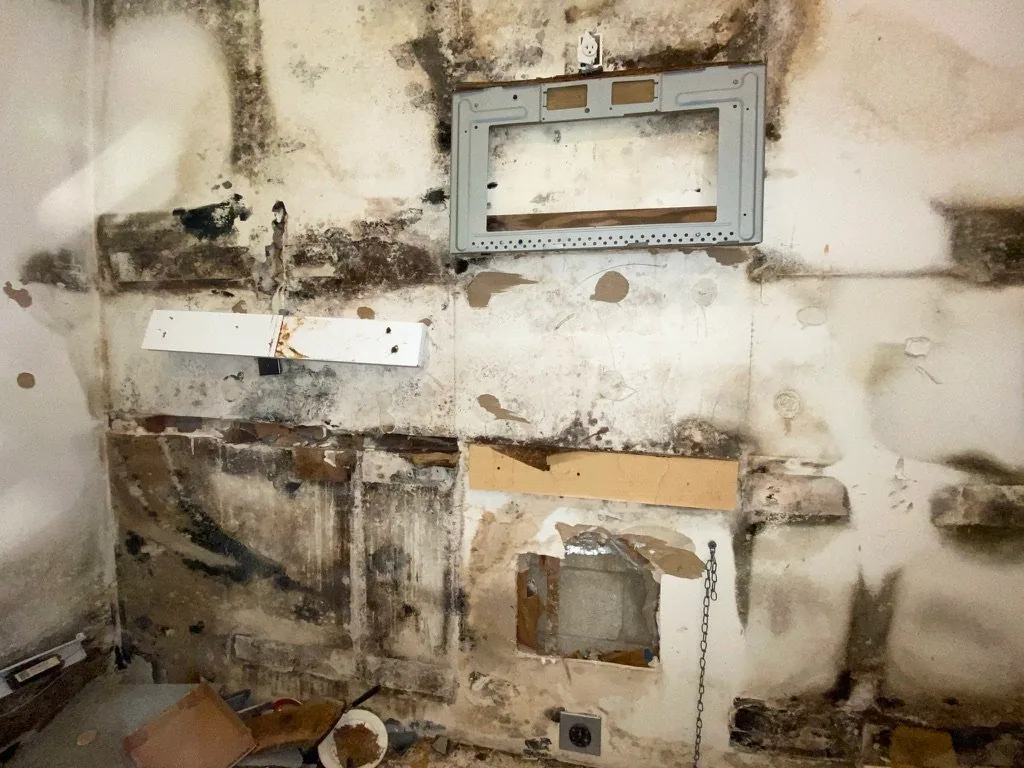
Start with what is known: where growth or a musty odor was observed, when water intrusion occurred, whether the source was repaired, and what remains uninspected. A photo or surface cleanup does not establish the full extent of hidden damage. The EPA's household mold guide explains why cleanup must also address the water problem.
Arrange safe access for qualified professionals. Sewage, suspected HVAC contamination, extensive damage, and health concerns need additional care; use the EPA's cleanup guidance and seek medical advice for health concerns. Do not defer an active moisture problem simply because you plan to sell. This sale guide cannot establish whether a home is safe to occupy.
The EPA says sampling is usually unnecessary when visible mold is present, and there are no federal airborne mold limits to certify against. A lender, insurer, contract, or professional scope may still call for particular inspections or verification. Ask what the proposed test will answer and who will interpret it; a test is not a universal guarantee of safe air.
Disclose the Condition and Keep the Records
The Florida residential seller-disclosure rule discussed in the Florida Bar's analysis of Johnson v. Davis concerns known facts that materially affect value, are not readily observable, and are not known to the buyer. An as-is sale does not remove that duty. Give the buyer a clear written record of known water intrusion, mold findings, completed work, and remaining uncertainty.
- Dated photos, leak history, and the areas that have and have not been inspected.
- Assessment reports, work scopes, invoices, and any verification reports.
- Relevant insurance claim correspondence, coverage decisions, and outstanding work.
- What was repaired, what is still unresolved, and the documents delivered to the buyer.
Have a Florida real estate attorney review disclosure language and any proposed acknowledgment or release. A buyer's signature is not a blanket shield from future claims. Do not promise that a property is mold-free or that a past repair solved every problem unless the evidence supports the statement. Legal remedies and fee recovery depend on the facts, contract, and applicable law.
Check the Buyer's Loan Conditions
Visible mold or moisture may lead to additional inspection, repair, or appraisal conditions. Whether a buyer can finance this property depends on the loan program, lender, appraisal, and actual condition. Ask the lender for the property's requirements before committing to a repair budget or closing date; a loan label alone is not an approval decision.
Fannie Mae's environmental-hazard guidance allows some affected properties when value and marketability can be supported. It also requires qualified-professional inspection in the appraisal process and leaves the final inspection and collateral decision to the lender. That guidance does not mean every mold-affected property qualifies.
The VA home-buying guide says its appraisal checks minimum property requirements and is separate from a home inspection. For FHA, VA, or conventional financing, confirm what must be investigated or repaired, who must perform the work, and how completion will be accepted for that loan.
Questions to resolve before scheduling closing
- What condition is holding up approval, and is a specialist report needed?
- What repair or verification documents will satisfy the lender?
- Who pays, when must the work be completed, and what happens if approval fails?
Price the Full Repair Scope
A statewide price per square foot cannot establish your repair cost. Request itemized quotes based on the affected area, moisture source, access, materials, and work actually proposed. Keep unquoted items marked unknown when comparing a repair-and-list plan with an as-is offer.
Investigation and moisture repair
Separate the assessment from repairing a leak, drainage issue, or other water source. Ask what hidden areas remain outside the inspection.
Removal, cleaning, and drying
Ask which rooms and materials are included, how access is handled, and what disposal or equipment charges are excluded.
Reconstruction and other trades
Confirm whether drywall, flooring, paint, plumbing, HVAC work, and any needed permits are included or separately quoted.
Verification and time away
Agree on completion criteria, required reports, return visits, and any temporary-housing or carrying costs. Keep the schedule conditional on the actual work.
Florida regulates mold assessment and remediation. Section 468.8419 restricts certain assessment/remediation work on the same structure within 12 months and includes a Division I contractor exception. Other licensing exemptions also exist. Verify who is performing each service, the applicable license or exemption, and any required independence with DBPR. Licensing alone does not establish a price or the quality of a proposed scope.
Read the Insurance Policy and Claim Decision
Coverage depends on the policy, endorsements, cause of loss, exclusions, limits, deductible, and claim facts. Florida DFS explains that mold endorsements can change property or liability coverage. Ask the insurer to identify the applicable terms and its written coverage decision. Do not assume a universal cap or infer a denial from visible growth alone. Keep anticipated insurance proceeds separate from confirmed payment in your sale budget.
Compare the Written Sale Options
Repair, then list
Use supported repair scopes and a realistic listing estimate. Subtract repair, selling, debt-payoff, and carrying costs. Repairs may address buyer concerns, but they do not guarantee a higher net result or a specific sale date.
List in current condition
Disclose the known condition and make reports available. Compare actual offers and contingencies; do not assume every financed buyer is excluded or that a particular discount will be enough.
Compare a direct cash offer
A purchase without buyer mortgage financing removes that approval step. Inspection, cancellation rights, funding, title, access, seller obligations, and released proceeds still depend on the written terms and closing. An as-is offer does not by itself waive every inspection or seller expense.
FL Home Buyers is a potential purchaser, so compare our written offer with other available options and your own advisers. Our as-is risk guide covers funding, contract conditions, title, and proceeds. Keep unknown charges visible instead of treating them as zero.
Frequently Asked Questions
Can you sell a house with mold?
A sale may be possible with the condition disclosed and addressed in the written terms. Whether a particular sale closes depends on the buyer, property, title, and remaining requirements.
Do I have to fix mold before selling?
That depends on the sale and any applicable requirements. An as-is buyer may accept responsibility for specified work; a lender or buyer may require repairs or further review. Resolve responsibility in writing and address active moisture and safety concerns.
Does an as-is contract remove disclosure duties?
No. Disclose known material defects within Florida's residential disclosure rule and have an attorney review uncertain facts or release language. Keep the condition records with the sale file.
What if the mold looks black?
Do not base a sale or health decision on a color label. CDC guidance says mold types should be treated alike for potential health risks and removal. Document the findings and moisture source, and obtain appropriate professional help.
How much will remediation cost or reduce the price?
This guide cannot establish either amount. Use property-specific quotes and actual offers, with scope, exclusions, remaining uncertainty, and seller costs identified.
Will insurance pay?
Review the policy and endorsements with the insurer and request the applicable coverage decision. A coverage limit is not a promise of payment, and a pending claim is not money already received.
How soon can a cash sale close?
Set a date only after reviewing the contract, title, payoff, safe access, seller documents, and funding. Signing and funds being available to you are separate steps.