
Can You Sell a House With Termite Damage in Florida?
Last updated: July 2026
Quick Answer
Termite damage does not automatically prevent a sale. The hard part is proving what is active, what is old damage, what is structural, and who will pay to fix it. A financed buyer may have lender conditions after inspection. A cash buyer can price the problem into the offer instead of making you repair it first.
Florida WDO Reports
Florida Statutes section 482.226 governs Wood-Destroying Organism inspection reports prepared by licensed pest-control operators. The statute does not mean every sale has the same repair requirement. The contract, buyer, loan program, appraiser, insurer, and title facts decide what must be resolved before closing.
If you already have a WDO report, pest-control proposal, photos, or contractor bid, keep it. Those documents help separate old damage from active infestation and help a buyer price the house honestly.
Source: Florida Statutes 482.226.
What Kind of Termite Problem Do You Have?
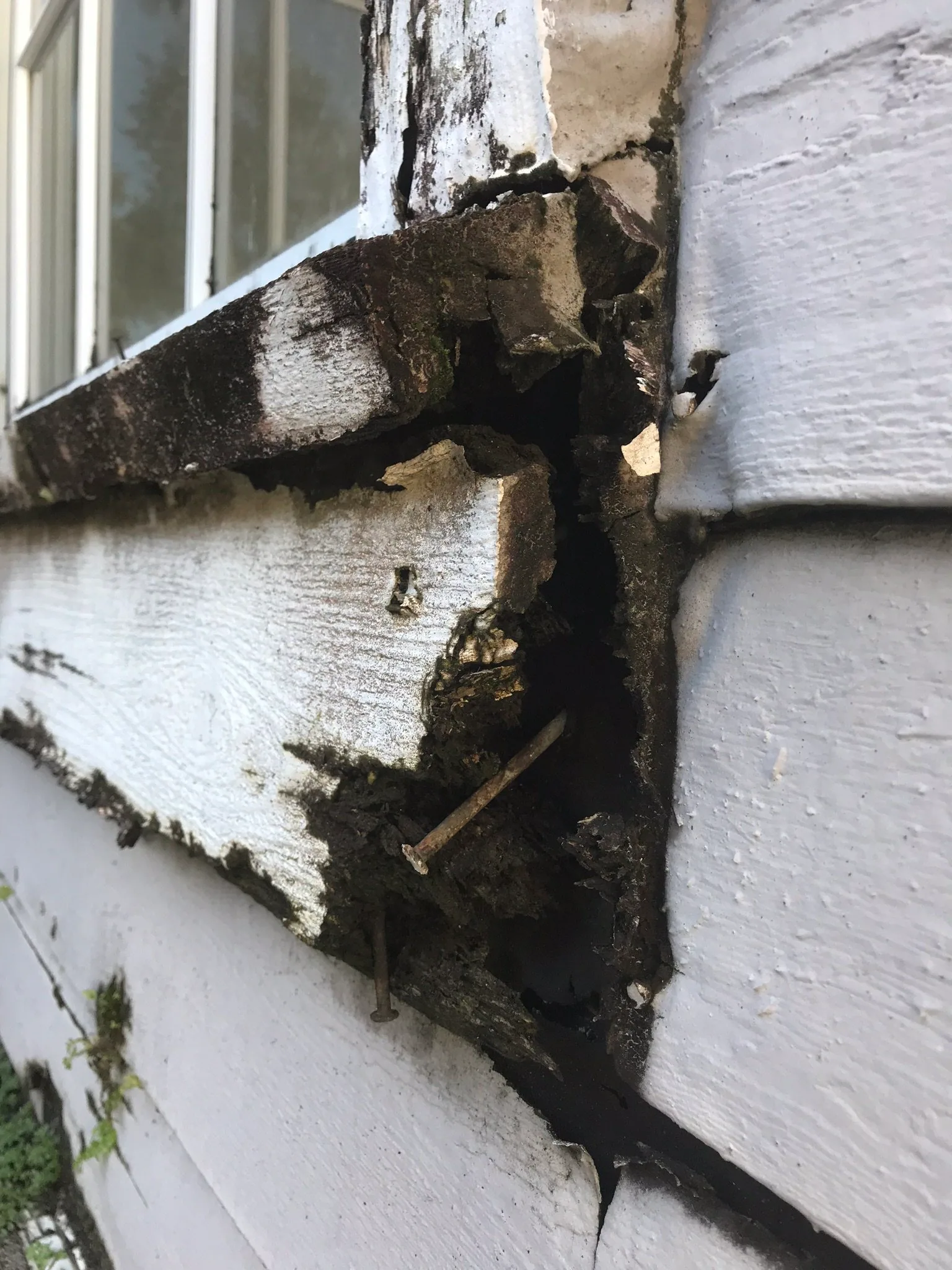
Before deciding whether to repair or sell as-is, identify the problem as clearly as you can. A small drywood spot near a window is different from structural damage to joists, trusses, sill plates, or load-bearing framing.
- Subterranean termites: Often enter from the soil and may show mud tubes, damaged baseboards, soft framing, or activity around slabs and crawlspaces.
- Drywood termites: Often show up around attics, window frames, door frames, soffits, trim, or small piles of frass.
- Old damage vs. active infestation: Old repaired damage is easier to explain than active insects plus weakened framing. A WDO report or pest-control letter can make this clearer.
- Structural damage: If floors sag, walls move, doors stick, or framing is visibly hollowed, get a contractor or engineer opinion before assuming a simple treatment will solve it.
Why Termites Create Closing Problems
The issue is not just the bugs. It is uncertainty. A buyer may ask whether the infestation is active, whether the damage reaches structural framing, whether the house needs permits, and whether an insurer or lender will accept the property.
If a financed buyer's inspection, appraisal, or lender review flags termite activity or wood decay, the buyer may ask for treatment, repair credits, structural repairs, reinspections, or contract cancellation. The exact requirement depends on the loan, contract, and condition. Get those conditions in writing before spending money.
A cash buyer does not remove disclosure obligations, but it can remove the mortgage-underwriting layer. That can matter when the property needs treatment, framing repair, or a buyer willing to accept the house as it sits.
Costs to Price Before You Decide
Do not rely on a generic internet estimate. Use this as a checklist for quotes to collect. The real number depends on species, access, damage, permits, engineering, and whether hidden framing has to be opened.
| Service | What to Ask For | What It Covers |
|---|---|---|
| Spot Treatment | Written scope and warranty | Drywood termites in a single area (window, door frame) |
| Tent Fumigation | Fumigation scope, prep, warranty | Whole-house drywood treatment. Kills active termites only, doesn't repair damage. |
| Subterranean Treatment | Treatment map and renewal cost | Liquid barrier or bait stations around the foundation perimeter |
| Minor Structural Repair | Contractor scope and permit need | Beam sistering, replacing a few joists or studs |
| Major Structural Repair | Engineer/contractor opinion | Floor joists, wall framing, roof trusses, slab excavation |
The important number is the combined number: treatment, visible framing repair, hidden damage risk, permits, engineering, buyer credits, time, and carrying costs. If that number is bigger than the extra price you expect from listing retail, an as-is sale may be worth comparing.
When a Cash Buyer May Make Sense
A cash sale is not automatically the highest-price path. It can make sense when the house has active damage, the repair scope is unknown, a previous buyer backed out, you cannot fund repairs upfront, or you need a cleaner closing without managing pest control, contractors, permits, and reinspections.
At FL Home Buyers, Max Cohen is a licensed General Contractor (CGC1534000). We review the visible condition, title/payoff facts, and repair risk before putting seller costs and offer terms in writing. If we buy the house, the treatment and repair plan becomes our post-closing problem.
What About Insurance?
Many homeowner policies treat termite damage as maintenance or pest damage, not a sudden covered event. Do not assume coverage either way. Read your policy, call the carrier, and ask whether your pest-control bond includes retreatment only or any repair coverage. Get the answer in writing before you spend money based on it.
Related Questions
Get a Cash Offer
We review the property as-is, state seller costs in writing, and set a realistic closing date after title, payoff, and condition review.