
Can You Sell a House With Water Damage in Florida?
Last updated: July 2026
Quick Answer
Yes, Florida sellers should disclose known water damage, but you can still sell as-is when the buyer understands the condition. If FL Home Buyers purchases the property, we price the visible repair scope before closing instead of asking you to repair drywall, flooring, plumbing, or mold damage first.
How We Handle Water Damage Purchases
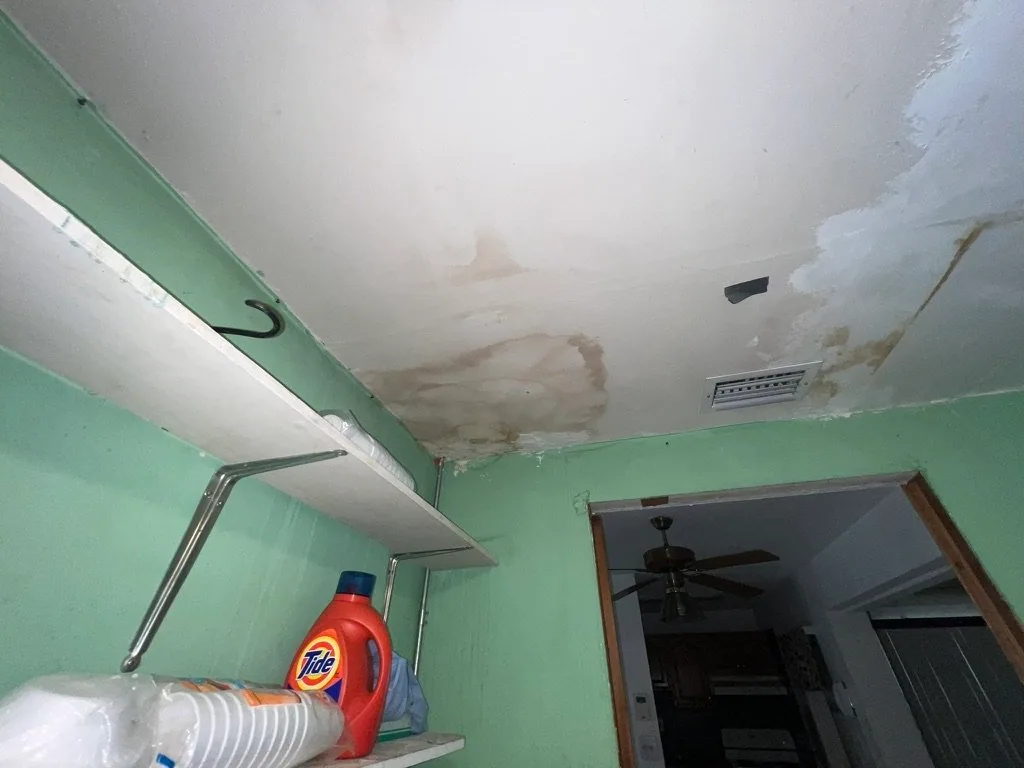
We evaluate houses with active leaks, standing water in crawl spaces, roof intrusion, plumbing failures, and hurricane flooding. The repair scope changes when water reaches drywall, cabinets, subflooring, framing, electrical, HVAC, or areas with visible mold.
When reviewing a purchase, Max Cohen reviews the visible condition before we put an offer in writing. We look for the water source, whether the leak is still active, what materials were affected, and whether any insurance, permit, title, or access issue may delay closing.
Florida Water Damage Disclosure Requirements
Florida sellers should disclose known material defects that are not readily observable, including water damage history. This includes past flooding, roof leaks, plumbing failures, and any resulting mold. Selling as-is can reduce repair negotiations, but it does not remove disclosure duties.
How Much Does Water Damage Reduce Home Value?
The discount depends on the source, scope, and whether the problem is active. A cosmetic ceiling stain is different from a slab leak, sewage backup, roof leak that reached the attic, or mold behind cabinets. The useful number is not a generic percentage. It is the likely repair scope, the buyer's financing risk, and the seller costs needed to get a traditional buyer comfortable.
Why Traditional Buyers Avoid Water-Damaged Homes
Active leaks, unsafe floors, visible mold, unrepaired roof damage, or unresolved insurance work can create lender, insurance, and inspection problems for traditional buyers. Some issues can be repaired before listing; others make the sale slower or more uncertain. A cash buyer removes the buyer's mortgage approval from the equation, but the property still has to be reviewed honestly and the title still has to be clear enough to close.
Sell Your Water-Damaged House As-Is
At FL Home Buyers, we review water-damaged homes throughout Florida. For a possible purchase, we estimate the visible repair scope before making an offer. The written offer states which seller costs we cover, whether many repair conditions or access issue still needs review, and what closing date is realistic after title and payoff are checked.
Water Damage Categories and What They Mean for Your Sale
The insurance and restoration industry classifies water damage into three categories, and the category determines both repair cost and buyer willingness:
- Clean water: Supply-line breaks, faucet leaks, or rainwater intrusion may be simpler if the source is fixed quickly and the affected materials are limited.
- Gray water: Dishwasher overflow, washing-machine backup, or some toilet overflows can require more removal and documentation because the water may carry contaminants.
- Black water: Sewage backup, storm surge, and standing floodwater usually create the hardest buyer, insurance, and repair questions because more materials may need removal.
The category matters because it changes the repair scope, safety concerns, and likely buyer objections. If we can inspect safely and the title can close, we can usually give a written as-is number instead of asking you to coordinate remediation first.
Florida's Humidity Makes Water Damage Worse
Florida heat, humidity, storms, and older plumbing can make water issues harder to ignore. The first question is whether the water source has stopped. If it has not, buyers will worry about continuing damage, mold, flooring, cabinets, electrical, and hidden framing issues.
Before spending money, gather photos, claim letters, inspection notes, plumbing invoices, roof estimates, and any mold or moisture reports. Those documents help separate a small cosmetic issue from a condition that may block a normal financed sale.
FEMA Flood History and Property Value
If your property has a flood-insurance claim history, that history may affect how future buyers, insurers, and lenders view the house. Some repeat-claim properties can be treated differently under NFIP/FEMA rules, and the issue follows the property rather than the current owner's plans.
Flood history can affect buyer demand, insurance conversations, and the price a traditional buyer is willing to pay. If you have claim history, elevation information, or flood-zone documents, send them before the walkthrough so the offer can reflect the actual risk instead of a guess.
Related Questions
Get a Cash Offer
We review the property as-is, state seller costs in writing, and give you a realistic closing path after title, payoff, access, and condition are checked.