
How to Sell a Vacant House in Florida
Last updated: June 2026
Quick Answer
A vacant Florida house usually needs a different plan than an occupied retail sale. Check insurance status, utilities, lawn/pool maintenance, code notices, and whether anyone has keys or access. A cash sale can stop carrying costs after closing, but timing still depends on title, payoff, access, probate authority, liens, and seller documents.
Vacant House Risks in Florida
Florida code enforcement starts with local notice and correction procedures under F.S. 162.06. If violations are not resolved, fines and repair costs can become liens under F.S. 162.09. Local ordinances determine the exact notice, cure period, and amount.
Insurance is the other risk. Many homeowner policies limit or exclude coverage after a property has been vacant for a set period, and vacant-home policies can be harder or more expensive to place. Ask your agent before assuming a leak, break-in, or fire is covered.
Adverse possession is a separate issue under F.S. 95.18 and has strict requirements. For recent unauthorized occupants, Florida also has a limited sheriff-removal process under F.S. 82.036, but it does not apply to every situation and should be reviewed with counsel if the facts are disputed.
Riviera Beach: Squatters in a Vacant Home
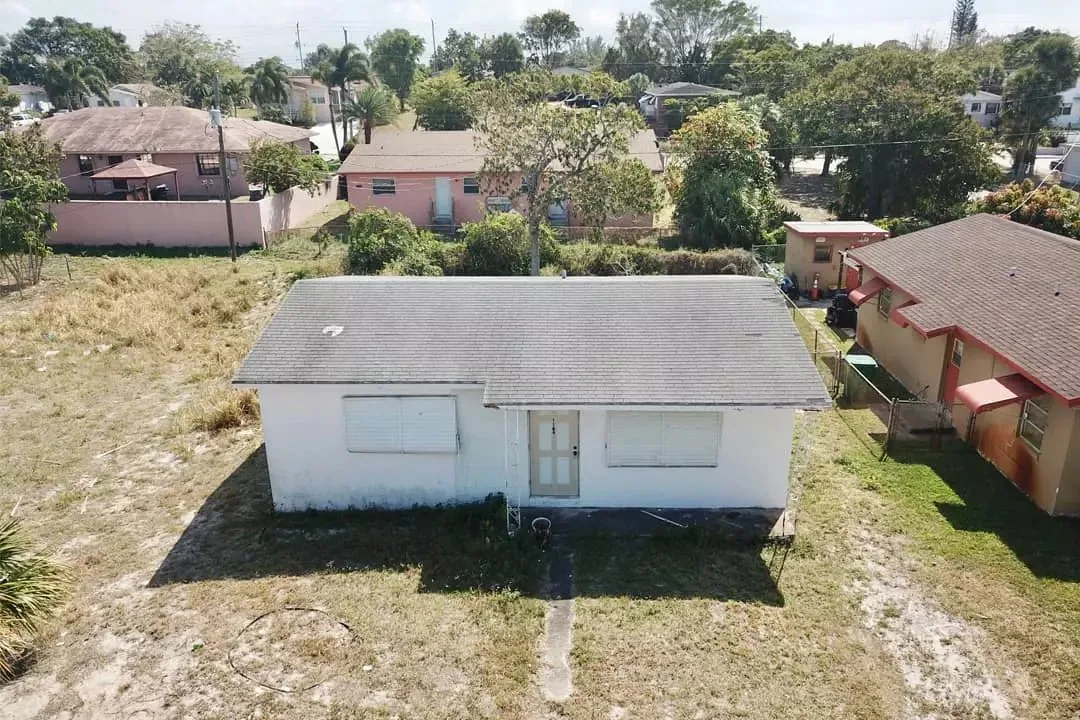
A long-vacant house can attract squatters, code fines, vandalism, mold, and insurance problems. Once unauthorized occupants or open violations are involved, many financed buyers, lenders, and insurers may require the situation to be resolved before closing.
The Hidden Costs of Vacancy
The real monthly cost depends on whether there is a mortgage, HOA, pool, lawn service, utilities, insurance, security, and needed repairs. Build a quick carrying-cost sheet before deciding. Add mortgage payment, taxes, insurance, utilities, lawn/pool service, pest control, HOA dues, and any code fines. Then compare that number with the cost of listing prep and the likely net from an as-is cash offer.
Florida Vacancy Insurance
Do not assume your old homeowner policy still applies. Many policies treat vacancy differently from temporary absence, and the trigger can depend on days vacant, utilities, inspections, repairs, or whether the property is for sale. Ask your insurance agent what is covered while vacant, what is excluded, and whether a vacant-property endorsement or separate policy is needed.
Vacant Home Risks in Florida
The common problems are practical: roof leaks nobody catches, AC failure, humidity, mold, pool violations, broken windows, theft of copper or HVAC parts, overgrown landscaping, and unauthorized occupants. A vacant house can still sell, but each problem changes the buyer pool and the documents a title company may ask for.
Florida Squatter Laws and Vacant Property
Adverse possession is not the same as someone breaking into a vacant house. Florida's adverse-possession statute requires years of possession and tax-related steps; a recent unauthorized occupant is usually a possession/removal problem, not an instant title claim. The practical issue is that an occupied vacant house is harder to show, insure, finance, and close.
If someone is inside the property, document what you know before making promises to any buyer: when you discovered it, whether there was a lease, whether they are a former tenant or family member, whether there is pending litigation, and whether local law enforcement or counsel has reviewed the facts. Some situations may qualify for the sheriff-removal process; others require court action.
Code Enforcement on Vacant Homes
Code enforcement is local, so do not rely on statewide averages. Ask for the case number, violation description, cure deadline, daily fine amount if any, and whether an order or lien has been recorded. Under Florida law, some code fines and repair costs can become recorded liens, which means they may need to be negotiated, satisfied, or otherwise handled for title.
Before signing a contract, gather notices for mowing, pools, unsafe structures, open permits, unpermitted work, utilities, and vacant-property registration. A cash buyer can often buy through these issues, but the offer should clearly state who is responsible for existing fines, lien releases, municipal payoffs, and post-closing repairs.
Inherited and Estate Properties
A large share of vacant Florida homes come from estates. One heir may live out of state, another may want to rent it, and another may want to sell. Meanwhile, insurance, taxes, HOA dues, utilities, and lawn maintenance keep draining the estate. Probate status matters because the person signing the contract must have authority to sell.
If probate is involved, collect the death certificate, letters of administration or court documents, known heir information, mortgage payoff, HOA balance, and any code notices. We can review a vacant inherited property before probate is complete, but closing depends on title company and court requirements.
When a Cash Sale Makes Sense
A cash sale is worth comparing when the house is costing more to hold than it is likely to gain from repairs, when you cannot manage it from another city, when insurance or code issues are getting worse, or when probate/heir coordination makes a traditional listing hard. We review vacant homes with code violations, unauthorized occupancy, deferred maintenance, and estate issues. The written offer should show the purchase price, seller costs, expected closing window, and who handles known liens or violations.
Related Questions
Get a Cash Offer
We review the property as-is, state seller costs in writing, and can close when title, payoff, access, and seller documents are ready.