
Selling a House During Divorce in Florida (2026 Guide)
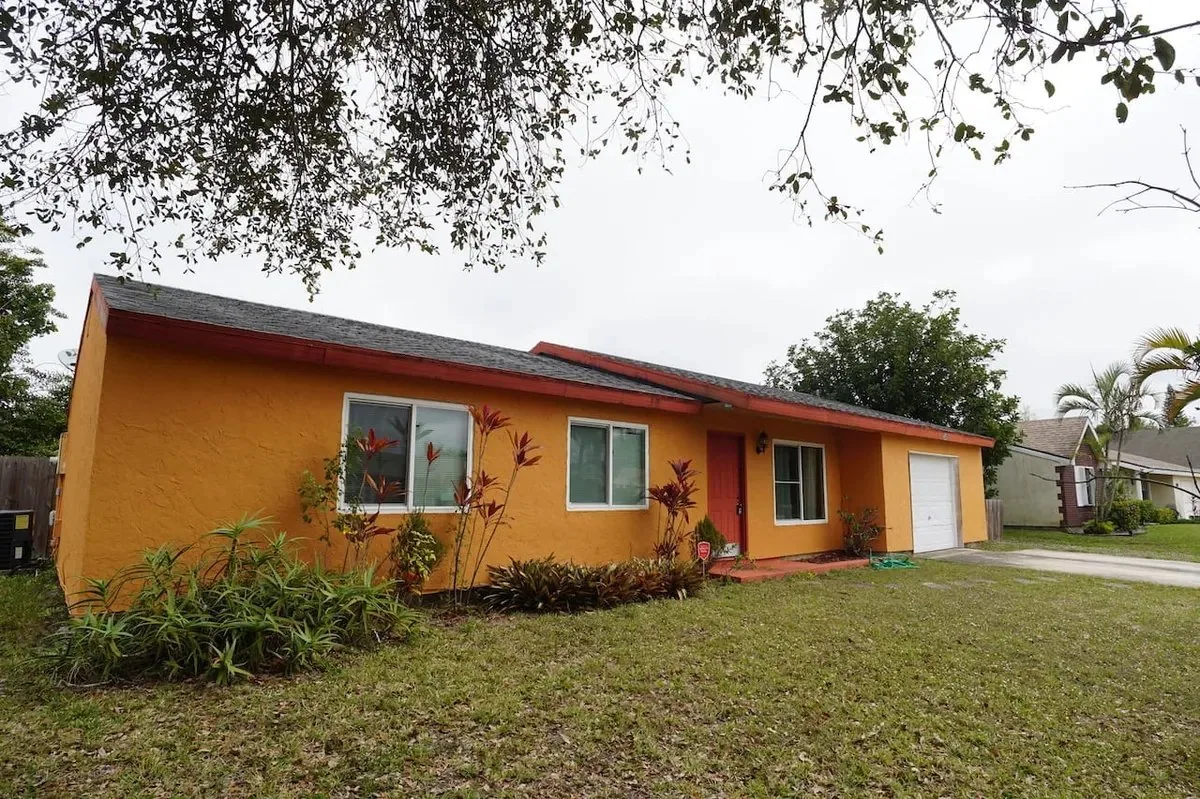
Start with the deed, current court orders, mortgage obligations and a plan for the proceeds. This guide explains the records and decisions to review before choosing how to sell.

Written by Max Cohen
Founder, FL Home Buyers · Florida real estate since 2014
Quick Answer
Can you sell your house during a divorce in Florida? A sale may be possible, but first have your attorney and closing agent confirm ownership, required signatures, current court orders and title requirements. A cash offer does not resolve a dispute or override a court restriction. Agree on the sale terms and written handling of the proceeds before treating a closing date as firm.
Table of Contents
How Florida Divides Property in Divorce
Florida uses equitable distribution. Under section 61.075, the court starts with equal distribution of marital assets and liabilities unless relevant factors justify a different result. Nonmarital assets and liabilities are set apart. That does not mean each closing check must be half of the sale price.
Before accepting an offer, ask your attorney how the proposed sale fits the settlement or court orders. Have the closing agent prepare a seller estimate showing payoffs and costs. A price, a property's equity and the amount each person may receive are different figures.
Marital vs. Non-Marital Property
A home owned before marriage or received separately through an inheritance may have a nonmarital component. Marital contributions, mortgage principal reduction, changes in title and the applicable appreciation rules can affect classification. Section 61.075 treats gifts between spouses differently from gifts from someone else. Do not decide the result from the purchase date or one name on the deed alone.
Gather the deed, purchase records, mortgage history, inheritance or gift documents, any written marital agreement, and records of major improvements. Let your attorney determine which interests and values need to be established. A buyer's offer is not a ruling on either spouse's share.
Your 4 Options for the House
- Sell the property. Compare likely closing proceeds, carrying costs, required repairs and timing. Put sale authority and the handling of funds in writing; selling does not itself settle the rest of the divorce.
- One spouse keeps it. Check affordability and any agreed buyout with the attorneys and mortgage servicer. Ask about the available financing or transfer options and whether a departing borrower will be released from liability.
- Keep joint ownership temporarily. A written plan should address payments, insurance, repairs, access, occupancy, an eventual sale and what happens if someone cannot perform. Ongoing costs can continue while disagreements are unresolved.
- Ask the court to resolve the dispute. Your attorney can explain the relief available in the case and any sale conditions the court may impose. Do not assume a fixed deadline, sale method or outcome.
Moving off the deed does not automatically remove a borrower from the mortgage. The CFPB explains that a divorce agreement assigning a debt to one spouse does not by itself release the other borrower from the creditor's claim. Confirm any release directly with the creditor; do not rely on the divorce agreement alone.
What Is a Lis Pendens?
A lis pendens is a recorded notice that litigation affects the property. Florida section 48.23 governs its effect, expiration and court control. Whether a notice is proper, remains effective or can be withdrawn or discharged requires review of the actual case and records.
A cash buyer does not make the notice, litigation or court restrictions disappear. Give the notice, current orders and proposed contract to your attorney and closing agent. Ask them to identify what must be resolved, recorded or approved for this sale and for the title coverage being requested. Spousal agreement alone may not satisfy those requirements. Do not promise a closing date until the required steps are confirmed.
How to Sell During Divorce
- Confirm who can authorize and sign. Provide the deed, case information, current orders and any settlement to your attorney and closing agent. Ask who must sign which documents and whether further court approval is needed.
- Compare the property and sale options. Use local comparable sales, repair estimates and an appraisal if appropriate. Request actual fees. An appraisal, agent pricing opinion and purchase offer serve different purposes.
- Write down the terms. Review price, deposit, inspection rights, financing, closing costs, access, belongings and possession. Confirm how an extension, price change or cancellation would be handled.
- Clear the identified closing requirements. Obtain current loan and lien payoffs, resolve title conditions through the appropriate professionals, and arrange signatures. Do not treat an informal agreement as a substitute for a required release or court order.
- Review the funds instructions before closing. Confirm costs, credits, payoffs, any required holding of funds, and the authorized distribution. If entitlement is disputed, have the attorneys and closing agent resolve how funds must be held or released before the closing proceeds.
Compare a Listing and a Cash Offer
A listing may expose the home to more buyers and may produce a higher price. It also requires a plan for access, showings, property condition and the buyer's contract conditions. An as-is listing is another option when repairs are impractical.
A direct cash offer may reduce public showings and avoid a buyer mortgage condition, depending on the contract. Compare the price and seller costs against the other options. Confirm bank letter, escrow confirmation, or title-company contact, deposit, inspections, cancellation rights and the proposed date. Cash does not guarantee closing or remove legal and title requirements.
FL Home Buyers can review the property and propose written terms for the authorized sellers and their advisers to evaluate. We do not determine either spouse's ownership share, resolve the divorce or release a borrower from a loan. Read more about our divorce property review and purchase process.
Mistakes to Avoid When Selling During Divorce
- Signing before authority is clear. Resolve required approvals and signatures with your advisers before committing to a buyer.
- Budgeting from the offer price alone. Ask for a closing estimate and separate any earlier repairs, moving costs and personal tax consequences.
- Letting payments or coverage lapse without a plan. Coordinate responsibility for the mortgage, taxes, insurance and upkeep. Contact the servicer quickly if payments are at risk.
- Spending on disputed work. Agree on necessary repairs, access, payment responsibility and documentation before authorizing work.
- Treating a sale as the end of every obligation. Confirm loan payoff, possession and authorized funds instructions. Other divorce obligations may remain after closing.
Frequently Asked Questions
Can I sell my house during a divorce in Florida?
A sale may be possible when the authorized sellers can meet the applicable court, title and contract requirements. Have your attorney and closing agent confirm authority, signatures and the handling of funds.
Is Florida a community property state?
Florida uses equitable distribution, starting with equal distribution of marital assets and liabilities unless relevant factors justify a different result. That rule does not decide the amount of each closing check by itself.
What about a house bought before marriage?
It may have a nonmarital component, but marital contributions, loan principal reduction, title changes and applicable appreciation rules can affect the result. Have your attorney review the records.
Can one spouse refuse to sell?
A disagreement can prevent a voluntary transaction from moving forward. Ask your attorney what agreements or court relief are available in the case; do not assume the other person can simply be bypassed.
How do cash buyers help?
A direct offer may reduce showings and buyer-financing conditions. Compare written price, costs and cancellation terms. Cash does not override a lis pendens, court restriction, title requirement or required signature.
Need to Sell During a Divorce?
We can review the property and put proposed price, costs and conditions in writing for the authorized sellers To weigh with their advisers.
Learn About Our Divorce Process
Max Cohen
Founder · Buying Florida homes since 2014