
Last updated: June 2026
Sell a House With Squatters in Florida
Last updated: June 2026
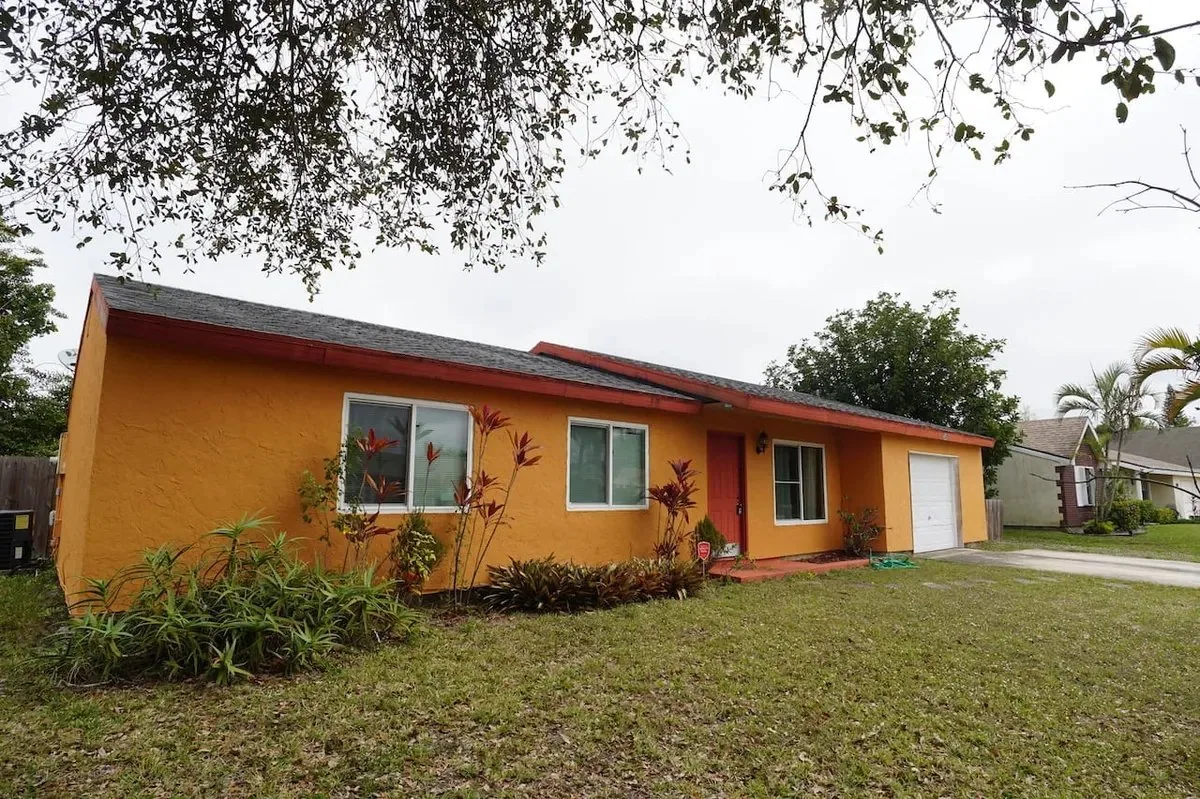
Squatters in your property can freeze a sale for months. Florida changed the rules in 2024, but damage, liability, title questions, and municipal fines can still complicate the exit. We buy squatter-occupied houses as-is for cash, with closing timing based on title, occupancy facts, and seller readiness.
Get My Cash OfferFlorida's 2024 Squatter Law: What HB 621 Changed
Before July 1, 2024, Florida property owners had to file formal eviction proceedings against squatters, even people with zero legal right to be in the property. The court process took 15 to 60 days at minimum, and squatters who produced fraudulent leases could drag it out for months. Owners were stuck paying the mortgage, insurance, and property taxes on a house they couldn't access.
HB 621 rewrote the process. Property owners can now contact the sheriff's office and request immediate removal if they provide three things: a government-issued ID, proof of ownership (deed, tax records, or title insurance policy), and a signed affidavit stating the occupants have no legal right to be there. The sheriff can then use the statutory removal process instead of forcing the owner through a standard eviction case.
Criminal Penalties Under HB 621
The law added teeth. Squatters who present fraudulent leases or documents face a first-degree misdemeanor. Anyone who causes more than $1,000 in property damage during unlawful occupation can be charged with a felony. Before HB 621, these actions were treated as civil matters with almost no criminal consequences.
Old Process vs. New Process
| Factor | Before HB 621 | After HB 621 (July 2024+) |
|---|---|---|
| Removal Method | Formal eviction lawsuit | Sheriff removal with affidavit |
| Timeline | 15-60+ days | after property review |
| Fraudulent Leases | Could stall removal | First-degree misdemeanor |
| Property Damage >$1,000 | Civil matter only | Felony charge |
| Owner Proof Required | Court filing + evidence | ID + deed + affidavit |
The New Law Helps, but It Doesn't Fix the Property
Removing the squatter is one step. The property damage stays behind. In the deals we've closed on squatter-occupied houses, the damage list is consistent: stolen copper wiring, ripped-out plumbing fixtures, holes punched through drywall, trash piled in every room. One property in Broward County had no functioning electrical system because every wire had been stripped for scrap. Restoration cost $38,000.
And HB 621 only works cleanly when the squatter doesn't claim to have a lease. Some squatters produce fake documents or claim verbal agreements. Even under the new law, disputes over tenancy status can push you back into the court system, where you're looking at weeks or months before the property is yours again.
Code Violations Don't Wait
Florida municipalities can issue daily code-enforcement fines for violations, whether or not the owner caused them. Squatters who leave trash, create fire hazards, or damage the structure can trigger violations that run against you, the owner, not the squatter. Those fines can accrue while you are waiting on the courts, waiting for contractors, and trying to sell a property that many retail buyers will avoid.
Common Damage We See in Squatter Properties
Copper and Plumbing Theft
Wiring stripped from walls for scrap value. Plumbing fixtures removed. Replumbing and rewiring a 1,500 sq ft house runs $12,000 to $25,000 depending on the extent.
Structural and Interior Damage
Holes in walls, damaged doors, broken windows, water damage from burst pipes or neglected plumbing. These repairs add $5,000 to $15,000 before you address cosmetic issues.
Trash and Hazmat Cleanup
Full property cleanouts can involve multiple dumpsters. Biological waste, chemicals, or drug residue may require licensed remediation, and that scope should be priced before anyone signs.
Municipal Fines and Liens
Code violation fines can attach to the property during a squatter occupation. Daily fines, board orders, and city liens should be checked before setting a closing plan.
Adverse Possession in Florida: The 7-Year Threshold
Florida Statute §95.18 allows someone to claim ownership of a property through adverse possession, but the requirements are steep. The claimant needs 7 continuous years of open and notorious possession, payment of all property taxes for those 7 years, and a return filed with the county property appraiser describing the property.
Most squatter situations do not meet that bar, but the threat of an adverse possession claim can still create a title issue. A buyer, lender, or title company may need the claim reviewed, released, dismissed, or otherwise addressed before closing can move forward.
Title Clouds and Cash Buyers
We review the possession history, recorded documents, police reports, code files, and title requirements before promising a closing date. Some title clouds can be handled with the right documents; others need legal work before any buyer should close.
How We Buy Squatter-Occupied Properties
Tell Us the Situation
How long have the squatters been there? Have you contacted law enforcement? Is there property damage? We've dealt with every version of this across Florida since 2014.
We Assess the Property
We review county records, any existing code violations, and the condition of the property. We know what restoration costs because we do the work ourselves under GC license CGC1534000.
Cash Offer
Our offer accounts for the removal process, damage repair, and any outstanding fines or liens. You get a number that reflects reality, not a hypothetical post-renovation value.
Close Through Title
If the title company can close and the numbers work, the written contract states how occupancy, damage, fines, and cleanup are handled after closing. You know the net before you sign.
Real Example: Squatter-Occupied Duplex in Palm Beach County
An out-of-state owner inherited a duplex and discovered both units were occupied by people with no lease. The squatters had been there for 8 months. By the time the owner contacted us, the city had issued code violations for overgrown vegetation, trash accumulation, and an unpermitted structure in the backyard. Daily fines were running at $350. We bought the property as-is, handled the removal under HB 621, cleared the violations, and the seller avoided another $20,000+ in accumulating fines.
Selling As-Is vs. Removing Squatters First
| Factor | Handle It Yourself | Sell to FL Home Buyers |
|---|---|---|
| Squatter Removal | You file, you wait | We handle it |
| Property Restoration | $15,000-$50,000+ | $0 (our cost) |
| Code Violation Fines | Daily fines can accrue | Stop at closing |
| Timeline to Cash | Often months if you must clear occupancy, damage, and fines first | Based on title, occupancy facts, and seller timing |
| Legal Costs | $2,000-$10,000 in attorney fees | $0 |
Florida Squatter and Trespassing Law
Key statutes for property owners dealing with unauthorized occupants
- HB 621 (2024) created a sheriff removal process when the owner provides ID, proof of ownership, and a signed affidavit. Squatters who present fraudulent documents face criminal charges.
- Florida Statute §95.18 requires 7 years of continuous, open possession plus tax payments for an adverse possession claim. The claimant must file a return with the county property appraiser.
- Florida Statute §810.08 classifies trespass in an occupied structure as a second-degree misdemeanor (first offense) or first-degree misdemeanor (subsequent offenses).
- Property owners remain liable for code violations regardless of who caused them. Municipal fines can accrue daily and attach as liens against the property.
Sources: HB 621 (2024 Session), Florida Statutes §95.18
Questions About Selling a Squatter-Occupied Property
Can I sell a house that has squatters in it?
Yes, sometimes. You may be able to sell without removing unauthorized occupants first, but the contract needs to say how occupancy, access, damage, title, and seller costs are handled. Many retail buyers and lenders will avoid a property with unresolved occupancy problems.
Do I have to remove the squatters before selling?
Not when you sell to us. We've bought properties with active squatter situations and handled the removal process after closing. If you want to try removal yourself first under HB 621, you can, but it doesn't change our offer.
Will you buy a property with squatter damage?
Yes. Stripped copper, demolished interiors, trash-filled rooms: we've bought through all of it. Max Cohen holds GC license CGC1534000, so we handle the restoration in-house instead of outsourcing to contractors.
What if the squatter claims adverse possession?
An adverse possession claim in Florida requires 7 years of continuous occupation plus tax payments. Most squatter situations don't come close. But even a frivolous claim creates title problems that we can work through as cash buyers, while a traditional sale would collapse.
Stop Paying for a Property You Can't Use
Squatters, damage, and daily fines are costing you money. Get a cash offer and be done with it.
Get Your Cash Offer
Tell us about your property. We'll give you a real number and take the squatter situation off your hands.
We Handle This Situation in Every Florida County
See local market data and get a written cash offer in your county: