
Last updated: March 2026
Sell Your Florida Home to Escape Bad Neighbors
Last updated: March 2026
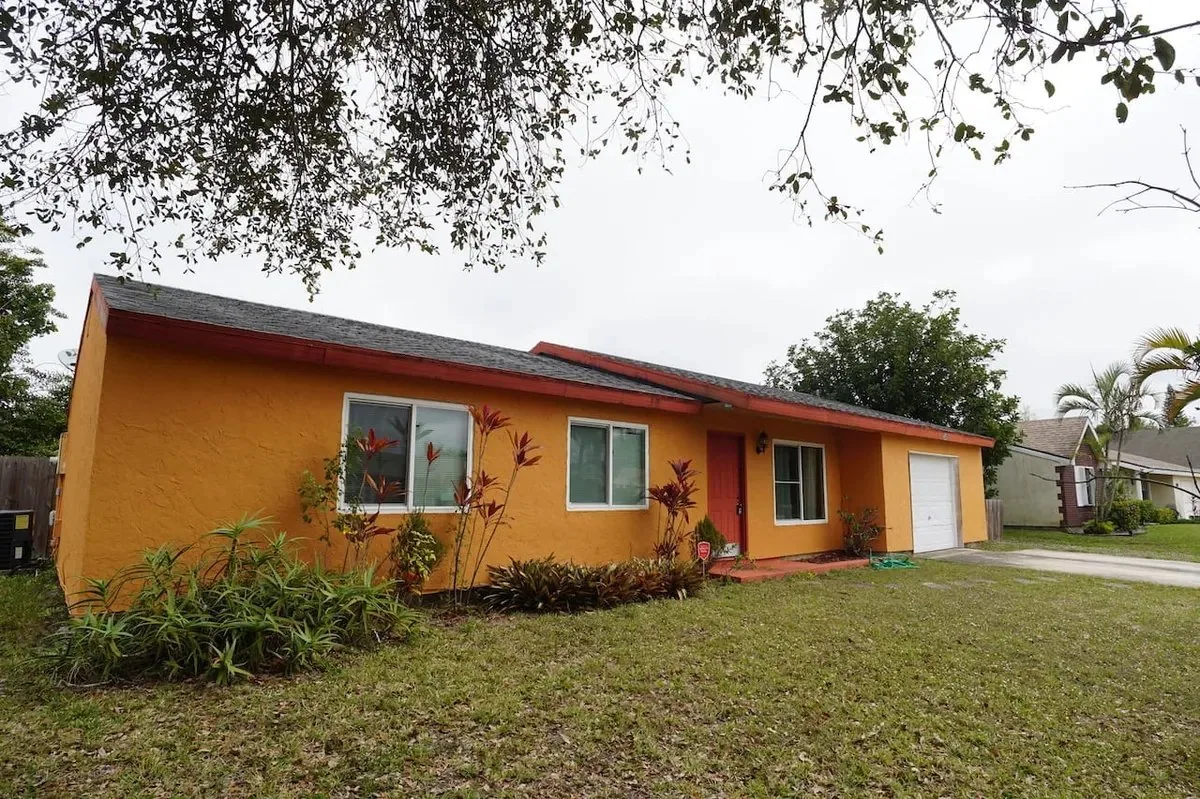
Problem neighbors, neighborhood decline, or safety concerns? If the property is affecting your peace, privacy, or ability to sell normally, we can review the house as-is and give you written cash terms. Closing timing depends on title, payoff, access, and seller documents.
Get My Cash OfferWhen Bad Neighbors Make a Traditional Sale Harder
Your home might be perfect, but the house next door with 6 junk cars in the yard, the neighbor who throws parties until 3 AM, or the abandoned property attracting squatters? That's what buyers see first. And it's killing your property value.
Some traditional buyers walk away when they see neighbor issues during showings. Staging and curb appeal help, but they may not overcome visible problems next door. You cannot control your neighbors, but you can compare whether listing, waiting, or selling directly is the better move.
The Neighbor Problem Nobody Talks About
Problem neighbors can affect buyer confidence and price negotiations. The real cost may also be your quality of life, stress, safety concerns, and the feeling that you are stuck. A cash sale is one option to compare against listing or waiting.
Common Neighbor Issues We See in Florida
Noise & Disturbances
Loud music, barking dogs, constant parties, late-night gatherings. Repeated complaints to code enforcement haven't solved the problem.
Property Neglect
Overgrown yards, junk cars, hoarding, peeling paint. Their property is dragging down your home's value and the entire block's appeal.
Safety Concerns
Drug activity, aggressive behavior, harassment, or criminal activity. You no longer feel safe in your own home or neighborhood.
HOA Nightmares
HOA that won't enforce rules, selective enforcement, or an HOA itself that's become the problem, excessive fines, power trips, or mismanagement.
Neighborhood Decline
Area changing for the worse, rising crime, closed businesses, abandoned properties. What was a great neighborhood 10 years ago no longer feels like home.
Boundary & Property Disputes
Fence disputes, encroachment, easement arguments, or neighbors blocking your driveway. Ongoing legal battles make selling traditionally complicated.
Challenges of Selling When Neighbor Problems Are the Reason
Neighbor issues are hard to price because they are not necessarily visible in photos or comps. A buyer may love the house, then back out after a showing, inspection, disclosure review, or conversation with nearby residents.
Showings Expose the Problem
A noisy dog, visible junk, aggressive neighbor, parking dispute, or nearby code issue can become obvious during showings. That can lead to fewer offers, inspection cancellations, or buyers asking for a discount after they understand the situation.
Disclosure and Documentation Questions
If there are police reports, HOA complaints, code-enforcement records, boundary disputes, lawsuits, or written notices, a normal buyer may want to review them before closing. Some issues do not create a title defect, but they can still change buyer confidence.
Financing Does Not Solve Neighbor Risk
A lender is mostly looking at the borrower, appraisal, insurance, and title. A neighbor problem may not stop the loan directly, but it can still cause the buyer to cancel during inspection, appraisal, or final walkthrough.
Boundary and Easement Issues Need Care
Fence disputes, encroachments, blocked driveways, shared access, and easement arguments are different from ordinary bad-neighbor complaints. Those may need a survey, title review, attorney input, or written agreement before a buyer will close.
The House May Still Be Sellable
A neighbor issue does not automatically mean you need a cash buyer. If the problem is minor, temporary, or fixable through an HOA or code-enforcement process, listing may still produce the best price. A cash sale makes more sense when you need certainty, privacy, fewer showings, or a buyer who understands the risk before signing.
What We Review Before Making an Offer
We look at the house, the visible neighbor issue, any written notices or disputes, title concerns, repairs, and the closing timeline. If the issue needs legal advice, we will tell you to involve an attorney rather than pretending a cash sale fixes everything.
Traditional Sale vs. Cash Sale With Neighbor Problems
The right answer depends on how serious the issue is, whether it is documented, and how much privacy or speed you need.
| Factor | Traditional Sale | Cash Sale to FL Home Buyers |
|---|---|---|
| Timeline | Depends on showings, buyer review, and inspections | Agreed date after title and due diligence |
| Buyer Awareness | Often discovered during showings or inspection | Reviewed before terms are written |
| Privacy | Multiple showings and neighborhood visits | Usually one walkthrough or video review |
| Disputes and Notices | Buyer may ask for documents or cancel | Reviewed as part of due diligence |
| Showings Required | Showings, inspections, and final walkthroughs | Limited visits |
| Close Risk | Buyer can object after learning more | Known issues priced upfront |
| Best Fit | Minor or temporary neighbor problems | Serious, documented, or ongoing issues |
When a Cash Sale Makes Sense
- The problem is ongoing: Repeated noise, harassment, police calls, code complaints, or HOA disputes are not likely to disappear before closing.
- You want fewer showings: A direct buyer can review the issue privately instead of sending many buyers through the property.
- The issue may affect price: If a normal buyer would ask for a discount after learning about the neighbor problem, it is better to account for that upfront.
- You need a clean exit: You want to move without continuing the dispute, waiting on enforcement, or reliving the issue during every showing.
- There are related title concerns: Boundary disputes, easements, liens, or lawsuits need careful review before any buyer closes.
How We Review a House With Neighbor Problems
We do not need a perfect neighborhood story. We need the facts that affect value, risk, and closing.
Explain the Issue
Tell us what is happening, how long it has been going on, and whether there are police reports, HOA complaints, code notices, lawsuits, or written records.
Review the Property
We look at the house, visible neighbor conditions, repairs, access, title concerns, and any issue a normal buyer would likely notice.
Written Terms
You receive written terms after a property review. We explain the valuation, seller costs, title assumptions, and closing timeline so you can compare it against your other options.
Title Company Closing
If you accept, closing runs through a Florida title company. Payoffs, liens, taxes, and title issues are reviewed before money changes hands.
What to Gather Before You Call
You do not need a perfect file. Helpful items include HOA letters, code notices, police report numbers, text or email records, survey documents, attorney letters, photos of visible issues, and any title or boundary paperwork.
Do not confront a neighbor or escalate a dispute just to prepare for a sale. If safety, harassment, violence, or a legal order is involved, talk with the appropriate authorities or an attorney first.
Neighbor Issues That Need Extra Care
Some neighbor problems are annoying. Others affect title, safety, disclosure, or marketability.
Boundary, Fence, and Easement Disputes
If a fence, driveway, shed, pool, or structure crosses a property line, a title company or buyer may ask for a survey, written agreement, or legal cure before closing.
HOA and Condo Association Problems
Selective enforcement, unpaid fines, association liens, and active disputes can affect payoff, estoppel timing, buyer approval, and closing terms.
Safety or Harassment Concerns
A sale can help you leave the situation, but it is not a substitute for legal or safety help. If there are threats, violence, stalking, or restraining-order issues, involve the proper authorities or an attorney.
Nearby Code or Nuisance Issues
Junk vehicles, illegal dumping, abandoned structures, animals, noise, and repeated code problems may not be on your title, but they can still affect buyer demand and price.
When Listing May Still Be Better
If the neighbor problem is minor, resolved, or unlikely to affect a buyer's decision, listing with an agent may produce a higher price. A direct sale is mainly useful when the issue is serious enough that privacy, speed, or certainty matters more than testing the open market.
Questions About Selling Because of Bad Neighbors
Do I have to disclose bad-neighbor problems?
Florida sellers should not hide known facts that materially affect value or desirability. If there are written disputes, legal issues, HOA notices, or safety concerns, discuss disclosure with a Florida real estate attorney or licensed agent.
Can a neighbor dispute stop closing?
Sometimes. Noise or nuisance issues may affect buyer interest but not title. Boundary disputes, easements, lawsuits, liens, or HOA enforcement can create closing issues that need title or legal review.
Will a cash buyer pay less because of neighbor issues?
Possibly. If the issue changes buyer demand, resale risk, title work, or repair scope, it affects the offer. The benefit is that those assumptions are discussed before you sign instead of becoming a surprise after showings.
Should I call code enforcement before selling?
It depends. A public enforcement record may help document the issue, but it can also create delays or conflict. If safety is not urgent, talk with an attorney, agent, or title professional before escalating a dispute solely because you plan to sell.
Can I sell if there is a boundary dispute?
Maybe, but the title company may need a survey, curative documents, settlement agreement, or attorney guidance. Send us what you have and we can tell you what a buyer is likely to ask for.
When is a cash sale not the right answer?
If the neighbor issue is minor, temporary, or already resolved, you may be better off listing. A direct sale is most useful when the issue is ongoing, hard to explain during showings, or tied to legal, HOA, or title concerns.
Want a Private Review of the Situation?
Tell us what is happening with the house and the neighbor issue. We will review the property, explain what affects value or closing, and put any offer terms in writing.
Florida Real Estate Law
Reference: Florida Statutes §689 (Conveyances)
- Florida sellers should disclose known material defects that are not readily observable. Selling as-is can reduce repair negotiations, but it does not remove disclosure duties.
- Florida does not have an individual state income tax, but federal capital-gains rules, documentary stamp tax, prorated property taxes, rental history, and reporting forms can still affect the final number.
- A Florida title company can run the title search, coordinate lien payoffs, issue title insurance when applicable, and record the deed.
- We close with a licensed Florida title company. The settlement statement should show payoffs, prorations, title charges, and seller costs before closing.
Florida selling decisions should be based on the property in front of you: recent nearby comps, repairs, insurance availability, buyer financing, payoff amount, title status, and how long you can carry the house. Use this section as a checklist, then compare a realistic retail net against a written as-is cash offer.
2026 Florida Market & Costs
Before deciding, check current local comparable sales, active inventory, insurance costs, title/payoff numbers, and repair estimates. Market-wide numbers can hide what is happening on your street.
Get Your Cash Offer
Tell us about your home. We'll give you a written cash offer with the price, seller costs, and target closing date in writing.
We Handle This Situation in Every Florida County
See local market data and get a written cash offer in your county: