
Last updated: January 2026
Sell Your House During Bankruptcy in Florida
Last updated: February 2026
Chapter 7, Chapter 13, or considering filing? We work with bankruptcy trustees and courts to purchase your property for cash. We understand the process and move quickly once approvals are in place.
Get My Cash Offer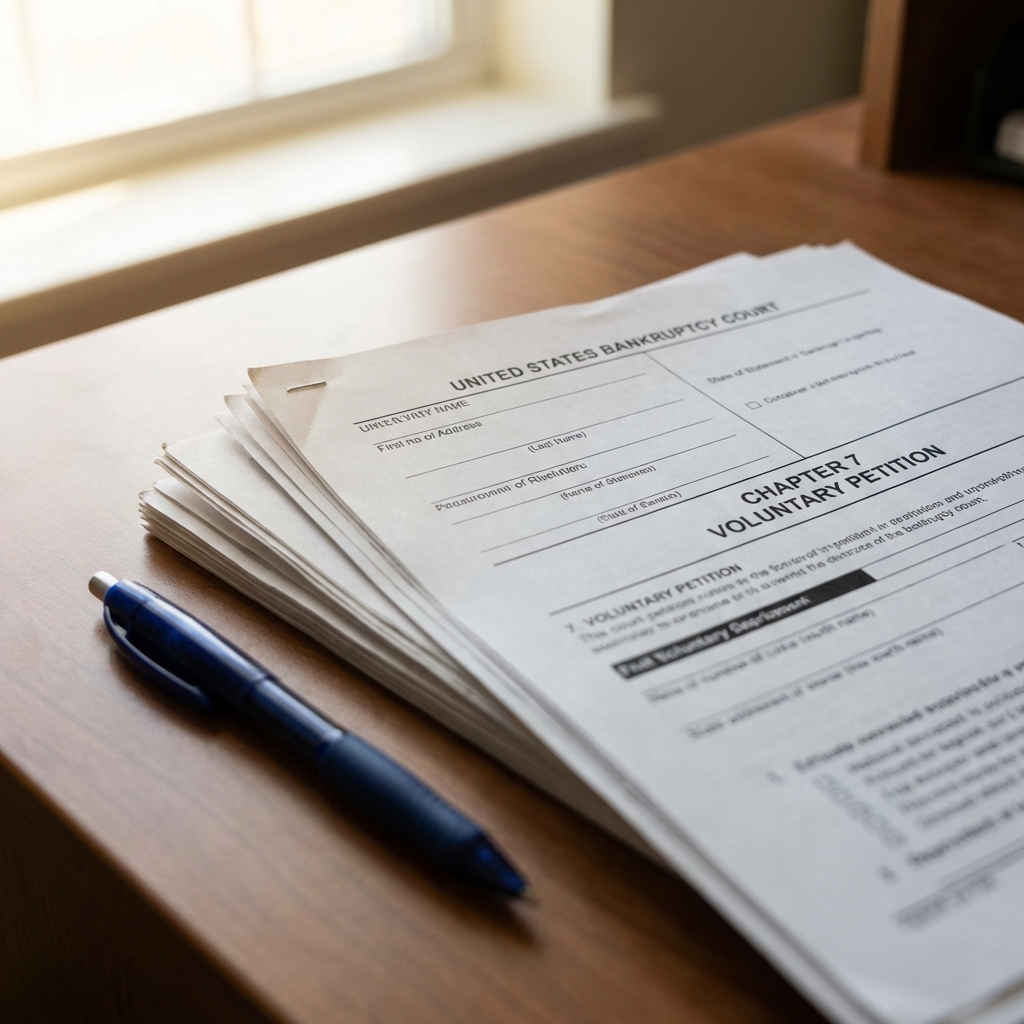
Selling Your Home During Bankruptcy in Florida
When you file for bankruptcy, your assets become part of the "bankruptcy estate" managed by a court-appointed trustee. This includes your real property. Selling your home during an active bankruptcy case is absolutely possible—but it requires following specific procedures and obtaining proper approvals.
At FL Home Buyers, we've purchased many properties from homeowners going through bankruptcy. We understand the process, work cooperatively with trustees, and know how to navigate court requirements. This experience means smooth transactions that benefit everyone involved.
Important: We're Not Lawyers
This information is educational, not legal advice. Bankruptcy law is complex, and every case is different. Always consult with your bankruptcy attorney before making decisions about selling your home during bankruptcy.
Types of Bankruptcy and Home Sales
Chapter 7 Bankruptcy
A "liquidation" bankruptcy where non-exempt assets are sold to pay creditors. In Chapter 7, the trustee controls the sale of non-exempt property, including real estate above your homestead exemption amount.
Timeline: Cases typically last 3-6 months. Home sales require trustee approval and potential court approval for sales over certain thresholds.
Chapter 13 Bankruptcy
A "reorganization" bankruptcy where you keep assets and repay debts over 3-5 years. You typically retain control of your property but need court approval to sell during the plan period.
Timeline: Plans last 3-5 years. Sales require filing a motion and obtaining court approval, which adds time to the process.
Florida Homestead Exemption and Bankruptcy
Florida has one of the most generous homestead exemptions in the nation. Under Florida law, your primary residence is exempt from creditors without any dollar limit on value—as long as the property is 1/2 acre or less in a municipality, or 160 acres or less outside a municipality.
This means in many Chapter 7 cases, your home equity is completely protected and the trustee has no interest in selling it. However, there are important exceptions and limitations:
- 1215-Day Residency Rule: To claim Florida's unlimited homestead exemption, you must have lived in Florida for at least 1,215 days (about 3.3 years) before filing. Otherwise, you're limited to approximately $189,050 (adjusted periodically) in home equity.
- Non-Exempt Equity: If your home equity exceeds your exemption, the trustee may sell the home to realize value for creditors, paying you your exempt amount from proceeds.
- Investment Properties: The homestead exemption only applies to your primary residence. Rental properties and vacation homes are not protected.
- IRS Liens: Federal tax liens are not eliminated by the homestead exemption and remain attached to the property.
- Fraud: If you purchased or improved your home with defrauded funds, the exemption may not apply.
When Your Home Might Be Sold in Chapter 7
Even with Florida's generous exemption, your home might be sold if:
- You have non-exempt equity (moved to Florida within 1,215 days with high equity)
- The property is not your homestead (rental, vacation home)
- You want to sell voluntarily to eliminate mortgage debt you can't afford
- The trustee believes a sale benefits the estate
Strategic Reasons to Sell During Bankruptcy
Sometimes selling during bankruptcy makes strategic sense:
- The home has more debt than value and you want a clean break
- You can't afford the mortgage even after other debts are discharged
- You're relocating and want to close this chapter (literally)
- Selling generates money to fund a Chapter 13 plan
- The property needs repairs you can't afford
The Process of Selling Your Home During Bankruptcy
The exact process depends on your chapter and specific circumstances, but here's a general overview:
Chapter 7 Sale Process
- Trustee Evaluation: The trustee determines if the home has non-exempt equity worth pursuing.
- Marketing the Property: Either you or the trustee works with a buyer. Cash buyers are often preferred because they close faster and more reliably.
- Sale Contract: A purchase agreement is negotiated, contingent on court approval.
- Court Approval: For sales above certain thresholds, the trustee files a motion to sell. Creditors can object within a specified period.
- Closing: Once approved, the sale closes. Proceeds first pay secured creditors (mortgage), then any non-exempt equity goes to the bankruptcy estate.
Chapter 13 Sale Process
- Attorney Consultation: Discuss with your attorney whether selling makes sense for your plan.
- Find a Buyer: You retain more control in Chapter 13 and can work with a buyer directly.
- Motion to Sell: Your attorney files a motion seeking court approval to sell real property.
- Notice Period: Creditors receive notice and have time to object (typically 21-28 days).
- Court Hearing: If no objections, approval may be administrative. If objections exist, a hearing is held.
- Closing: Once approved, the sale closes. Proceeds typically go to pay off secured debt, with any remaining proceeds potentially modifying your plan.
| Factor | Traditional Sale | Cash Sale to FL Home Buyers |
|---|---|---|
| Time After Court Approval | 45-90 days | 7-21 days |
| Financing Contingencies | High risk of fallout | None (cash) |
| Certainty of Close | ~60% | ~95%+ |
| Agent Commissions | 5-6% | 0% |
| Needed Repairs | Often required | None (as-is) |
The Automatic Stay and Real Estate Sales
When you file bankruptcy, an "automatic stay" immediately goes into effect. This powerful protection stops most creditors from taking collection action against you, including foreclosure. However, the automatic stay also means you cannot sell your property without court permission—it freezes your assets along with your debts.
To sell real property during bankruptcy, either you or the trustee must ask the court to "lift the stay" or obtain approval for the sale. This is why having an experienced bankruptcy attorney is essential, and why working with a buyer who understands this process matters.
What the Automatic Stay Does
- Stops foreclosure proceedings immediately upon filing
- Halts collection calls and lawsuits from creditors
- Prevents utility disconnections (temporarily)
- Stops wage garnishments
- Freezes the sale or transfer of estate property—including your home
Florida Bankruptcy Courts
Florida has three federal bankruptcy court districts, each with different judges and local procedures:
Southern District
Covers Miami-Dade, Broward, Palm Beach, Monroe, and nearby counties. Located in Miami, Fort Lauderdale, and West Palm Beach.
Middle District
Covers Orlando, Tampa, Jacksonville, and Central Florida. Divisions in Tampa, Orlando, Jacksonville, and Fort Myers.
Northern District
Covers Pensacola, Tallahassee, Gainesville, and the Panhandle region. Divisions in Pensacola, Tallahassee, and Gainesville.
We've worked with trustees and attorneys in all three Florida districts and understand the local practices that affect property sales during bankruptcy.
Considering Bankruptcy? What to Know About Your Home
If you haven't filed yet but are considering bankruptcy, the decision about what to do with your home is important. Here are key considerations:
Keeping Your Home in Bankruptcy
Many people file bankruptcy specifically to save their home. Chapter 13 allows you to catch up on mortgage arrears over 3-5 years while staying current on ongoing payments. If you have income and want to keep your home, Chapter 13 might be the answer.
Surrendering Your Home in Bankruptcy
If you're underwater or can't afford the payments even after eliminating other debts, surrendering the home through bankruptcy might make sense. In Chapter 7, you can surrender and discharge any deficiency. The foreclosure still happens, but you won't owe anything afterward.
Selling Before Filing
Selling before bankruptcy can make sense in some situations, but timing and pricing matter. Key considerations:
- Fair Market Value: You must sell at fair market value, not to friends or family at a discount.
- Lookback Period: Trustees can review transfers up to 2 years before filing (longer for fraud).
- Use of Proceeds: What you do with sale proceeds affects whether they're protected.
- Documentation: Keep thorough records of the sale price justification.
- Attorney Guidance: Consult a bankruptcy attorney before selling if you might file within 2 years.
Warning: Don't Try to Hide Assets
Never try to transfer property to hide it from bankruptcy. This is fraud. Trustees have significant powers to undo fraudulent transfers, and you can lose your discharge entirely—or face criminal charges. Always be transparent about all assets.
How FL Home Buyers Works with Bankruptcy Cases
We've purchased properties in active bankruptcy cases throughout Florida. We understand the legal requirements and work cooperatively with trustees, attorneys, and the court system. Here's our approach:
Initial Consultation
Tell us about your property and bankruptcy situation. We'll ask about your chapter, case status, and whether you have an attorney and trustee assigned.
Property Evaluation
We visit the property to assess condition and value. This helps us determine a fair offer that will satisfy the trustee and court requirements.
Coordinate with Your Team
We work with your bankruptcy attorney and the trustee to develop a purchase agreement that meets court requirements. We understand the process and won't create complications.
Close After Approval
Once court approval is obtained, we close quickly. We're ready with funds and don't need financing contingencies that could delay or derail the sale.
Real Example: Chapter 7 Sale in Palm Beach County
A homeowner in West Palm Beach filed Chapter 7 after a business failure. The trustee determined there was approximately $40,000 in non-exempt equity in the home and chose to sell it for the benefit of creditors.
Traditional sales were problematic—buyers couldn't get financing on properties in active bankruptcy, and the property needed work. The trustee contacted us for a cash offer.
Result: We made an offer the trustee accepted, obtained court approval in 35 days, and closed 10 days later. The sale generated funds for creditors, the homeowner received their exempt amount, and the bankruptcy case moved forward efficiently.
Frequently Asked Questions About Selling During Bankruptcy
Can you sell your house during bankruptcy in Florida?
Yes, but you need court approval. In Chapter 7, the trustee controls non-exempt property sales. In Chapter 13, you retain more control but still need court approval. Your bankruptcy attorney can guide you through the specific requirements of your case.
What's the difference between Chapter 7 and Chapter 13 home sales?
In Chapter 7, the trustee typically manages the sale of non-exempt property and controls the process. In Chapter 13, you usually retain control of your property but need court permission to sell real estate. The approval process and timeline differ significantly between chapters.
How long does a bankruptcy home sale take?
The court approval process typically takes 30-60 days after the motion is filed. Once approval is granted, we can close within 7-21 days. Total timeline from offer to close is usually 45-90 days depending on court schedules.
Will I get any money from selling my house in bankruptcy?
It depends on your equity, exemptions, and debts. After paying off the mortgage and any other secured debts, your exempt amount (protected by Florida's homestead exemption) goes to you. Any non-exempt equity goes to the bankruptcy estate for creditors.
Do you work with bankruptcy trustees?
Yes. We regularly work with Chapter 7 and Chapter 13 trustees in federal bankruptcy courts throughout Florida. We understand trustee requirements, provide the documentation they need, and close reliably once approval is obtained.
Can I sell my house before filing bankruptcy?
Possibly, but be careful. Sales within 2 years of filing are scrutinized for fraudulent transfers. If you sell for less than fair market value or to hide assets, the trustee can potentially undo the sale. Consult a bankruptcy attorney before selling if you're considering filing.
Why do trustees prefer cash buyers?
Cash buyers close faster and more reliably. There's no financing contingency that could cause the sale to fall through. Trustees want certainty—they need to know the sale will close so they can make distributions to creditors and close the case.
Selling Your House During Bankruptcy in Florida
- Florida has one of the most generous homestead exemptions in the country — unlimited value if you've lived there 1,215+ days.
- Under Chapter 7, the trustee may sell non-exempt assets. Under Chapter 13, you keep assets and follow a repayment plan.
- Sales during bankruptcy require court approval via a motion to sell. We work with your bankruptcy attorney to get this approved.
- Florida saw 42,000+ bankruptcy filings in 2025, up 12% from 2024 (U.S. Bankruptcy Courts data).
- The automatic stay (11 U.S.C. §362) stops foreclosure, but selling voluntarily may be in your best interest.
Legal Questions Specific to Your Situation
Can I sell my house during Chapter 7 bankruptcy?
Yes, but you need court approval. The bankruptcy trustee must file a motion to sell. Because Florida's homestead exemption is so generous (unlimited value if you qualify), the trustee may allow you to sell and keep a significant portion of the proceeds.
Does the homestead exemption protect my house in bankruptcy?
Florida's homestead exemption under Article X, §4 of the Florida Constitution protects your primary residence from creditors with unlimited value — but you must have owned it for at least 1,215 days (about 3.3 years) to get full protection under federal bankruptcy law.
Get Your Cash Offer Today
Going through bankruptcy doesn't mean you're stuck. Get a no-obligation cash offer and we'll work with your trustee and attorney to make the sale happen.
Get Your Cash Offer
Tell us about your property and bankruptcy situation. We'll give you a fair cash offer and explain the process.
Related Resources
We Handle This Situation in Every Florida County
See local market data and get a fair cash offer in your county: