
Content reviewed: October 10, 2026
Sell Your Florida Home to Pay for Medical Bills or Assisted Living
Content reviewed: October 10, 2026
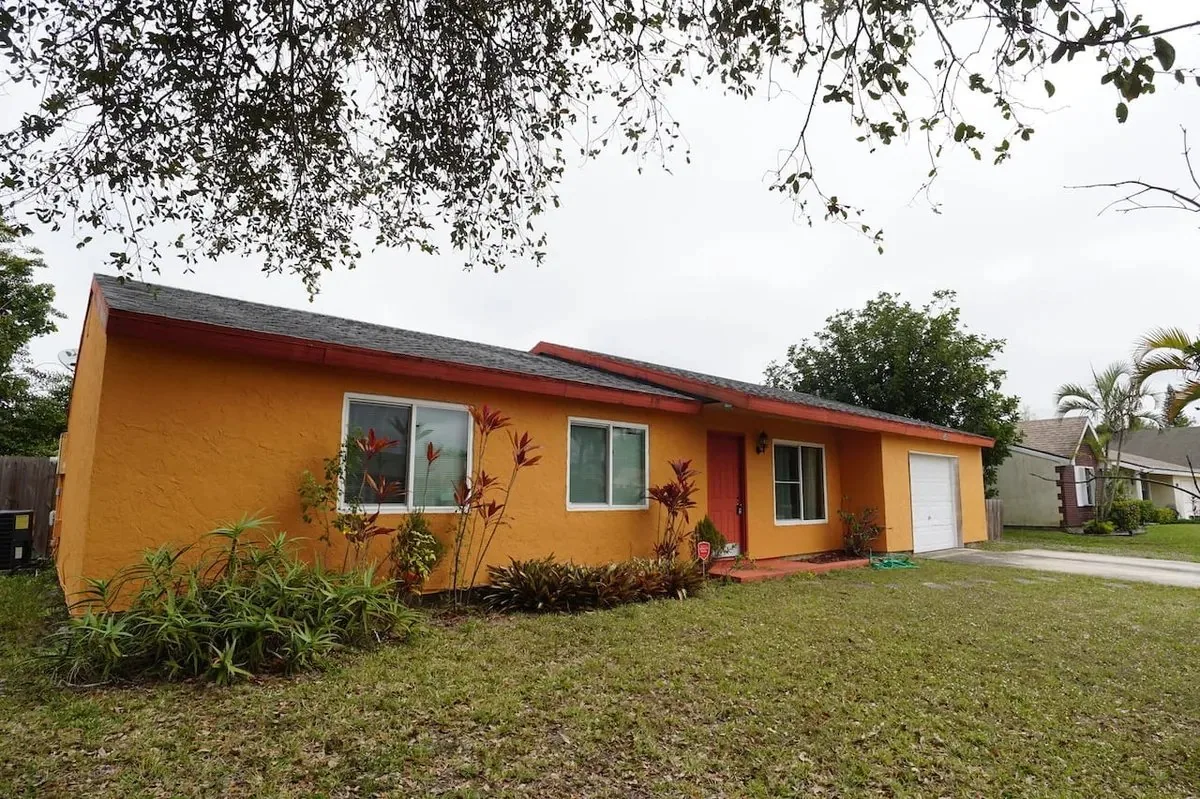
Facing medical bills, assisted living costs, or a memory care transition? We buy Florida homes as-is for cash after reviewing title, payoff, authority, belongings, and seller-cost assumptions. The goal is a clear written offer your family can compare against listing, renting, or holding the property.
Get My Cash OfferSeparate the Care Plan From the House Decision
Start with a written quote from the care provider. Ask what the base rate includes, what services cost extra, when payments are due, and what happens if the level of care changes. Compare that budget with income, savings, insurance, potential benefits, and help the family can reliably provide.
Selling the home is one possible source of funds. Keeping it, renting it, listing it with an agent, or arranging a direct as-is sale can have different costs and consequences. The right choice depends on the owner’s wishes, care needs, finances, and who has legal authority to act.
Medicare usually does not cover custodial long-term care. Medicaid and private coverage have separate eligibility and coverage rules. Review the government overview of long-term care funding and confirm the actual coverage available before committing sale proceeds to a care plan.
Before Selling a Home Connected to Medicaid Planning
Do not assume Medicaid requires you to sell the house. Florida’s rules can treat a home differently from cash, and the treatment depends on the program and household circumstances. A sale, gift, below-market transfer, or change in ownership can affect eligibility.
Before signing, ask a Florida elder-law attorney to review the proposed price, ownership, spouse or other occupants, timing, and use of proceeds. Ask whether the home is currently excluded, how sale proceeds would be treated, and what records must be kept.
Start with Florida DCF’s Medicaid information. DCF’s asset policy manual describes home and transfer rules; applying them to a particular family requires an individual review. We provide property purchase terms, not a Medicaid eligibility determination.
Choose a Sale Approach Around the Family’s Needs
Listing with an agent
A listing exposes the home to more potential buyers and may produce a higher price. Discuss an as-is listing if repairs are unaffordable. Ask the agent what preparation is worthwhile, how access and showings would work, and what costs and timing assumptions are in the estimated net.
A direct as-is sale
A direct buyer may simplify showings, repair work, and cleanup. Compare the written offer after seller costs and debt payoffs. A cash offer still depends on buyer funds, title, signing authority, access, and the agreed conditions; it is not a guaranteed care-funding date.
Keeping or renting the home
Work through insurance, maintenance, management, vacancy, and any loan or association restrictions. Ask your benefits adviser how ownership and rental income would affect the care plan before choosing this route.
If a care payment is due soon
Tell the provider what stage the sale is actually in and ask what payment arrangements are available. Confirm the closing agent’s expected disbursement timing before promising a deposit from sale proceeds.
Confirm Who Can Sign and Who Can Receive Information
Being an adult child or helping with bills does not by itself authorize a home sale. The owner may be able to sign, or the closing agent may need to review a power of attorney, trust, guardianship, or estate documents with counsel.
- Owner participating: Confirm their wishes, ability to participate, identification, and preferred way to communicate.
- Power of attorney: Provide the document for review early. Do not assume every power of attorney permits the transaction or that every remote signing arrangement is acceptable.
- Trust or estate: Identify the trustee or personal representative and the documents establishing authority.
- Family coordination: Agree on a contact person and who the owner or authorized representative permits us to include. Keep medical and financial records private unless the appropriate professional needs them.
A Practical Checklist Before Requesting an Offer
- Write down the care payment deadline and the move or possession date you need.
- Gather the deed or ownership information, mortgage statement, association information, and known title notices.
- Arrange property access and identify major known repairs. You can request an offer without renovating first.
- Separate valuables, personal documents, medications, firearms, and keepsakes from items that might remain.
- Ask for the price, seller costs, cleanup terms, target date, and conditions in writing.
- Review the draft closing statement with the closing agent, and review benefit or tax consequences with the appropriate adviser.
Our pricing explanation shows what goes into an as-is offer. Our published property examples provide documented proof without relying on a family’s private medical history.
Questions About Selling for Care or Medical Expenses
Do I have to sell my home to qualify for Medicaid?
Do not assume so. The treatment of a home and sale proceeds depends on the program and your circumstances. Have a Florida elder-law attorney review eligibility, ownership, and the proposed transaction before you sign.
Can an adult child sell a parent’s house?
Only with the appropriate legal authority. The owner, title company, and counsel should confirm who can sign and what documents are required. Family involvement alone does not establish that authority.
Do I have to empty or renovate the house first?
You can request an offer before a renovation or full cleanout. Identify what the family will take and ask for written terms covering any belongings, cleanup, and seller costs.
Can we coordinate from another state?
Property access and communication may be coordinated remotely. The closing agent must confirm whether the proposed signing method and any power of attorney meet the requirements for this transaction.
Can the owner remain after closing?
Ask before accepting an offer. Any occupancy after closing needs a written agreement covering dates, costs, insurance, and responsibilities. Do not assume it is included.
How much of the sale price will be available for care?
The price is not the amount available to spend. Review mortgage and lien payoffs, seller costs, prorations, moving expenses, and any tax or benefit consequences before building the care budget around the proceeds.
Request Written Terms for the House
Tell us about the property, the person authorized to act, and the timing your family is considering. You can review the offer with your family and advisers before deciding.
Sources reviewed October 10, 2026: Medicare long-term care coverage, Administration for Community Living funding overview, and Florida DCF Medicaid information.
Florida selling decisions should be based on the property in front of you: recent nearby comps, repairs, insurance availability, buyer financing, payoff amount, title status, and how long you can carry the house. Use this section as a checklist, then compare a realistic retail net against a written as-is cash offer.
2026 Florida Market & Costs
Before deciding, check current local comparable sales, active inventory, insurance costs, title/payoff numbers, and repair estimates. Market-wide numbers can hide what is happening on your street.
Get Your Cash Offer
Tell us about your home. We'll give you a written cash offer with the price, seller costs, and target closing date in writing.
We Handle This Situation in Every Florida County
See local market data and get a written cash offer in your county: